


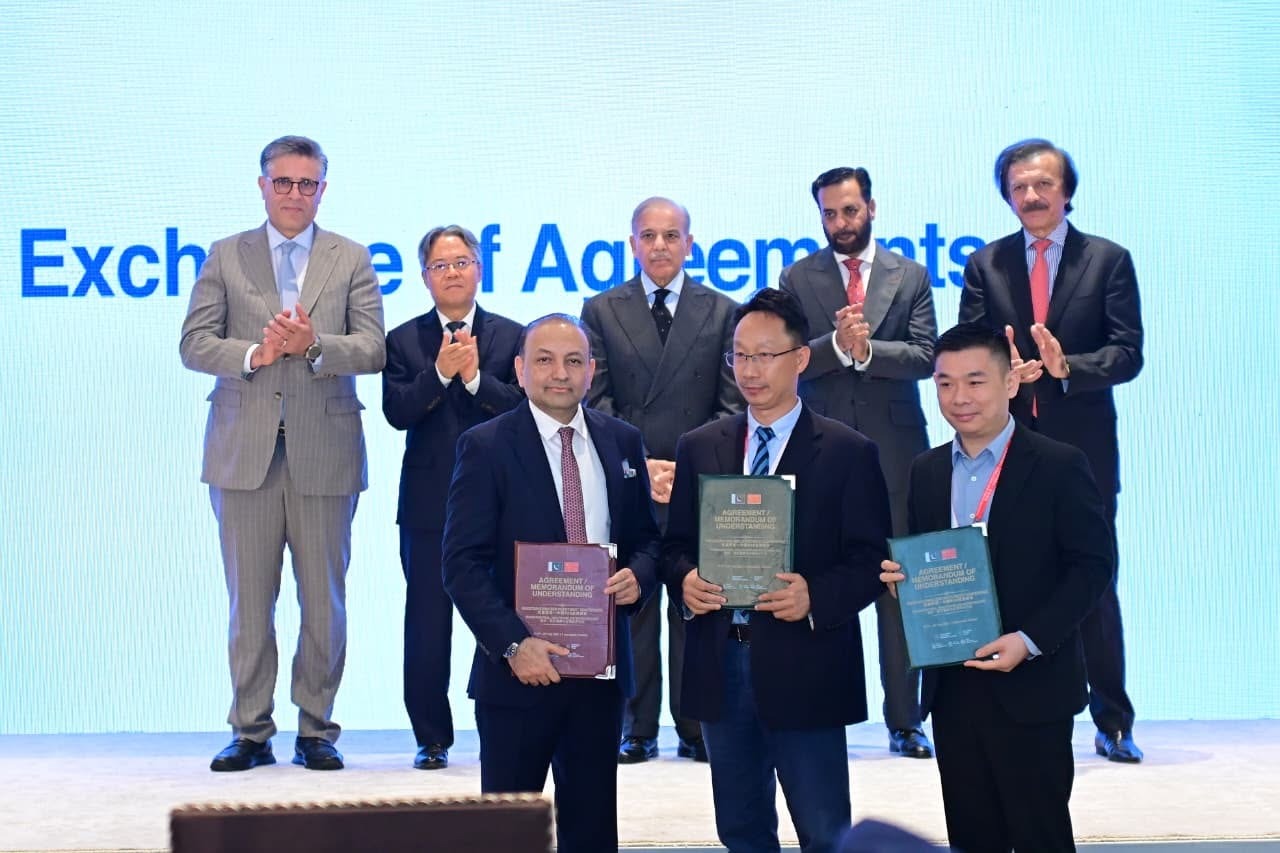
Pakistan brings together around 180 delegates representing nearly 160 Chinese pharmaceutical and healthcare companies.
ISLAMABAD: Pakistan and China have opened a new chapter in their strategic partnership as the Pakistan–China Pharmaceutical & Healthcare B2B Investment Conference 2026 concluded in Islamabad with landmark investment commitments, business agreements, and a shared vision to transform Pakistan into a regional pharmaceutical and healthcare manufacturing hub.
The conference marked one of the largest bilateral healthcare investment events ever held between the two countries, bringing together around 180 delegates representing nearly 160 Chinese pharmaceutical and healthcare companies alongside more than 340 Pakistani enterprises from the pharmaceutical, biotechnology, medical devices, diagnostics, and healthcare sectors.
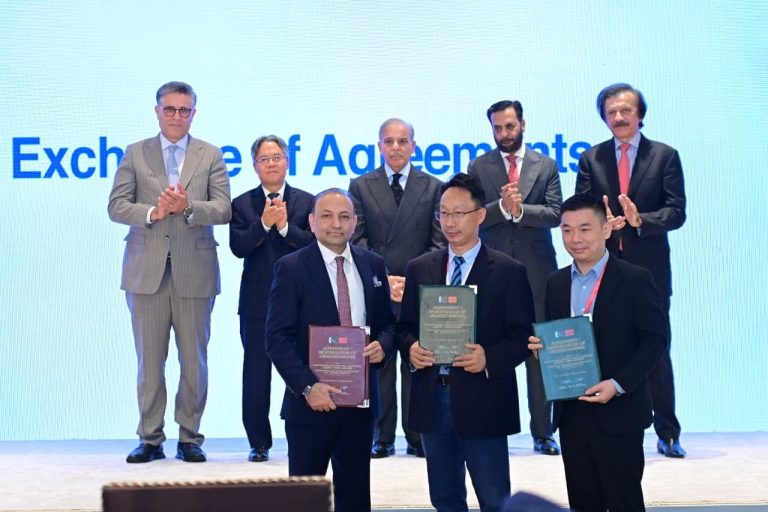
The event concluded with 16 commercial agreements, approximately 80 Memorandums of Understanding (MoUs), and investment commitments valued at around US$850 million, signaling growing confidence among Chinese investors in Pakistan’s healthcare industry and highlighting healthcare as a strategic pillar of China–Pakistan Economic Corridor (CPEC) Phase II.
A New Phase of Pakistan–China Cooperation
For more than a decade, CPEC has transformed Pakistan’s infrastructure through highways, energy projects, Gwadar Port development, and industrial connectivity. The outcomes of the 2026 Pharmaceutical & Healthcare B2B Investment Conference demonstrate that bilateral cooperation is now entering a more knowledge-intensive and technology-driven phase.
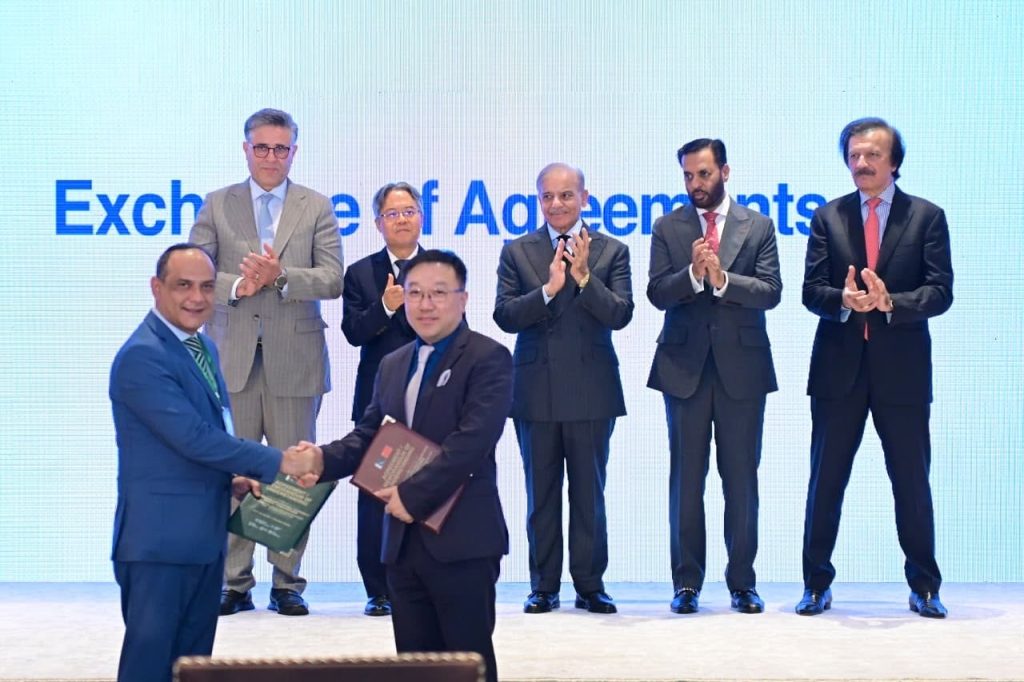
Pakistani participants included pharmaceutical manufacturers, biotechnology companies, hospitals, research institutions, investors, exporters, distributors, and healthcare innovators.
The extensive participation reflected growing confidence in Pakistan’s pharmaceutical sector and its long-term investment potential.
Key Outcomes of the Conference
Among the most significant achievements were:
• 16 commercial agreements signed
• Around 80 MoUs concluded
• Approximately US$850 million in expected investment
• New pharmaceutical manufacturing partnerships
• API production projects
• Vaccine manufacturing cooperation
• Medical device production initiatives
• Joint biotechnology ventures
• Research collaborations
• Technology transfer agreements
• Market access cooperation
• Export partnerships
Industry representatives indicated that several investment projects could begin implementation within the next two years, subject to regulatory approvals.
Healthcare: The New Frontier of CPEC 2.0
The conference clearly demonstrated that healthcare is becoming one of the defining sectors of CPEC Phase II.
While the first phase of CPEC concentrated on physical infrastructure, the second phase emphasizes industrial cooperation, innovation, advanced manufacturing, agriculture, digital economy, green development, and healthcare.
Healthcare cooperation under CPEC 2.0 is expected to include:
• Local pharmaceutical manufacturing
• API localization
• Vaccine production
• Biotechnology research
• Medical device manufacturing
• AI-powered healthcare
• Telemedicine
• Smart hospitals
• Clinical research
• Regulatory cooperation
• Human resource development
• Pharmaceutical exports
Together, these initiatives align with China’s broader vision of the Health Silk Road, which promotes international collaboration in public health, medical innovation, and healthcare resilience.
Why API Manufacturing Matters
Pakistan currently produces the majority of its finished medicines domestically but remains heavily dependent on imported Active Pharmaceutical Ingredients (APIs).
This dependence increases production costs and exposes the healthcare sector to global supply-chain disruptions.
Chinese investment in API manufacturing can help:
• Reduce import dependence
• Improve medicine affordability
• Enhance pharmaceutical security
• Strengthen industrial competitiveness
• Increase export capacity
• Create skilled employment
Localization of API production is widely regarded as one of Pakistan’s most important industrial priorities.
Technology Transfer and Innovation
Beyond investment, one of the conference’s greatest long-term benefits lies in technology transfer.
Chinese pharmaceutical companies possess advanced expertise in:
• Biotechnology
• Vaccine development
• Precision manufacturing
• Pharmaceutical automation
• Quality assurance
• Medical equipment
• AI-assisted drug discovery
• Digital health systems
Partnerships with Pakistani companies can accelerate modernization of the country’s pharmaceutical industry while enhancing international competitiveness.
Opportunities for Pakistani Companies
The conference created significant opportunities for Pakistani businesses.
Potential benefits include:
• Joint ventures with Chinese manufacturers
• Access to modern production technologies
• Entry into Chinese markets
• Export diversification
• Research collaboration
• Workforce training
• Improved regulatory compliance
• Increased foreign direct investment
These developments can strengthen Pakistan’s pharmaceutical ecosystem while improving integration into regional value chains.
Supporting Pakistan’s Healthcare Security
The COVID-19 pandemic demonstrated the importance of resilient domestic pharmaceutical and vaccine production.
The new Pakistan–China healthcare partnership supports national health security by promoting local production of:
• Essential medicines
• Vaccines
• Diagnostic products
• Medical devices
• Emergency healthcare supplies
Greater domestic manufacturing capacity will help Pakistan respond more effectively to future public health emergencies.
Employment and Industrial Growth
Investment commitments announced during the conference are expected to generate thousands of skilled employment opportunities.
Growth areas include:
• Pharmaceutical engineering
• Biomedical sciences
• Biotechnology
• Research laboratories
• Clinical trials
• Manufacturing
• Quality assurance
• Healthcare logistics
• Medical technology
• Regulatory affairs
Gateway to Regional Markets
Pakistan’s strategic geographic location offers Chinese investors an attractive manufacturing base serving multiple regions.
Products manufactured through Pakistan–China joint ventures could potentially reach markets across:
• South Asia
• Central Asia
• West Asia
• The Middle East
• Africa
Combined with preferential trade arrangements and improving logistics infrastructure under CPEC, Pakistan could become an important regional pharmaceutical export platform.
Strengthening the Health Silk Road
Healthcare cooperation also contributes to the broader vision of the Health Silk Road, an important component of Belt and Road cooperation focused on:
• Public health collaboration
• Medical innovation
• Healthcare infrastructure
• Disease prevention
• Pharmaceutical cooperation
• Medical education
• Digital health
• Emergency preparedness
Pakistan’s growing role within this framework could position the country as a leading healthcare partner for the Global South.
Challenges Ahead
While the conference achieved significant progress, successful implementation will require continued efforts to:
• Streamline regulatory approvals.
• Improve ease of doing business.
• Strengthen intellectual property protection.
• Expand industrial infrastructure.
• Enhance pharmaceutical quality standards.
• Develop specialized human resources.
• Ensure consistent policy support.
• Facilitate financing for industrial projects.
Effective coordination between government agencies and the private sector will be essential to convert signed agreements into operational investments.
Strategic Significance
The conference represents far more than a business networking event.
It signals a strategic evolution of Pakistan–China cooperation from infrastructure-led development toward innovation-driven industrial partnerships.
Healthcare has emerged as one of the most promising sectors capable of delivering economic growth, technological advancement, healthcare resilience, export expansion, and sustainable development.
As CPEC enters its second phase, pharmaceuticals and healthcare are poised to become flagship sectors alongside digital economy, green energy, agriculture, and advanced manufacturing.
Looking Ahead
The Pakistan–China Pharmaceutical & Healthcare B2B Investment Conference 2026 has laid a strong foundation for long-term cooperation in one of the world’s fastest-growing industries.
If the announced investments are implemented successfully, Pakistan could significantly reduce dependence on imported pharmaceutical raw materials, attract advanced manufacturing technologies, expand exports, strengthen healthcare security, and create thousands of high-value jobs.
More importantly, the conference demonstrates that healthcare is becoming a new frontier of cooperation under CPEC 2.0, reflecting the evolving priorities of both nations as they work together to build resilient industries, promote innovation, and improve the well-being of their peoples.
With investment commitments, technology partnerships, research collaboration, and expanding market access, the conference may well be remembered as the moment when Pakistan and China began shaping the next generation of their strategic partnership—one centered not only on connectivity and infrastructure, but also on health, innovation, and shared prosperity.
The expansion of these industries will also encourage collaboration between universities, research institutes, and the private sector.
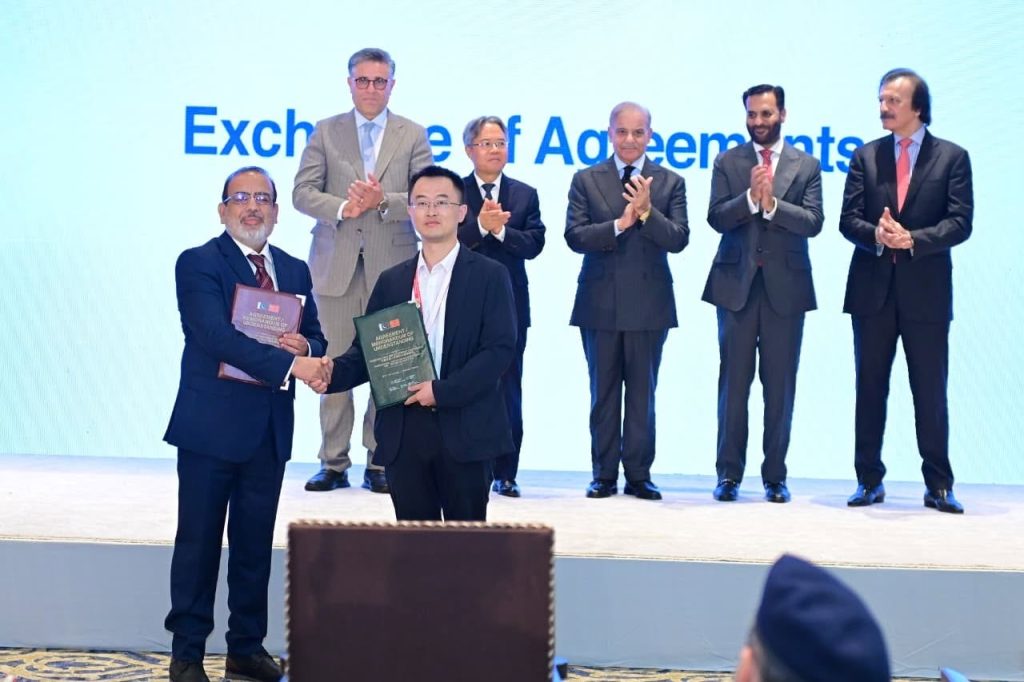
Healthcare, pharmaceuticals, biotechnology, vaccines, medical devices, artificial intelligence in healthcare, and biomedical research are emerging as new engines of economic cooperation.
This transition reflects both countries’ commitment to industrial modernization, supply chain resilience, innovation, and sustainable development while strengthening healthcare security across the region.
Prime Minister Shehbaz Sharif: CPEC 2.0 Expands into Healthcare
Addressing the conference, Prime Minister Shehbaz Sharif described the event as another milestone in the Pakistan–China All-Weather Strategic Cooperative Partnership and emphasized that healthcare and pharmaceutical manufacturing have become priority sectors under CPEC 2.0.
The Prime Minister welcomed the strong participation of Chinese enterprises and said the agreements signed during the conference would promote industrial cooperation, technology transfer, pharmaceutical manufacturing, vaccine production, and research partnerships.
He noted that Pakistan possesses enormous potential to become a regional center for pharmaceutical production and stressed that collaboration with Chinese companies would strengthen local manufacturing capabilities, improve healthcare services, and expand exports.
The Prime Minister also reaffirmed Pakistan’s unwavering commitment to protecting Chinese nationals working in the country, stating that their security remains a top national priority.
Chinese Ambassador Jiang Zaidong: Expanding Industrial Partnership
Chinese Ambassador Jiang Zaidong reaffirmed China’s commitment to expanding bilateral investment and industrial cooperation.
He said the Chinese Embassy would continue facilitating partnerships between enterprises from both countries and expressed confidence that business collaboration in pharmaceuticals and healthcare would inject new momentum into bilateral economic relations.
Ambassador Jiang highlighted China’s growing openness to Pakistani pharmaceutical products, noting that dozens of Pakistani medicines have already entered the Chinese market. He encouraged Pakistani manufacturers to further improve quality standards and expand exports to China and other Belt and Road partner countries.
Record Business Participation
The conference demonstrated unprecedented private-sector engagement.
Chinese companies represented sectors including:
• Pharmaceutical manufacturing
• Active Pharmaceutical Ingredients (APIs)
• Biotechnology
• Vaccines
• Medical equipment
• Hospital technologies
• Digital healthcare
• Diagnostics
• Research and development
• Healthcare logistics
About the Author