


Mongolia welcomes the UNCCD Silk Road Caravan after its 6,000-km journey across Eurasia, bringing rangeland restoration and pastoralist voices to COP17.
Mongolia welcomes the UNCCD Silk Road Caravan after its 6,000-km journey across Eurasia, bringing rangeland restoration and pastoralist voices to COP17.
UNCCD lauanches Intitiative, showcasing the Historic Silk Road for building a Green Silk Road
By Muhammad Arif, Editor NSN.Asia
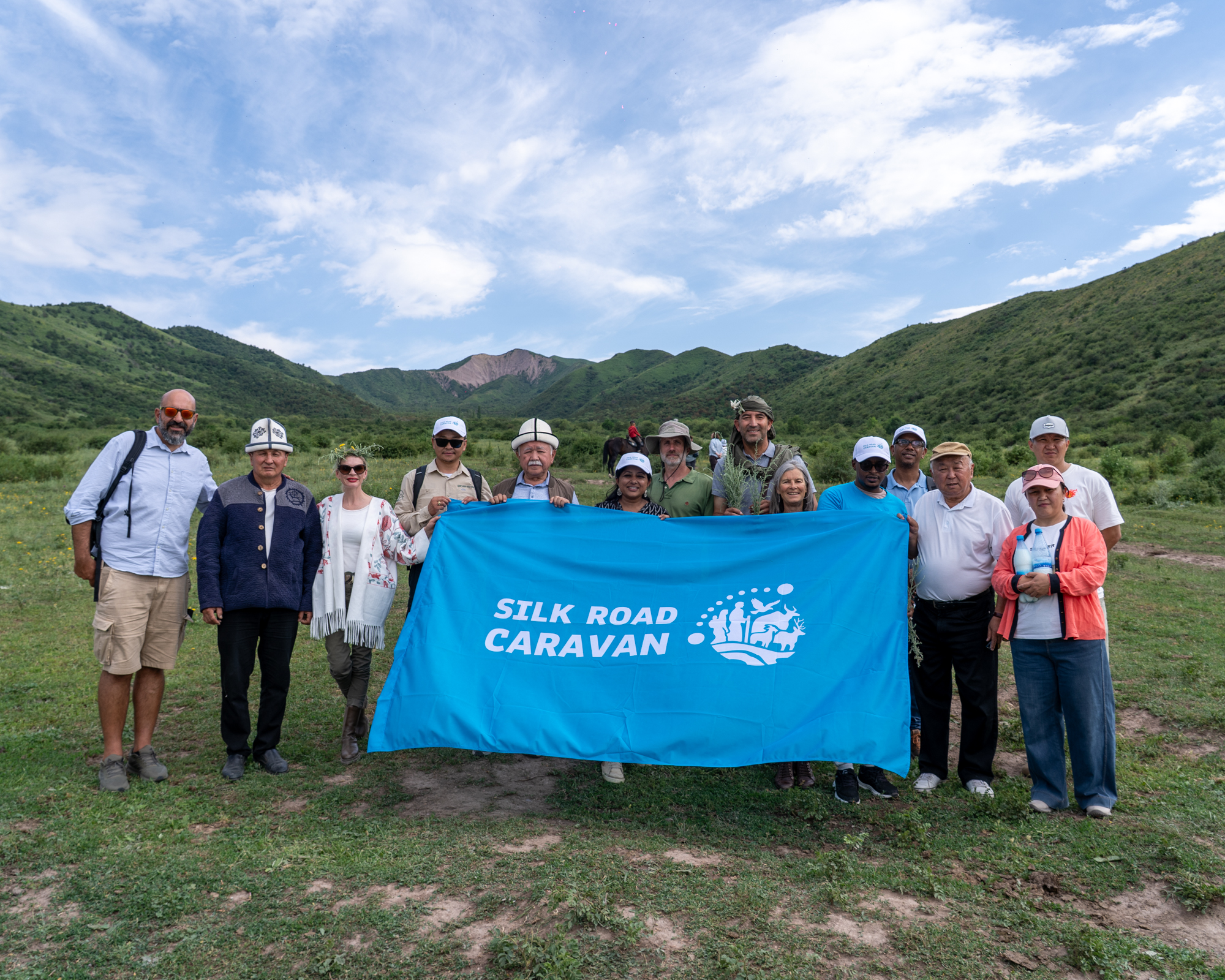
ULAANBAATAR, Mongolia — The Silk Road Caravan has entered Mongolia on the final stage of a more than 6,000-kilometre journey across Eurasia, carrying a message of land restoration, sustainable rangeland management and stronger cooperation ahead of the United Nations Convention to Combat Desertification (UNCCD) COP17 in Ulaanbaatar.
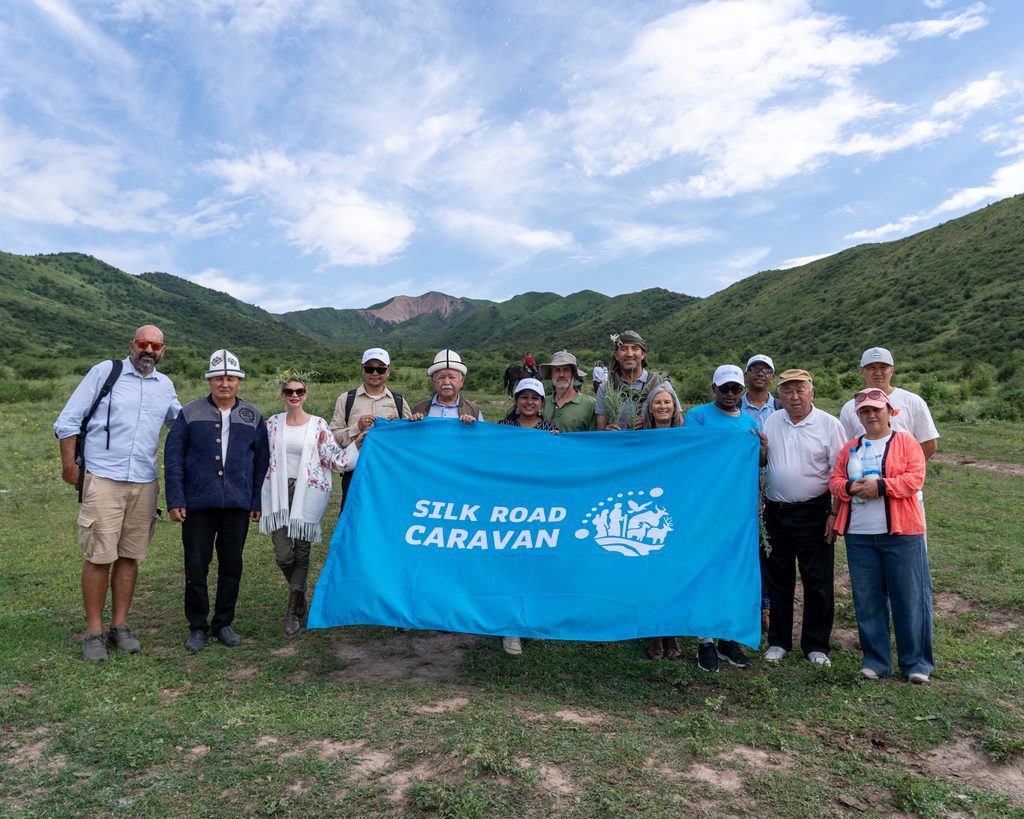
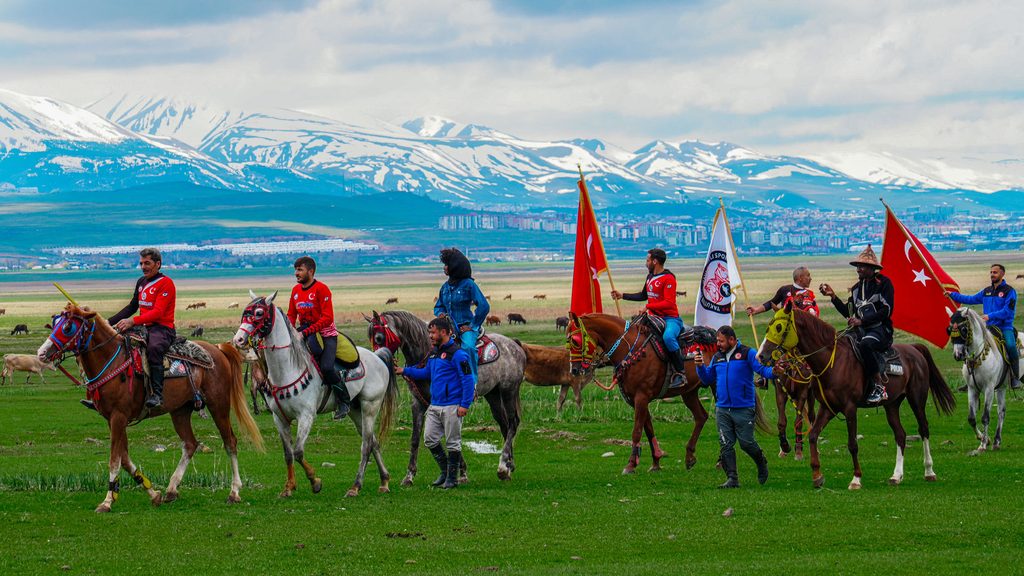
The Caravan, a flagship UNCCD outreach initiative supporting the International Year of Rangelands and Pastoralists 2026, has connected pastoralists, researchers, policymakers, young people and local communities across some of Eurasia’s most important dryland landscapes.
Its arrival in Mongolia gives added significance to a journey designed to revive the historic spirit of the Silk Road—not simply as a route for trade, but as a corridor for exchanging knowledge, culture and practical solutions.
The UNCCD says the Caravan reached the 6,000-kilometre milestone in northern China on 17 July, exactly one month before COP17 opened in Ulaanbaatar. From there, the journey continued into Mongolia, where participants are exploring rangelands, restoration projects and pastoral communities before bringing their experiences into the global negotiations.
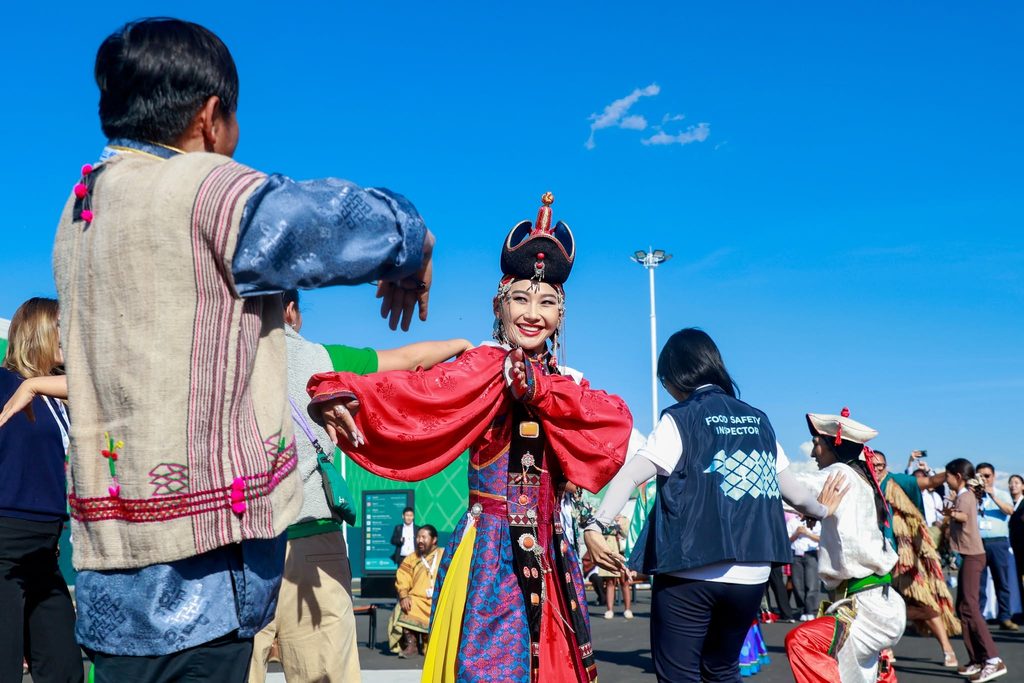
From the Historic Silk Road to a Green Silk Road
For centuries, the Silk Road connected civilizations across Asia and Europe, facilitating the movement of goods, ideas, technologies and cultures. The modern Silk Road Caravan seeks to give that legacy a new environmental dimension.
Instead of transporting silk and commodities, the Caravan is carrying stories of restoration, pastoral knowledge and community-led approaches to land degradation.
The journey began in Türkiye in May 2026 and travelled through the Russian Federation, Uzbekistan, Kazakhstan, Kyrgyzstan and China before reaching Mongolia. Participants have visited restoration sites and met communities working to protect rangelands and maintain livelihoods under increasing pressure from drought, erosion and land degradation.
The message emerging from the journey is that restoring degraded land cannot be separated from the economic and social wellbeing of the people who depend on it.
UNCCD Executive Secretary Dr. Yasmine Fouad has emphasized that people are at the heart of restoration and that there is no single pathway to restoring degraded landscapes. The experiences gathered along the Caravan are intended to help translate local knowledge into stronger international cooperation and investment.
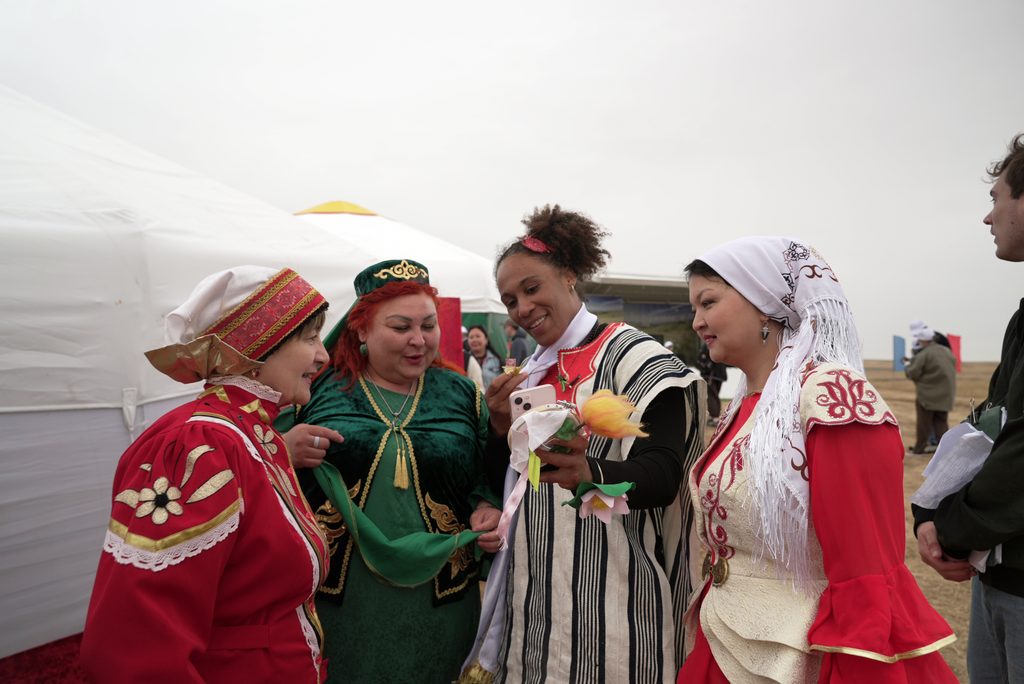
Why Rangelands Matter
Rangelands cover more than half of the Earth’s land surface and support around two billion people. They also provide nearly 70 percent of global livestock feed. Yet up to half of the world’s rangelands are degraded or at risk, threatening biodiversity, food production, carbon storage and rural livelihoods.
This makes rangeland restoration one of the central environmental and development challenges facing dryland countries.
The issue is particularly important for Mongolia. Rangelands cover roughly 70 percent of Mongolia’s territory and support the livelihoods of approximately one-third of its population. At the same time, nearly 77 percent of Mongolia’s land is affected by degradation, underlining the scale of the challenge confronting the country.
For Mongolia, therefore, the arrival of the Silk Road Caravan is more than a symbolic event. It brings international attention to an ecosystem that lies at the centre of the country’s pastoral economy, nomadic heritage and environmental future.
Lessons from Across Eurasia
One of the strongest features of the Silk Road Caravan has been its focus on practical solutions.
In China’s Otindag Sandy Land, participants observed the use of willow branches woven into grids to stabilize shifting dunes and allow grasses to establish. Restoration efforts are supported by monitoring, appropriate livestock numbers and incentives for local communities.
In Türkiye, seasonal pastoral mobility helps distribute grazing pressure and allows pastures to recover. In Russia’s Kalmykia region, drought- and desertification-resistant vegetation has been used to stabilize shifting sands and gradually restore productive pasture.
Uzbekistan has demonstrated how restoration can be linked to rural income. In Nurabad District, drought-tolerant pistachio trees are being established on degraded pastures while local residents receive payments for planting and maintenance.
Kazakhstan has demonstrated the growing importance of science and technology, integrating soil surveys, satellite imagery, GPS and digital agricultural mapping to monitor pasture conditions and identify early signs of degradation.
In Kyrgyzstan, the Caravan highlighted the importance of culture and intergenerational knowledge, bringing young people and elders together around pastoral traditions and sustainable land management.
Together, these examples point toward a common lesson: restoration succeeds when communities have the authority, incentives, knowledge and economic opportunities necessary to protect their land.
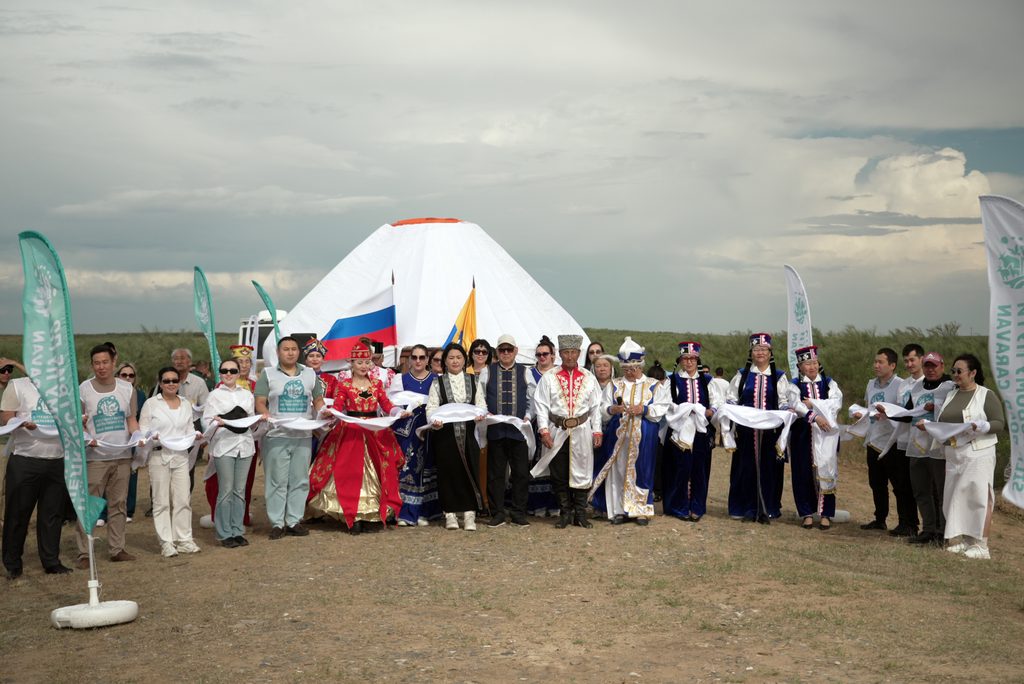
COP17 Puts Land Restoration at the Centre
The experiences gathered by the Caravan arrive in Ulaanbaatar at a critical moment for international environmental policy.
UNCCD COP17 is being held in Ulaanbaatar from 17 to 28 August 2026 under the theme “Restoring Land, Restoring Hope.” The conference brings governments, scientists, Indigenous Peoples, pastoralists, civil society, businesses and international organizations together to advance action on land restoration, drought resilience, water, rangelands and food systems.
The conference is also taking place during the International Year of Rangelands and Pastoralists, giving Mongolia a particularly important platform to elevate pastoral communities and rangeland ecosystems in global policy discussions.
At COP16 in Riyadh, countries adopted the UNCCD’s first decision specifically devoted to rangelands, calling for stronger policies and investment, action against conversion and overexploitation, and greater participation of pastoralists in land-management and tenure decisions.
COP17 now offers an opportunity to move from recognition toward implementation.
A New Vision for the Silk Road
The Silk Road Caravan also raises a broader question: What should the Silk Road mean in the 21st century?
The historic Silk Road connected markets and civilizations. A modern Green Silk Road could connect countries around restoration, renewable energy, climate resilience, sustainable agriculture, water security, biodiversity and low-carbon development.
Such a vision would complement existing connectivity across Eurasia by placing environmental sustainability and community resilience alongside trade and infrastructure.
The Caravan demonstrates that environmental cooperation can itself become a form of connectivity. A successful restoration technique developed in China can inform communities elsewhere. Pastoral knowledge from Mongolia can inspire policies in another dryland region. Digital land-monitoring systems developed in Kazakhstan can support better decision-making across borders.
This is the potential of a Green Silk Road: connecting landscapes, communities and knowledge for a more resilient Eurasia.
Conclusion: Turning a Caravan into a Movement
The Silk Road Caravan’s arrival in Mongolia marks the end of one journey—but potentially the beginning of a much larger one.
Its 6,000-kilometre route has demonstrated that land degradation, desertification and drought do not stop at national borders. Nor should solutions.
As UNCCD COP17 brings the international community together in Ulaanbaatar, the experiences gathered along the Caravan should be transformed into concrete policies, financing, technology partnerships and community-led restoration programmes.
The future Silk Road should carry more than goods. It should carry knowledge, green technology, sustainable investment and hope for degraded landscapes.
Promoting a Green Silk Road across Eurasia could help turn historic connectivity into a new platform for ecological restoration and shared resilience—linking the deserts, steppes, grasslands and pastoral communities of the continent in a common effort to restore land and protect livelihoods.
In Mongolia, where the historic Silk Road and living pastoral traditions meet, that vision has a powerful setting. The message from the Caravan is clear: restoring land is not only an environmental imperative; it is an investment in people, prosperity and the future of Eurasian connectivity.
Source: United Nations Convention to Combat Desertification (UNCCD), “Silk Road Caravan reaches 6,000 km mark in China one month ahead of UNCCD COP17” and “Mongolia welcomes Silk Road Caravan on its final approach to UNCCD COP17.”
About the Author