Ambassador Highlights Historical Ties and Investment Opportunities
PTDC Highlights Growing Cooperation and Regional Connectivity
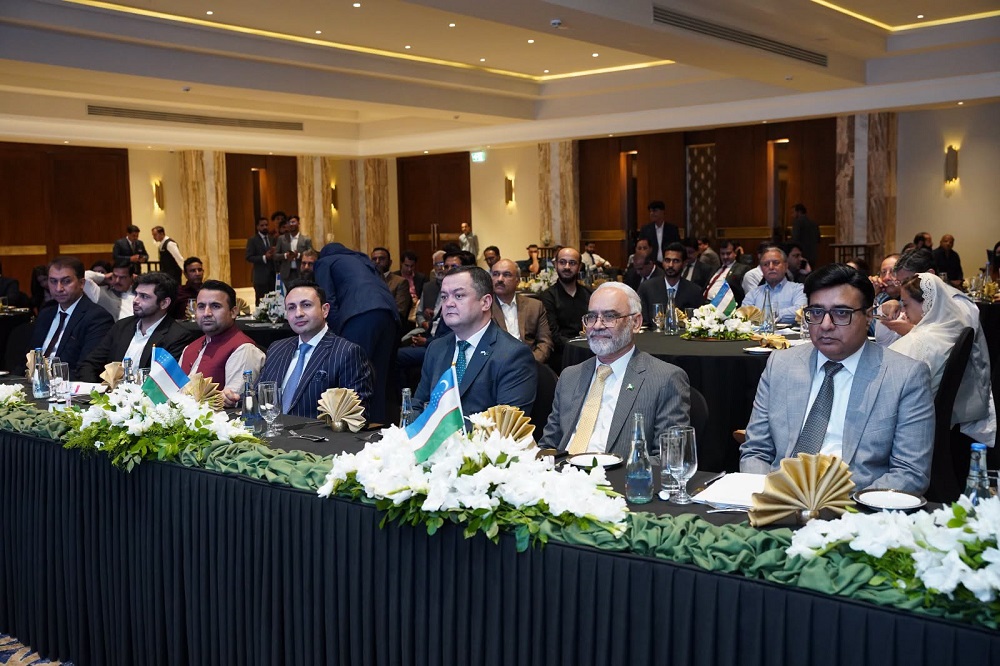
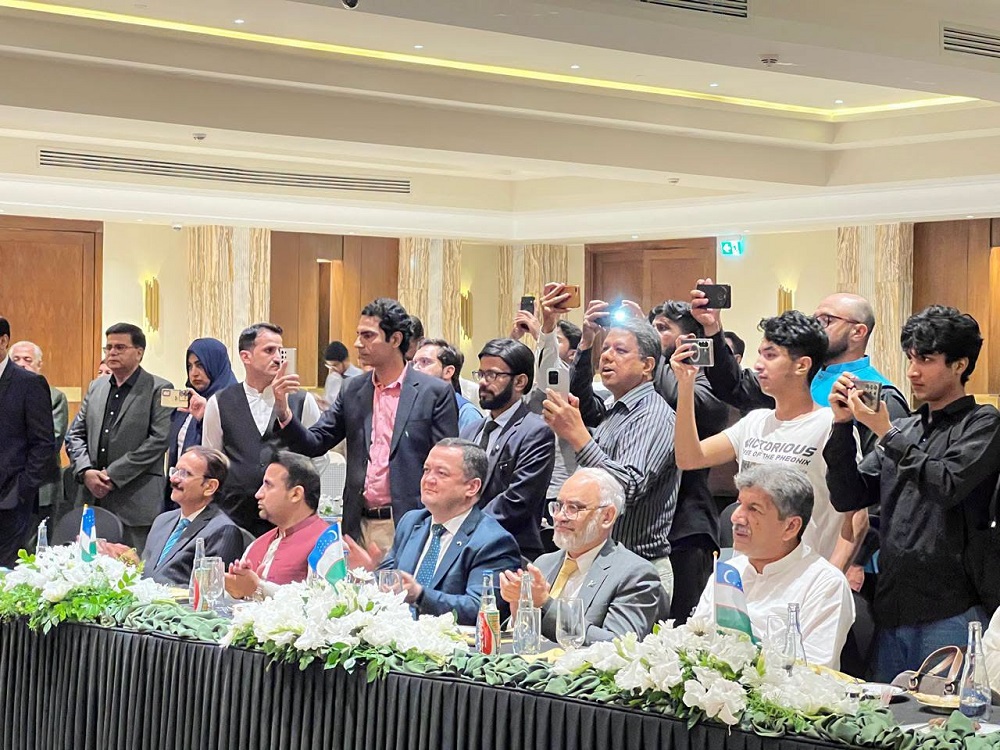
The Uzbekistan Tourism Road Show & Tourism Excellence Awards 2026, organized by the Embassy of Uzbekistan in Pakistan as part of Uzbekistan Tourism Days in Pakistan, brought together senior government officials, travel industry leaders, and key stakeholders to celebrate the steadily expanding partnership between the two countries.
The event served as a platform to recognize outstanding contributions to bilateral travel and leisure romotion while showcasing country’s tourism potential to Pakistani travellers, tour operators, and investors.
Tourism Excellence Awards Recognize Key Contributors
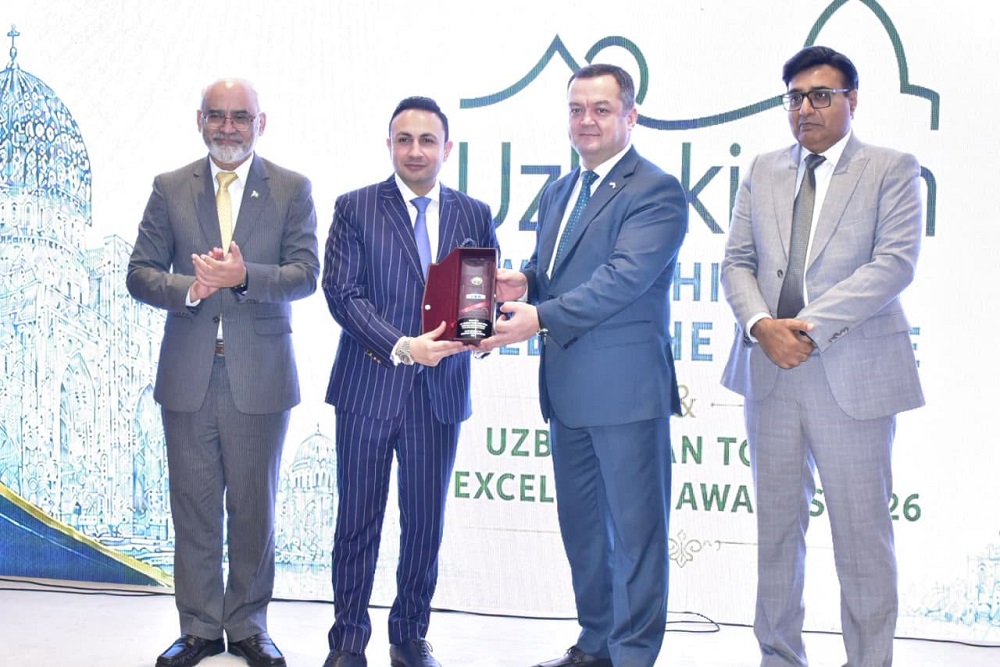
During the ceremony, His Excellency the Ambassador of Uzbekistan to Pakistan presented the Travel Excellence Awards to a number of individuals and institutions recognized for their role in strengthening travel and mobility ties between the two nations. Award recipients included:
- Sardar Yasir Ilyas Khan, National Coordinator to the Prime Minister on Tourism
- Mr. Aftab-ur-Rehman Rana, Managing Director, PTDC
- Other prominent mobility stakeholders who have contributed to promoting bilateral tourism between Pakistan and Uzbekistan
The awards underscored the growing institutional commitment on both sides to elevate traveling as a pillar of the broader bilateral relationship.
Ambassador Highlights Historical Ties and Investment Opportunities
Addressing the gathering, the Ambassador of Uzbekistan spoke about the deep historical and cultural connections shared by Pakistan and Uzbekistan — ties rooted in centuries of trade, culture, and people-to-people exchange along the historic Silk Road. He outlined emerging opportunities for travel investment in Uzbekistan and reaffirmed a shared vision for expanding cooperation in the years ahead, positioning mobility as a natural extension of the two countries’ longstanding friendship.
PTDC Highlights Growing Cooperation and Regional Connectivity
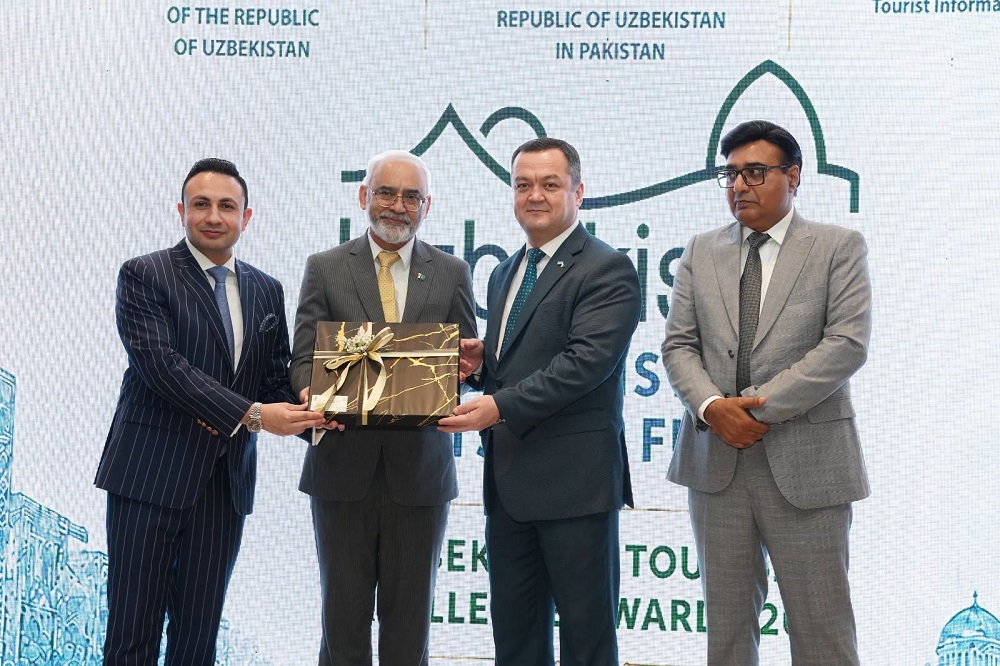
Speaking at the event, Mr. Aftab-ur-Rehman Rana, Managing Director PTDC, appreciated the Embassy’s efforts in organizing the Road Show and highlighted the steadily growing traveling cooperation partnership between Pakistan and Uzbekistan. He shared details of several ongoing initiatives designed to enhance travel exchanges between the two countries, including:
- Cooperation in travel education and training
- Building stronger linkages between tour operators on both sides
- Working toward improved air connectivity to facilitate easier travel
- Exploring opportunities for greater regional cooperation through upcoming ECO (Economic Cooperation Organization) and SCO (Shanghai Cooperation Organization) tourism engagements planned in Lahore
Mr. Rana’s remarks reflected PTDC’s broader strategy of using multilateral platforms to position Pakistan as a connected and accessible destination within the Central and South Asian travel corridor.
Government Reaffirms Commitment to Mobility Facilitation
Speaking as Chief Guest, Sardar Yasir Ilyas Khan, National Coordinator to the Prime Minister on Tourism, highlighted the immense travel and investment potential present in both Pakistan and Uzbekistan. He reaffirmed the Government of Pakistan’s commitment to facilitating travel between the two countries, encouraging greater travel exchanges, and strengthening people-to-people connections as a foundation for long-term bilateral cooperation.
Backgrounder: A Growing Pakistan–Uzbekistan Mobility Partnership
Pakistan and Uzbekistan have, in recent years, steadily expanded cooperation across trade, connectivity, culture, and traveling, building on historical and civilizational links dating back to the Silk Road era. The Uzbekistan Tourism Days in Pakistan initiative reflects a deliberate diplomatic and economic push by both governments to translate these historical ties into tangible tourism and economic outcomes.
Both countries have worked toward easing visa processes, expanding air links, and encouraging direct engagement between tour operators, hoteliers, and tourism boards. Uzbekistan, home to iconic Silk Road cities such as Samarkand, Bukhara, and Khiva, has been actively promoting itself as a premier heritage and cultural traveling destination for South Asian travellers, while Pakistan — with its diverse landscapes, from the northern mountains to rich cultural heritage sites — offers reciprocal appeal to Central Asian visitors.
The Tourism Excellence Awards 2026 mark a continuation of this momentum, formally recognizing individuals and institutions driving bilateral traveling forward, and signaling that traveling has become a strategic pillar — alongside trade and connectivity — in the broader Pakistan–Uzbekistan relationship.
Conclusion: Building Regional Bridges Through Mobility
The travel show 2026 highlighted not only the achievements of individuals and institutions driving bilateral tourism, but also the strategic importance of sustained promotion of Pakistan–Uzbekistan cooperation going forward. Strengthening this partnership will require continued focus on connectivity — particularly improved air links, streamlined travel facilitation, and closer coordination between tour operators and tourism boards on both sides.
Looking ahead, the planned ECO and SCO tourism engagements in Lahore present a significant opportunity to elevate this bilateral momentum into a broader regional tourism agenda, positioning both countries as key nodes in an increasingly connected Central and South Asian travel corridor. As both governments continue to prioritize traveling facilitation and people-to-people exchange, Pakistan looks forward to welcoming more travellers from Uzbekistan and across Central Asia, while building stronger, lasting traveling bridges across the wider region.
]]>
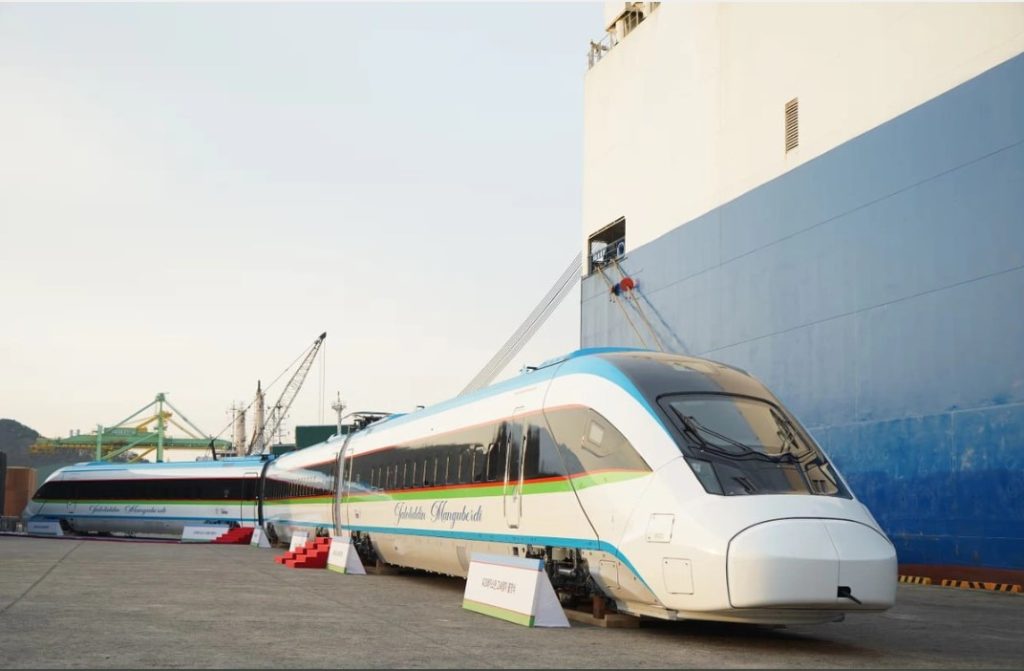
Uzbekistan is rapidly redefining the legacy of the ancient Silk Road, replacing centuries-old caravan routes with modern high-speed rail networks that promise to reshape trade, tourism, and regional connectivity across Eurasia. With new railway investments, advanced rolling stock, and ambitious infrastructure projects, the Central Asian nation is positioning itself as a critical transit hub linking East and West.
At the heart of this transformation lies Uzbekistan’s expanding high-speed rail system, highlighted by the introduction of cutting-edge trains manufactured by South Korea’s Hyundai Rotem. The initiative marks a significant leap forward in the country’s efforts to modernize transport infrastructure and strengthen its role in Eurasian logistics.
A New Era of High-Speed Connectivity
In December 2025, Hyundai Rotem dispatched the first batch of high-speed trains to Uzbekistan, marking the beginning of a new chapter in the country’s rail development. These trains, part of a broader agreement signed in 2024, represent the first export of South Korean high-speed rail technology to the region.
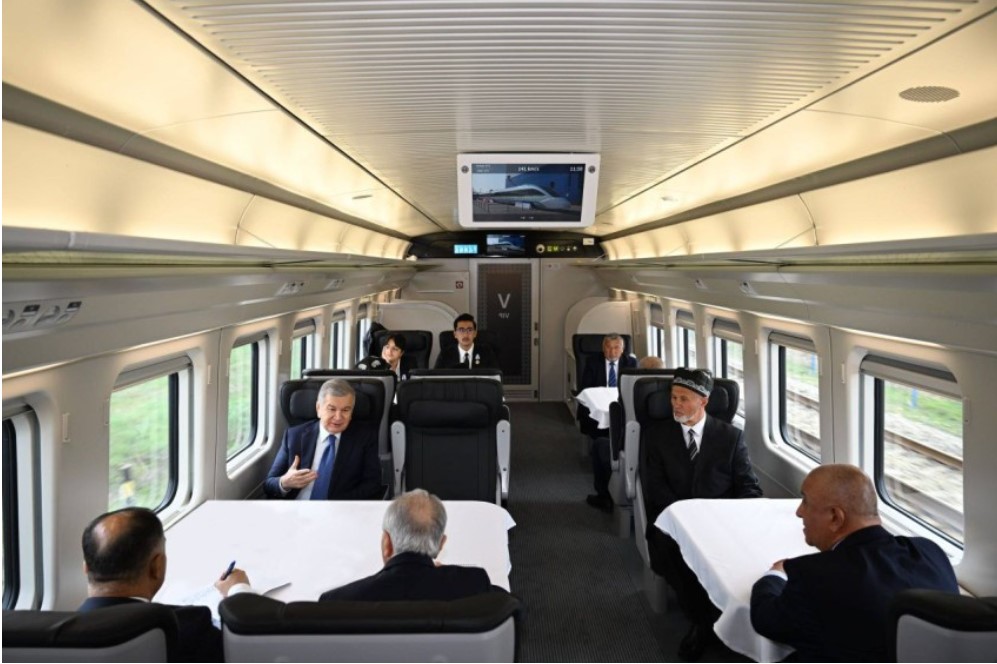
The newly delivered trains, branded “Jaloliddin Manguberdi,” are designed specifically for Uzbekistan’s climate and infrastructure. Capable of reaching speeds of up to 250 km/h, they offer both high performance and resilience in extreme weather conditions, including desert heat and dust.
Each train consists of seven cars with a capacity of nearly 400 passengers, combining economy and business-class services. The fleet is expected to expand to six full trainsets by 2027, significantly enhancing the country’s rail capabilities.
Tashkent–Khiva Line: A Strategic Corridor
One of the most ambitious projects underway is the high-speed rail link between Tashkent and Khiva, a route spanning approximately 1,286 kilometers. The service is expected to launch after March 2026 following testing phases.
This corridor is particularly significant because it connects Uzbekistan’s capital with Khiva, one of Central Asia’s most iconic historical cities. Travel time along the route is set to be reduced dramatically—from around 14 hours to just 7.5 hours—effectively cutting the journey in half.
The impact of this time reduction is profound. Faster travel will not only improve domestic mobility but also unlock tourism potential by making remote heritage sites more accessible. Analysts expect a surge in both domestic and international visitors as a result.
Strengthening the Modern Silk Road
Uzbekistan’s rail expansion is closely tied to its broader ambition of reviving the Silk Road in a modern context. Historically, the Silk Road connected Asia with Europe through trade caravans, facilitating the exchange of goods, culture, and ideas. Today, railways are replacing camels and caravans as the backbone of this transcontinental network.
According to recent reports, Uzbekistan is actively developing new rail links to enhance its role as a Eurasian transit hub. These projects aim to integrate the country more deeply into regional logistics corridors, supporting both passenger and freight movement across Central Asia.
High-speed passenger services are already experiencing rapid growth, with volumes expected to triple by 2026. This expansion reflects rising demand for efficient, reliable transportation and underscores the strategic importance of rail in regional development.
Economic and Strategic Implications
The modernization of Uzbekistan’s railway system carries significant economic benefits. Improved connectivity reduces transportation costs, shortens delivery times, and enhances trade efficiency. For a landlocked country like Uzbekistan, these improvements are particularly critical.
By linking major cities such as Tashkent, Samarkand, Bukhara, and Khiva, the rail network supports both domestic economic integration and international trade routes. Existing high-speed lines, such as the Tashkent–Bukhara corridor, have already demonstrated the potential of rail to drive economic activity and regional development.
Moreover, the introduction of advanced rail technology facilitates knowledge transfer and workforce development. Uzbek specialists are receiving training in high-speed rail operations and maintenance, contributing to long-term capacity building within the country.
Tourism Boom Along Historic Routes
Tourism is expected to be one of the biggest beneficiaries of Uzbekistan’s rail revolution. Cities like Samarkand, Bukhara, and Khiva—renowned for their Silk Road heritage—are becoming more accessible to both domestic and international travelers.
Railway authorities emphasize that high-speed trains play a crucial role in connecting visitors with these cultural centers, enhancing the overall travel experience. Modern trains offer comfort, safety, and speed, making them an attractive alternative to road or air travel for regional journeys.
As accessibility improves, Uzbekistan is likely to see increased investment in tourism infrastructure, including hotels, services, and cultural preservation initiatives.
Regional Connectivity and Eurasian Integration
Beyond national development, Uzbekistan’s railway expansion has broader geopolitical implications. By strengthening its transport infrastructure, the country is positioning itself as a key node in Eurasian connectivity networks.
New rail links are expected to facilitate trade flows between China, Central Asia, and Europe, aligning with wider regional initiatives aimed at enhancing cross-border connectivity. This positions Uzbekistan as a vital bridge in emerging transcontinental supply chains.
The integration of high-speed rail into these networks also supports sustainability goals, offering a more energy-efficient alternative to road and air transport.
Looking Ahead
Uzbekistan’s vision for a modern Silk Road is steadily taking shape. With the rollout of high-speed trains, the development of new rail corridors, and increasing passenger demand, the country is entering a new phase of economic and infrastructural transformation.
The Tashkent–Khiva line, set to become operational in 2026, symbolizes this shift—connecting history with modernity, and tradition with innovation. As railways continue to expand, Uzbekistan is not only reviving the Silk Road but redefining it for the 21st century.