Ambassador Highlights Historical Ties and Investment Opportunities
PTDC Highlights Growing Cooperation and Regional Connectivity
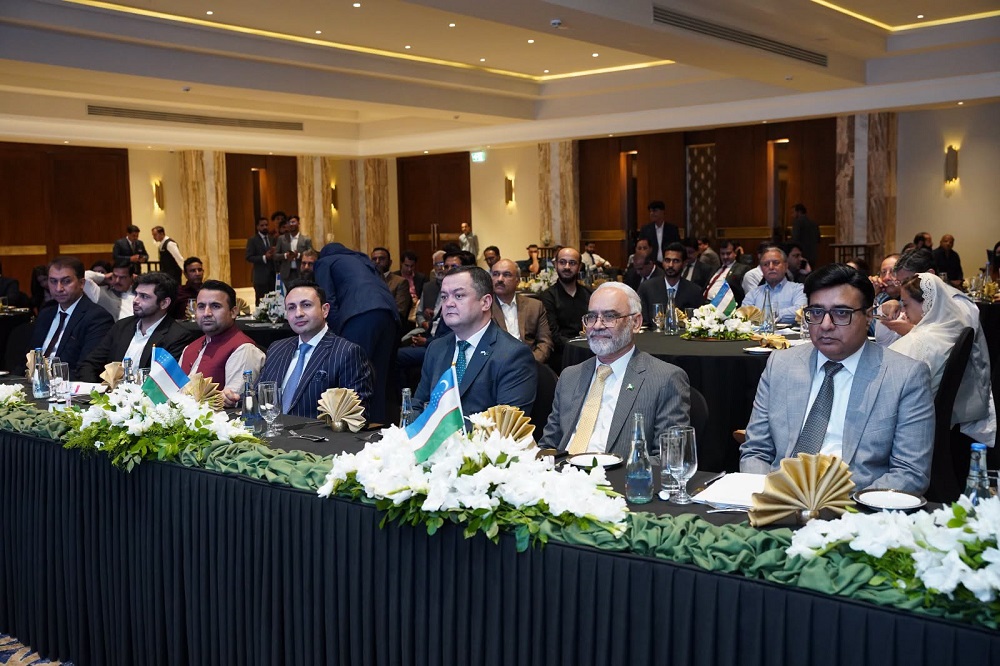
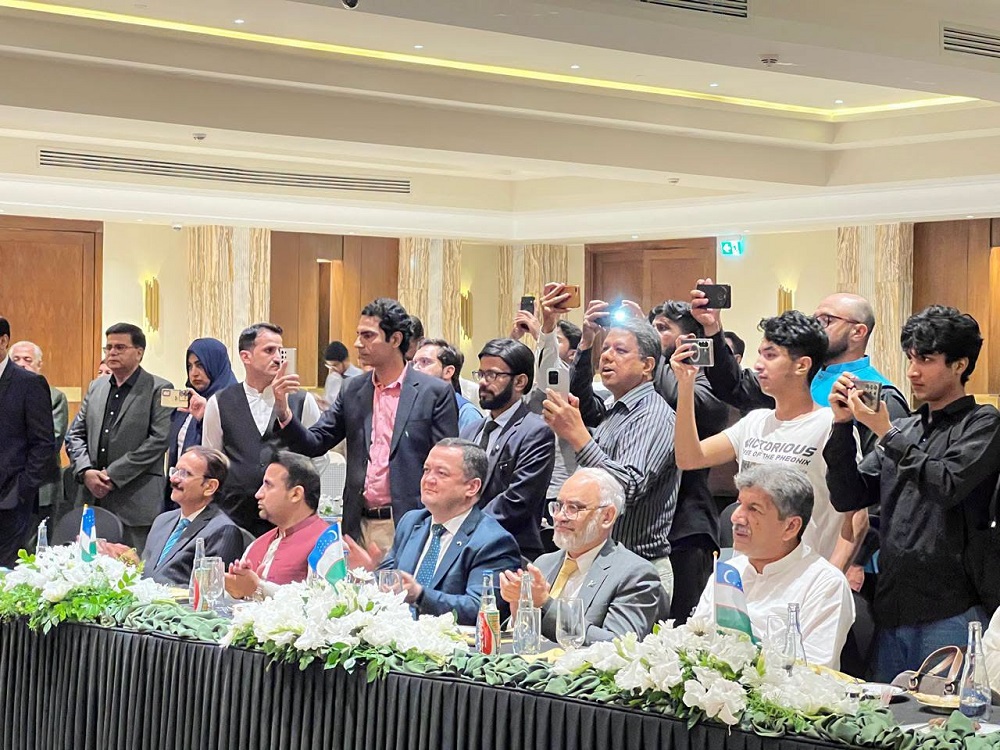
The Uzbekistan Tourism Road Show & Tourism Excellence Awards 2026, organized by the Embassy of Uzbekistan in Pakistan as part of Uzbekistan Tourism Days in Pakistan, brought together senior government officials, travel industry leaders, and key stakeholders to celebrate the steadily expanding partnership between the two countries.
The event served as a platform to recognize outstanding contributions to bilateral travel and leisure romotion while showcasing country’s tourism potential to Pakistani travellers, tour operators, and investors.
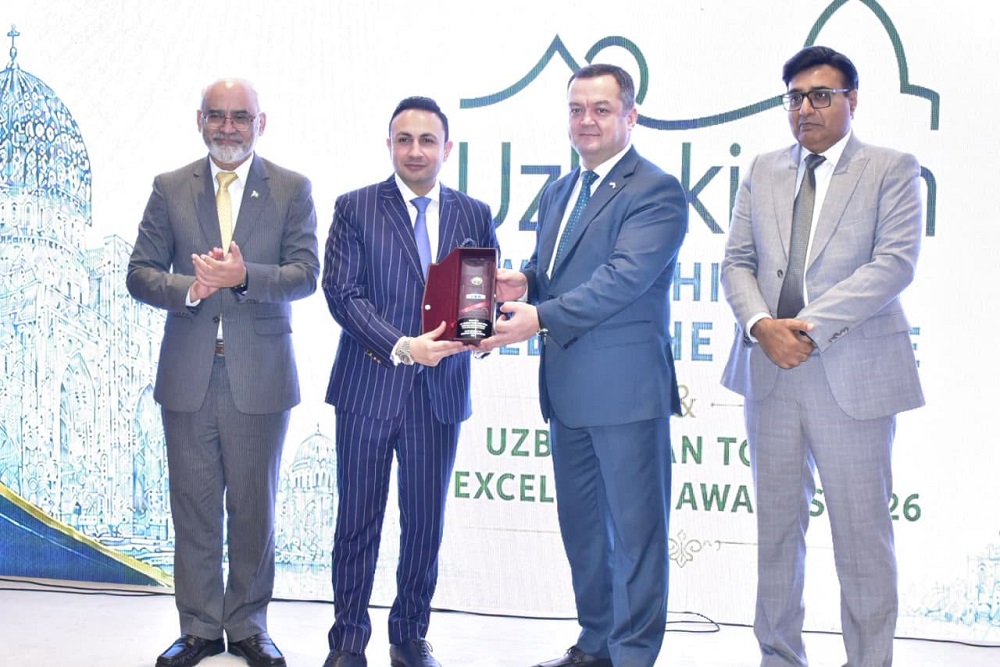
Tourism Excellence Awards Recognize Key Contributors
During the ceremony, His Excellency the Ambassador of Uzbekistan to Pakistan presented the Travel Excellence Awards to a number of individuals and institutions recognized for their role in strengthening travel and mobility ties between the two nations. Award recipients included:
- Sardar Yasir Ilyas Khan, National Coordinator to the Prime Minister on Tourism
- Mr. Aftab-ur-Rehman Rana, Managing Director, PTDC
- Other prominent mobility stakeholders who have contributed to promoting bilateral tourism between Pakistan and Uzbekistan
The awards underscored the growing institutional commitment on both sides to elevate traveling as a pillar of the broader bilateral relationship.
Ambassador Highlights Historical Ties and Investment Opportunities
Addressing the gathering, the Ambassador of Uzbekistan spoke about the deep historical and cultural connections shared by Pakistan and Uzbekistan — ties rooted in centuries of trade, culture, and people-to-people exchange along the historic Silk Road. He outlined emerging opportunities for travel investment in Uzbekistan and reaffirmed a shared vision for expanding cooperation in the years ahead, positioning mobility as a natural extension of the two countries’ longstanding friendship.
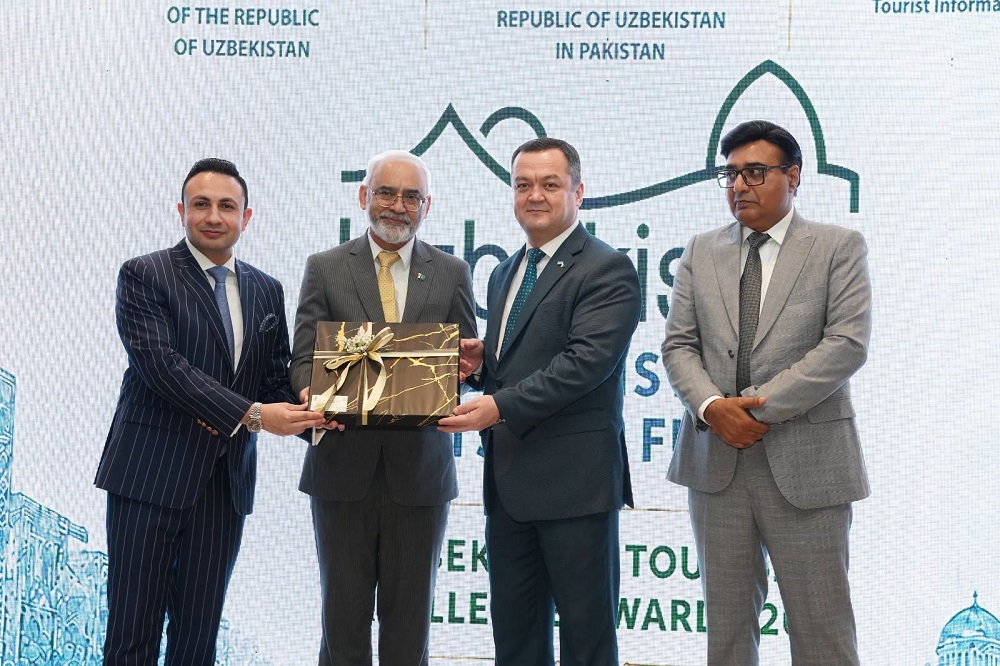
PTDC Highlights Growing Cooperation and Regional Connectivity
Speaking at the event, Mr. Aftab-ur-Rehman Rana, Managing Director PTDC, appreciated the Embassy’s efforts in organizing the Road Show and highlighted the steadily growing traveling cooperation partnership between Pakistan and Uzbekistan. He shared details of several ongoing initiatives designed to enhance travel exchanges between the two countries, including:
- Cooperation in travel education and training
- Building stronger linkages between tour operators on both sides
- Working toward improved air connectivity to facilitate easier travel
- Exploring opportunities for greater regional cooperation through upcoming ECO (Economic Cooperation Organization) and SCO (Shanghai Cooperation Organization) tourism engagements planned in Lahore
Mr. Rana’s remarks reflected PTDC’s broader strategy of using multilateral platforms to position Pakistan as a connected and accessible destination within the Central and South Asian travel corridor.
Government Reaffirms Commitment to Mobility Facilitation
Speaking as Chief Guest, Sardar Yasir Ilyas Khan, National Coordinator to the Prime Minister on Tourism, highlighted the immense travel and investment potential present in both Pakistan and Uzbekistan. He reaffirmed the Government of Pakistan’s commitment to facilitating travel between the two countries, encouraging greater travel exchanges, and strengthening people-to-people connections as a foundation for long-term bilateral cooperation.
Backgrounder: A Growing Pakistan–Uzbekistan Mobility Partnership
Pakistan and Uzbekistan have, in recent years, steadily expanded cooperation across trade, connectivity, culture, and traveling, building on historical and civilizational links dating back to the Silk Road era. The Uzbekistan Tourism Days in Pakistan initiative reflects a deliberate diplomatic and economic push by both governments to translate these historical ties into tangible tourism and economic outcomes.
Both countries have worked toward easing visa processes, expanding air links, and encouraging direct engagement between tour operators, hoteliers, and tourism boards. Uzbekistan, home to iconic Silk Road cities such as Samarkand, Bukhara, and Khiva, has been actively promoting itself as a premier heritage and cultural traveling destination for South Asian travellers, while Pakistan — with its diverse landscapes, from the northern mountains to rich cultural heritage sites — offers reciprocal appeal to Central Asian visitors.
The Tourism Excellence Awards 2026 mark a continuation of this momentum, formally recognizing individuals and institutions driving bilateral traveling forward, and signaling that traveling has become a strategic pillar — alongside trade and connectivity — in the broader Pakistan–Uzbekistan relationship.
Conclusion: Building Regional Bridges Through Mobility
The travel show 2026 highlighted not only the achievements of individuals and institutions driving bilateral tourism, but also the strategic importance of sustained promotion of Pakistan–Uzbekistan cooperation going forward. Strengthening this partnership will require continued focus on connectivity — particularly improved air links, streamlined travel facilitation, and closer coordination between tour operators and tourism boards on both sides.
Looking ahead, the planned ECO and SCO tourism engagements in Lahore present a significant opportunity to elevate this bilateral momentum into a broader regional tourism agenda, positioning both countries as key nodes in an increasingly connected Central and South Asian travel corridor. As both governments continue to prioritize traveling facilitation and people-to-people exchange, Pakistan looks forward to welcoming more travellers from Uzbekistan and across Central Asia, while building stronger, lasting traveling bridges across the wider region.
]]>
Push for a Chinese Universities Education Expo in Pakistan
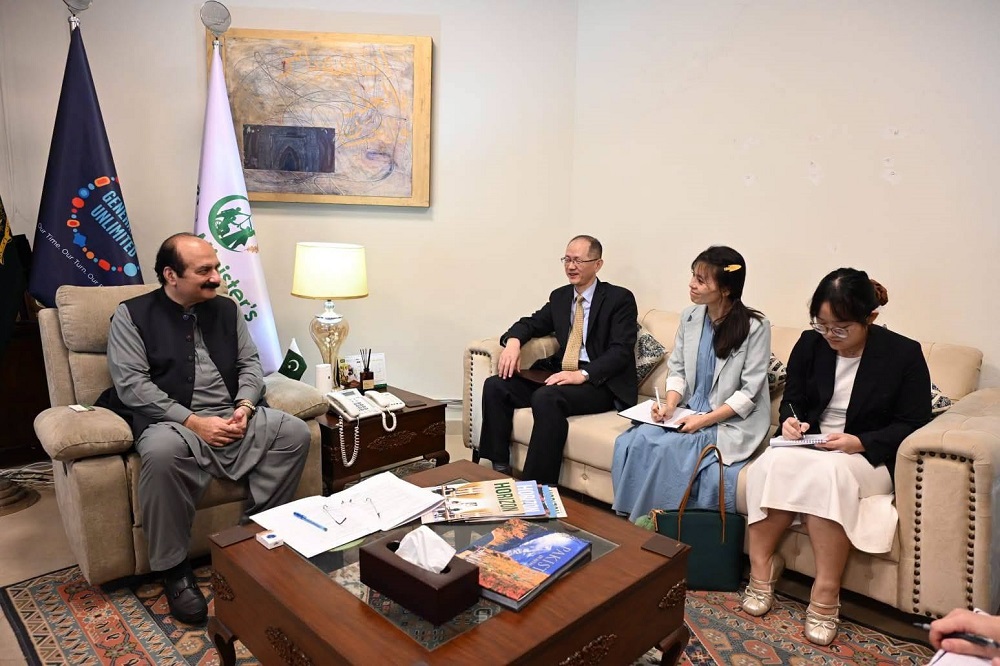
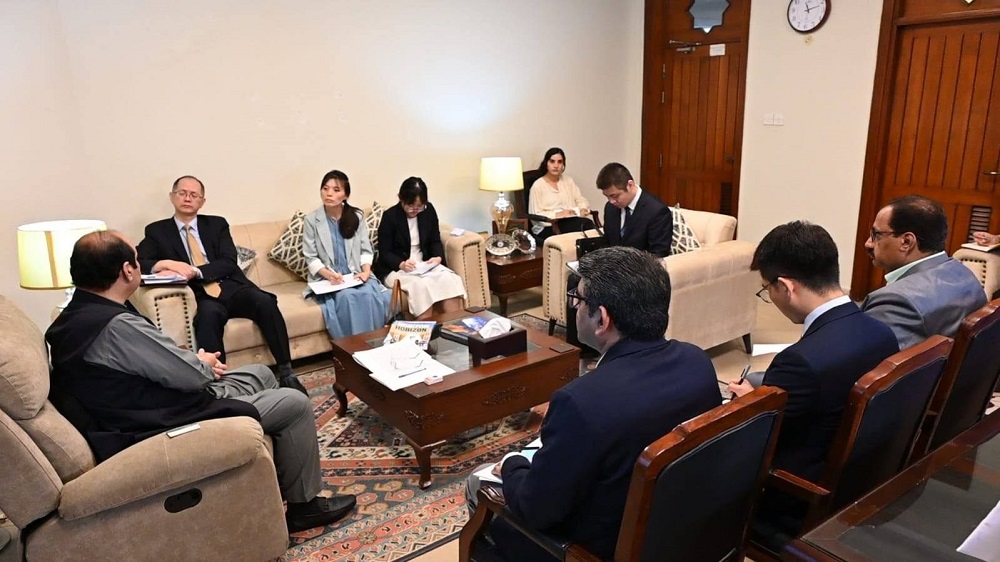
Islamabad: A high-level meeting was held at the Prime Minister’s Office between Chairman of the Prime Minister’s Youth Programme (PMYP), Rana Mashhood Ahmed Khan, and Shi Yuanqiang, Charge d’Affaires of the Embassy of the People’s Republic of China, to discuss avenues for strengthening Pakistan–China cooperation in youth development, education, skills, employment, technology, innovation, research and youth exchanges.
Chairman Rana Mashhood Ahmed Khan extended a warm welcome to Shi Yuanqiang and the accompanying Chinese delegation. The meeting was also attended by PMYP Joint Secretary Dr. Muhammad Ali Malik, along with other senior officers from the Programme.
Push for a Chinese Universities Education Expo in Pakistan
Opening the discussion, Chairman Rana Mashhood Ahmed Khan highlighted the strong and growing interest among Pakistani youth in pursuing higher education at Chinese universities. He proposed the organization of a dedicated Chinese Universities Education Expo in Pakistan, where leading Chinese institutions could directly engage with Pakistani students, showcase academic programmes and scholarships, and provide first-hand information on admission pathways.
He described the initiative as an education-focused platform functioning much like a job fair — bringing universities and prospective students together under one roof to simplify access to information and opportunity.
Reinforcing the “Iron Brother” Relationship Through Youth Engagement
The Chairman reaffirmed Pakistan’s commitment to deepening the longstanding Pakistan–China “iron brother” relationship, placing particular emphasis on people-to-people and youth-to-youth engagement. He stressed the importance of expanding exchanges in culture, technology, research, education and skills development to create meaningful, forward-looking opportunities for young people in both countries.
Rana Mashhood Ahmed Khan also revealed that PMYP Secretariats have already been established in China, a development he described as reflective of the growing institutional engagement between the two countries in the youth sector.
He expressed appreciation to the Government and people of China for their continued support to Pakistan, acknowledging the role of China’s advanced technology and capabilities in strengthening bilateral cooperation. Highlighting progress in the space sector, he noted that Pakistan’s first astronaut is expected to join China’s space station by the end of this year — a milestone he called a significant marker of Pakistan–China cooperation in science, technology and space exploration.
China Praises Digital Youth Hub, Seeks Wider Collaboration
Speaking at the meeting, Shi Yuanqiang emphasized the unique and enduring nature of Pakistan–China relations, reiterating the characterization of the two nations as “iron brothers.” He underlined the importance of expanding youth exchanges in culture, technology and research to promote greater interaction, mutual understanding and long-term collaboration between the younger generations of both countries.
The Chinese envoy specifically praised the Digital Youth Hub (DYH), a flagship initiative of the Prime Minister’s Youth Programme, describing it as an innovative and centralized platform that connects young people with diverse opportunities in one place. He commended PMYP for developing a mechanism that effectively engages, connects and empowers youth across the country.
Shi Yuanqiang further expressed China’s interest in exploring greater involvement of Chinese universities, companies, development organizations and private-sector partners with the Digital Youth Hub — a step that could significantly expand the range of opportunities available to Pakistani youth.
PMYP’s 4Es Framework and National Youth Employment Policy
Chairman Rana Mashhood Ahmed Khan briefed the Chinese delegation on PMYP’s flagship initiatives operating under its 4Es Framework — Education, Employment, Engagement and Environment. These include the Prime Minister’s Youth Skills Development Programme, Prime Minister’s Youth Laptop Scheme, Prime Minister’s Youth Business & Agriculture Loan Scheme, Prime Minister’s National Innovation Award, Prime Minister’s National Volunteer Corps, the Digital Youth Hub, Talent Hunt & Youth Sports League, and the Green Youth Movement.
He underscored the importance of collaboration on Pakistan’s National Youth Employment Policy, particularly in expanding employment, skills development, entrepreneurship and international opportunities for Pakistani youth. To this end, he proposed a structured mechanism with the Chinese Embassy to identify relevant opportunities through Chinese institutions, universities, companies and development organizations.
Joint Secretary PMYP Dr. Muhammad Ali Malik added that the Programme would work closely with the Chinese government on the National Youth Employment Policy, exploring areas of cooperation that could directly contribute to employment generation, skills development and professional opportunities for young Pakistanis.
Way Forward: Focal Persons and a Formal Cooperation Framework
As a concrete way forward, both sides agreed to designate focal persons to maintain regular communication, facilitate coordination and identify actionable areas of collaboration. It was further proposed that the two sides work towards developing a formal framework of cooperation with the Embassy of China, covering the National Youth Employment Policy and broader youth employment opportunities.
The meeting concluded on a note of shared commitment to deepen Pakistan–China cooperation in the youth sector, with both sides expressing optimism about translating the two countries’ longstanding friendship into practical, meaningful opportunities for young people.
Conclusion
The discussions between the Pakistan Prime Minister’s Youth Programme and the Chinese Embassy mark another step forward in institutionalizing Pakistan–China cooperation beyond traditional economic and strategic domains. As both nations look to equip their youth for an increasingly technology-driven future, sustained collaboration in education, skills development, employment generation, research and innovation will be essential. Initiatives such as the proposed Chinese Universities Education Expo, the Digital Youth Hub and a structured youth employment framework represent tangible pathways for turning the “iron brother” relationship into lasting opportunities for the younger generations of both countries. Continued high-level engagement, backed by clear implementation mechanisms and dedicated focal persons, will be key to ensuring that this momentum translates into measurable outcomes — reinforcing Pakistan–China friendship as a partnership that actively invests in the future of its youth.
]]>Peshawar’s ancient treasures — from a 2,000-year-old museum to a Silk Road-era merchant house — draw international praise as four Khyber Pakhtunkhwa sites enter UNESCO’s World Heritage Tentative List.
Introduction
Khyber Pakhtunkhwa’s ancient Gandhara civilization is once again capturing global attention. In a series of high-profile visits, international diplomats have toured the region’s most treasured archaeological sites, praising the provincial government’s efforts to preserve a heritage that once linked South Asia, Central Asia, and China along the fabled Silk Road. The visits coincide with a landmark development: UNESCO’s World Heritage Centre has formally added four major heritage sites from Khyber Pakhtunkhwa to its prestigious World Heritage Tentative List, a significant step toward eventual world heritage status.
UN Representative Visits Peshawar Museum
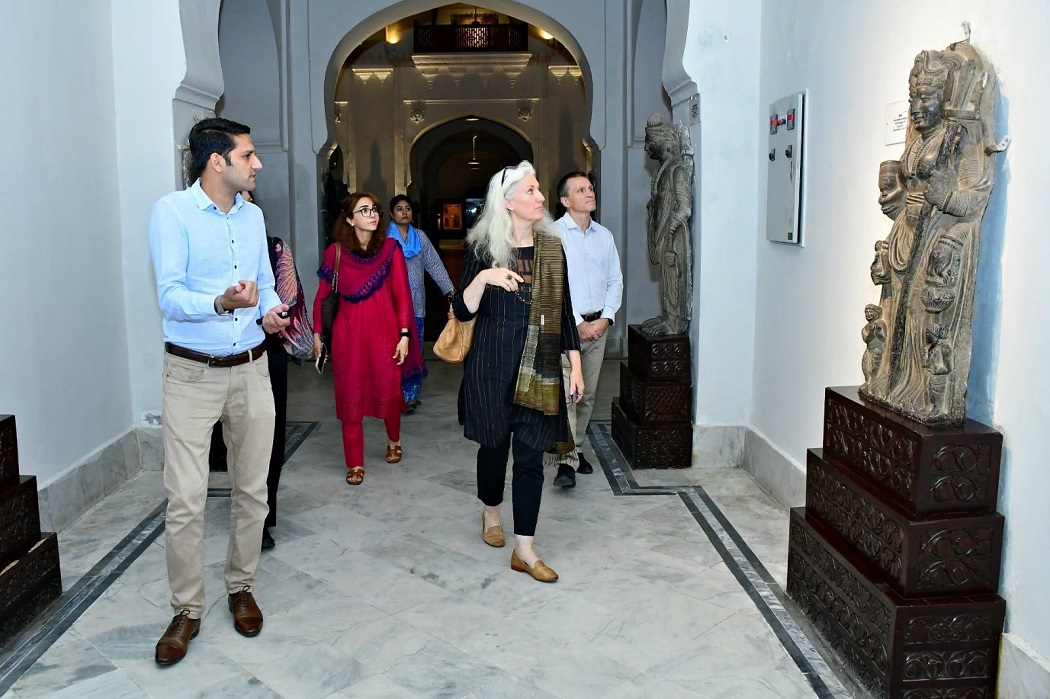
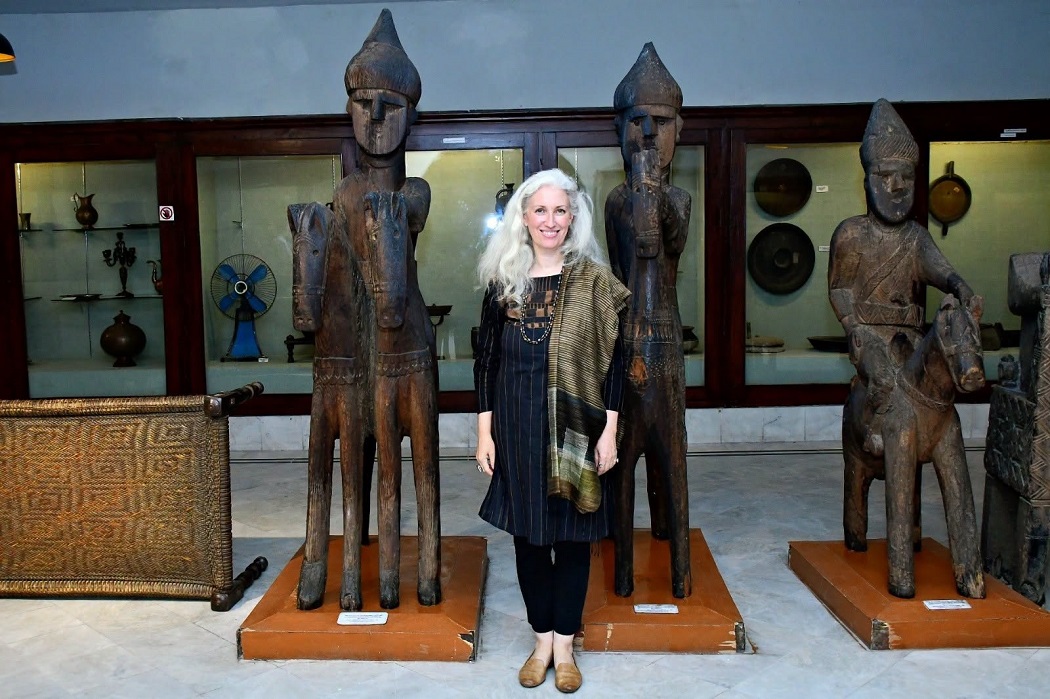
Pernille Ironside, the United Nations Representative in Pakistan, recently visited the Peshawar Museum, one of South Asia’s most important repositories of Gandhara art and Buddhist-era artifacts. During her tour, she explored the museum’s extensive collection of sculptures, relics, and archaeological finds that trace the region’s role as a crossroads of civilizations.
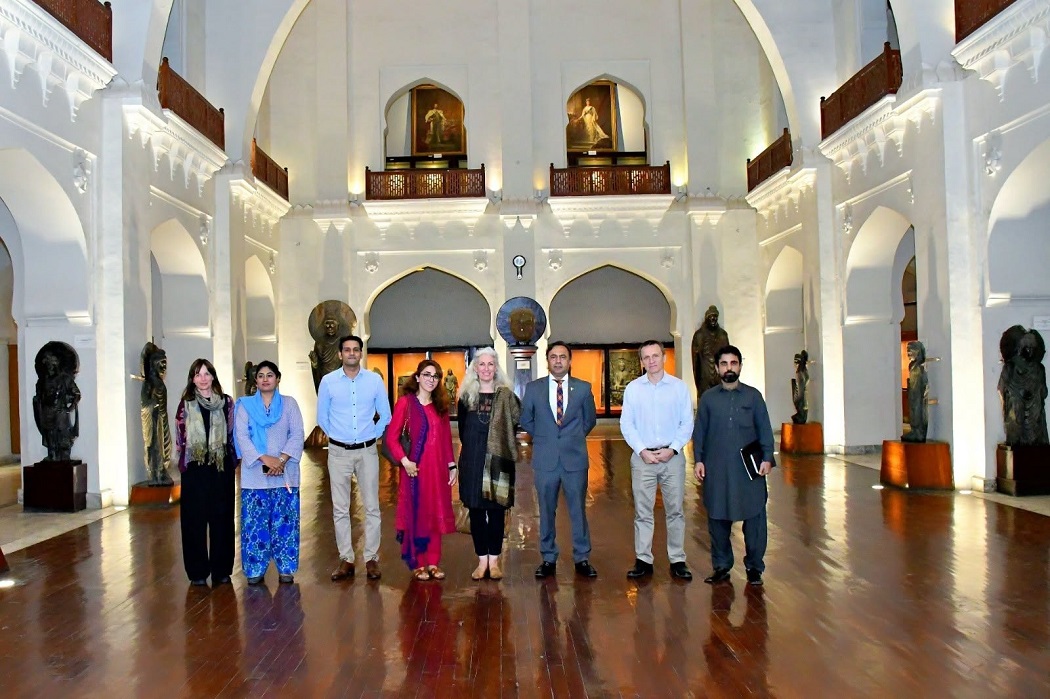
Ironside commended the Government of Khyber Pakhtunkhwa for its sustained commitment to preserving and promoting the province’s archaeological and cultural wealth. She specifically appreciated the efforts of the Directorate General of Archaeology & Museums, KP, for its continued work in protecting these historic treasures and making them accessible to scholars, tourists, and the public alike.
The Peshawar Museum, established during the colonial era and later expanded, houses one of the world’s finest collections of Gandhara sculpture — stone and stucco artworks that blend Greco-Roman artistic techniques with Buddhist religious themes. These pieces stand as physical evidence of the cultural fusion that flourished in the region roughly two thousand years ago.
Chinese Diplomats Tour Historic Sethi House
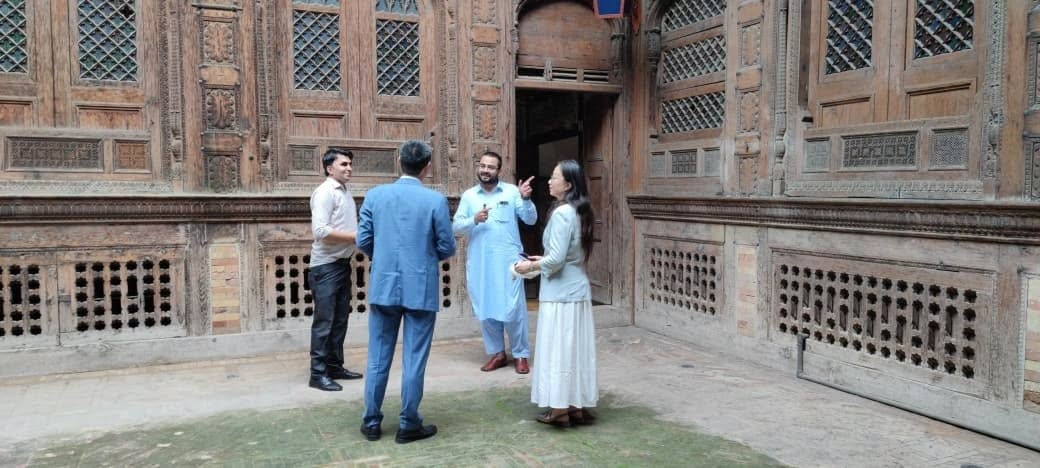
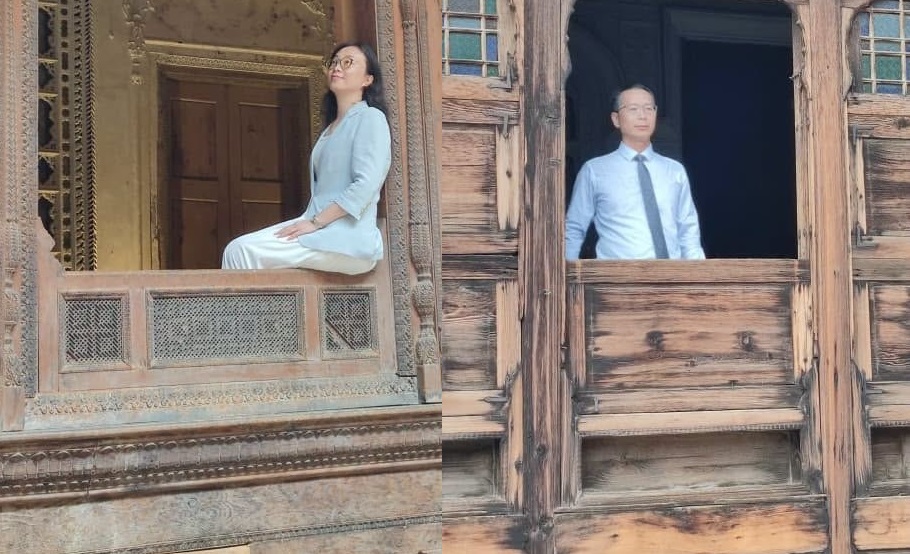
In a separate but equally significant visit, a delegation of Chinese diplomats toured the historic Sethi House in Peshawar, one of the city’s most architecturally distinctive heritage buildings. Built by wealthy merchants who traded along Silk Road routes stretching from Peshawar to Central Asia and China, Sethi House is renowned for its intricate woodwork, ornate interiors, and design elements reflecting influences from across the trade routes it once serviced.
The Chinese delegation praised the Directorate General of Archaeology & Museums, KP, for its continued efforts to preserve and promote this rare architectural legacy. Their visit carries particular symbolic weight given the historic trade and cultural links between the merchants of Peshawar and China during the Silk Road era — links that Sethi House itself embodies in brick, timber, and craftsmanship.
The visit also comes at a moment of renewed recognition for the building: Sethi House has now been included in UNESCO’s World Heritage Tentative List, an achievement described by heritage officials as a proud recognition of its historical and architectural significance.
Background: The Gandhara Civilization and the Silk Road
To understand why these visits matter, it helps to look back at the deep history behind them. The Gandhara civilization flourished in what is now Khyber Pakhtunkhwa and parts of northern Pakistan and eastern Afghanistan, reaching its peak between the 1st and 5th centuries CE. Positioned at the crossroads of the Indian subcontinent, Central Asia, Persia, and China, Gandhara became one of antiquity’s great melting pots — a place where Buddhist philosophy, Greco-Roman artistic traditions (introduced following Alexander the Great’s campaigns), and local South Asian culture merged into a distinctive artistic and architectural style.
This region sat directly along branches of the Silk Road, the network of trade routes that connected East Asia to the Mediterranean world for centuries. Caravans carrying silk, spices, precious stones, and ideas passed through cities like Peshawar (ancient Purushapura) and Taxila, turning the region into a thriving center of commerce, scholarship, and religious exchange. Buddhist monks, traders, and pilgrims traveled these routes, and it was here that some of the earliest depictions of the Buddha in human form were created — a fusion of Hellenistic sculptural technique and Buddhist iconography that came to define Gandhara art.
Today, that legacy survives in stone stupas, monastic ruins, ancient city remains, and elegant merchant houses scattered across Khyber Pakhtunkhwa — physical memories of a time when this land was not a periphery but a hub of the ancient world.
A Proud Milestone: Four KP Sites Added to UNESCO’s Tentative List
The recent diplomatic visits align with a major recognition from UNESCO. The World Heritage Centre has added four significant archaeological and heritage sites from Khyber Pakhtunkhwa to its World Heritage Tentative List — the preparatory list of sites a country intends to nominate for full World Heritage status. The sites are:
- Bhamala, Haripur — home to a renowned Buddhist stupa and monastery complex, notable for its cruciform stupa design and rich collection of Gandhara-era relics.
- Sethi House, Peshawar — a 19th-century merchant mansion celebrated for its Silk Road-influenced architecture and craftsmanship.
- Barikot, Swat — an ancient urban settlement with layers of occupation dating back thousands of years, offering deep insight into the region’s continuous habitation and cultural evolution.
- Gor Khatri, Peshawar — a historic mound site in the heart of old Peshawar with a layered history spanning Buddhist, Mughal, and Sikh periods.
This inclusion marks a proud milestone for Khyber Pakhtunkhwa, positioning these sites on the path toward potential inscription as full UNESCO World Heritage Sites — a status that could bring greater international recognition, research collaboration, and cultural tourism to the province.
A Collaborative Effort to Safeguard Heritage
Officials have emphasized that this progress reflects sustained collaboration rather than isolated effort. The Government of Khyber Pakhtunkhwa, acting through the Directorate General of Archaeology & Museums, KP, has been working closely with Federal Archaeology authorities and UNESCO Pakistan to document, conserve, and promote the province’s archaeological wealth.
This partnership approach has become increasingly important as heritage sites across the region face pressures from urbanization, limited conservation funding, and the challenges of balancing preservation with public access. By pursuing UNESCO recognition, provincial authorities aim to secure not only prestige but also technical support, international attention, and long-term conservation frameworks for these irreplaceable sites.
The renewed diplomatic interest — from the United Nations to Chinese representatives — also signals growing international awareness of Khyber Pakhtunkhwa’s potential as a heritage and cultural tourism destination, one capable of drawing scholars, history enthusiasts, and travelers eager to walk in the footsteps of ancient traders and pilgrims.
Why This Matters for Heritage Tourism
For Khyber Pakhtunkhwa, heritage preservation is increasingly intertwined with economic opportunity. Well-preserved and internationally recognized sites can become anchors for cultural tourism, generating income for local communities, encouraging investment in conservation infrastructure, and creating educational opportunities tied to archaeology, history, and museum studies.
The Peshawar Museum and Sethi House already attract researchers and visitors interested in Gandhara art and Silk Road history. With UNESCO Tentative List status now attached to Bhamala, Sethi House, Barikot, and Gor Khatri, expectations are rising that these sites will see increased conservation funding, improved visitor facilities, and greater visibility on the global cultural map.
Conclusion: Preserving Gandhara Heritage and Silk Road Memories
The story of Khyber Pakhtunkhwa’s heritage is, in many ways, the story of the ancient Silk Road itself — a tale of civilizations meeting, trading, and shaping one another across centuries. From the Buddhist sculptures housed in Peshawar Museum to the ornate woodwork of Sethi House and the layered ruins of Barikot and Gor Khatri, these sites are living memories of a time when this region stood at the center of global exchange rather than its margins.
The recent visits by the UN Representative and Chinese diplomats, paired with UNESCO’s decision to add four KP sites to its World Heritage Tentative List, represent more than diplomatic goodwill — they mark a renewed international commitment to safeguarding Gandhara heritage for future generations. As the Government of Khyber Pakhtunkhwa continues its collaboration with federal authorities and UNESCO Pakistan, the province’s ancient Silk Road memories are being written back into the global story of shared human heritage, ensuring that the legacy of Gandhara endures not just in museums and monuments, but in the world’s collective memory.
]]>[ad_1]
-
RCCI President Usman Shaukat calls for expanding bilateral trade and building stronger business-to-business linkages between between Pakistan and China.
By: Muhammad Arif, Editor NSN.Asia
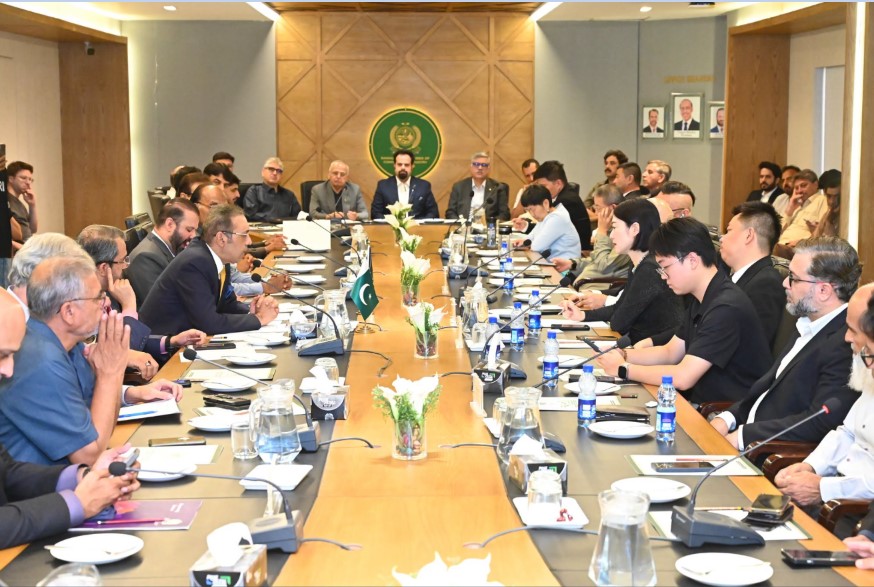
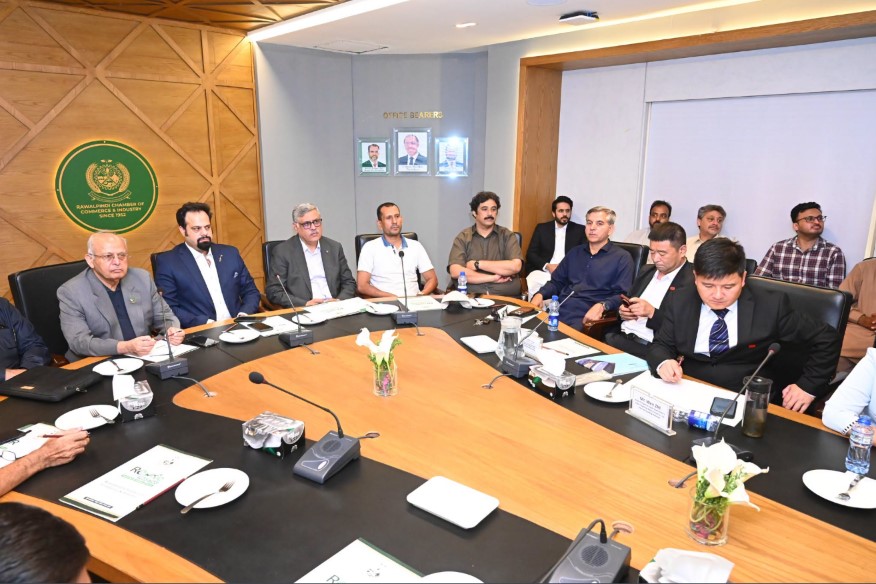
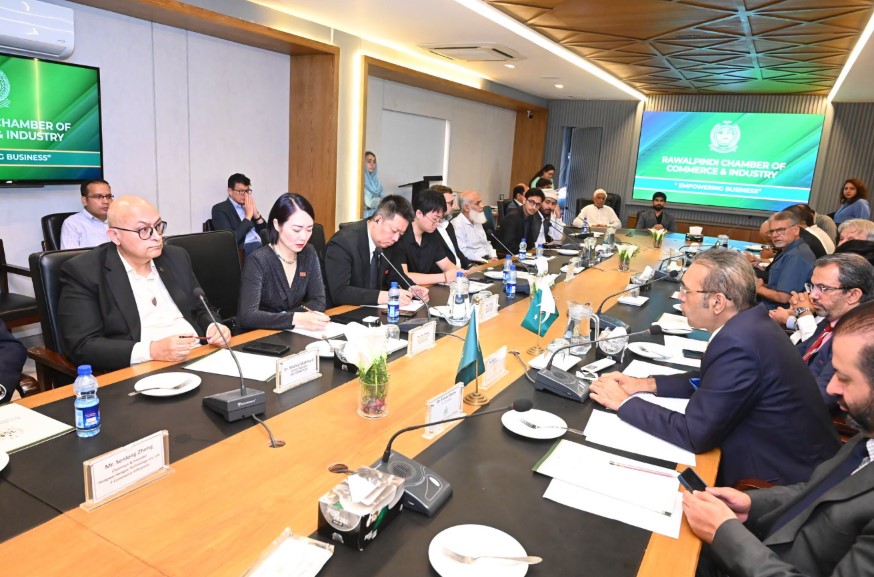
Rawalpindi — The Rawalpindi Chamber of Commerce & Industry (RCCI) hosted a high-level Chinese business delegation at Chamber House for a business-to-business (B2B) collaboration meeting aimed at deepening trade and investment ties between Pakistan and China.
The session was chaired by RCCI President Usman Shaukat, who welcomed the visiting delegation and stressed the importance of expanding bilateral trade and building stronger business-to-business linkages between the two countries.
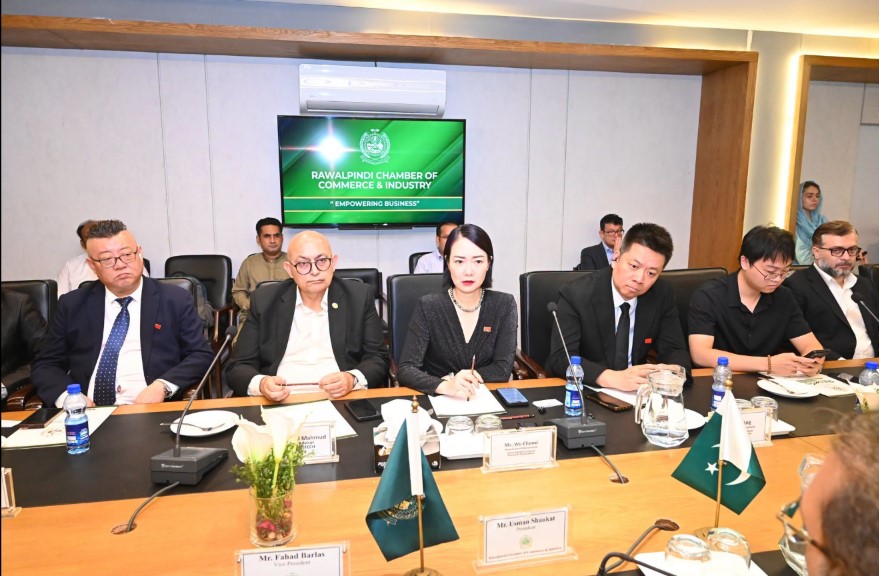
He was joined by RCCI Senior Vice President Khalid Farooq Qazi, Vice President Fahad Barlas, members of the Executive Committee, and representatives from a cross-section of local business sectors.
Chinese Delegation Spans Ten Industries
The visiting delegation was led by Li Ang, Deputy Secretary-General of the China Business Culture Research Association, and included business leaders and experts drawn from a wide range of industries: steel and building materials, renewable energy, electric vehicles, new energy solutions, aviation and the low-altitude economy, agriculture technology, financial services, investment advisory, cultural exchange, and industrial manufacturing.
That breadth of sectors reflects the direction China–Pakistan economic cooperation has been taking over the past year, moving beyond the large-scale infrastructure projects associated with the corridor’s first phase toward technology, industry and private-sector-led investment.
Trade, Investment and Technology on the Agenda
According to RCCI, the meeting served as a platform for exploring trade opportunities, investment partnerships and technology transfer, alongside broader discussion on strengthening economic cooperation between the two countries. Participants from both sides used the session to identify potential areas of collaboration across the sectors represented by the Chinese delegation, from renewable energy and EVs to agri-tech and financial services.
RCCI leadership framed the meeting as part of the chamber’s ongoing effort to connect Rawalpindi’s business community with international partners and attract investment into the region.
Backgrounder: What Is CPEC 2.0?
The meeting comes as Pakistan and China continue rolling out the second phase of the China-Pakistan Economic Corridor (CPEC), widely referred to as CPEC 2.0. CPEC is the roughly $62 billion flagship project of China’s Belt and Road Initiative, designed to connect Pakistan’s Gwadar and Karachi ports to China’s Xinjiang region.
CPEC’s first phase, launched in 2013, was concentrated on large-scale infrastructure: energy projects, roads and port construction aimed at addressing Pakistan’s core infrastructure gaps. That phase formally gave way to CPEC 2.0 at the 14th Joint Cooperation Committee meeting held in Beijing in September 2025, marking a shift toward people-centric development, technological collaboration and regional economic integration.
Officials on both sides describe the new phase as a move from infrastructure toward industrialization. Pakistani officials have said CPEC 2.0 is centered on high-quality development, with expanded cooperation in industrialization, agriculture, mining and minerals, information technology and human resource development, and that the effort is aligned with Pakistan’s broader “5E” development framework covering exports, digital government, climate, energy and equity.
The revamped corridor is also organized around a wider set of priorities. The updated framework is built around five broad corridors — growth, innovation, green development, livelihood and regional connectivity — with the push gaining political momentum around the 75th anniversary of Pakistan-China diplomatic relations. On the investment side, Pakistan has expanded its roster of approved special economic zones from seven to as many as 44, including 37 newly notified zones, through the Board of Investment.
Chinese officials have echoed the shift in emphasis. The Chinese Ambassador to Pakistan has said cooperation under the upgraded second phase of CPEC is expanding into new areas such as agriculture, mining and social development, alongside growing private-sector involvement in exports, value-added industry and human capital development.
Analysts note the transition is still a work in progress. Some commentary frames 2026 as a pivotal year for CPEC’s ability to move from corridor-building to genuine economy-building, describing early results as “optimistically hesitant.” Security and financing pressures remain part of the picture as well, with some infrastructure components, including sections of the ML-1 railway upgrade, reportedly being explored for alternative funding sources such as the Asian Development Bank.
Engagements like this week’s RCCI-hosted B2B meeting reflect how CPEC 2.0’s broader, multi-sector agenda — spanning renewable energy, EVs, agri-tech and manufacturing — is increasingly playing out at the level of chamber-to-chamber and company-to-company contacts, rather than only through government-to-government infrastructure deals.
Why It Matters
For Rawalpindi’s business community, direct engagement with Chinese delegations offers a channel to sectors — renewable energy, electric vehicles, agri-tech, financial services — that are central to where CPEC’s next phase is headed. RCCI’s leadership indicated the chamber intends to keep building on the connections made during the visit as part of its broader push to expand the city’s trade and investment links with China.
[ad_2]
- Asad Gillani is a veteran diplomat with nearly 30 years of service, he takes charge in Beijing,China, at a time when Islamabad and China are further deepening strategic ties ahead of the SCO summit in Bishkek
-
Syed Ali Asad Gillani replaces Ambassador Khalil Hashmi, who has completes his three-year tenure in Beijing,China.
By: Muhammad Arif, Editor NSN.Asia
ISLAMABAD, JUL 26 /NSN/ — Pakistan has appointed seasoned diplomat Ambassador Syed Ali Asad Gillani as its new envoy to China, a move that comes at a pivotal moment as Islamabad and Beijing work to deepen strategic cooperation across diplomacy, defence, trade and regional connectivity.

Pakistan names Syed Ali Asad Gillani as an Envoy To China NSN Asia 2026The appointment places Gillani at the helm of one of Pakistan’s most consequential diplomatic postings, replacing Ambassador Khalil Hashmi, who is expected to return to the Ministry of Foreign Affairs in Islamabad after completing his three-year tenure in Beijing.
-
A Career Diplomat with Deep China Experience
Gillani brings nearly three decades of diplomatic service to the role. He joined Pakistan’s Foreign Service in the 1990s and has since built an extensive career spanning postings across Asia, Europe and the Middle East. Notably, his relationship with China is not new — it stretches back more than twenty years to when he served as Third Secretary at the Pakistani Embassy in Beijing, giving him firsthand familiarity with the bilateral relationship he will now help steer at the ambassadorial level.
Most recently, Gillani held senior leadership positions at the Ministry of Foreign Affairs, serving as Additional Secretary with oversight of key regional diplomatic affairs. He simultaneously served as Director General of the Foreign Service Academy, Pakistan’s premier institution for training career diplomats — a dual role that underscores his standing within the foreign policy establishment.
His academic credentials complement his field experience. Gillani holds a PhD in International Relations from the Middle East Technical University (METU) in Ankara, Türkiye, giving him a scholarly grounding in the discipline alongside decades of practical diplomatic work.
-
A Wide-Ranging Diplomatic Career
Over nearly 30 years in the Foreign Service, Gillani has held a series of high-profile overseas and domestic assignments. His overseas postings include:
- Beijing — Third Secretary
- Geneva — First Secretary
- Tokyo — Counsellor
- Ankara — Minister and Deputy Head of Mission
- Uzbekistan — Pakistan’s Ambassador
During his tenure as Ambassador to Uzbekistan, Gillani played an active role in strengthening bilateral relations, promoting trade and regional connectivity, engaging with the Pakistani diaspora, and participating in Shanghai Cooperation Organisation (SCO) activities — experience that is likely to prove valuable given the SCO’s growing role in regional diplomacy.
At the Foreign Office headquarters in Islamabad, Gillani has also held a range of important positions, including Section Officer, Deputy Director, Director, and Deputy Chief of Protocol, along with senior roles covering political affairs, human resources and multilateral diplomacy.
-
Taking Charge at a Critical Moment for Pakistan-China Ties
Gillani steps into his new role in Beijing at what officials describe as a crucial juncture for bilateral relations. China remains Pakistan’s largest strategic partner, with cooperation extending well beyond traditional diplomacy into defence collaboration, infrastructure development, energy projects, trade, technology, investment and regional security.
The appointment comes as Pakistan and China continue to expand collaboration under the China-Pakistan Economic Corridor (CPEC), the flagship connectivity and infrastructure initiative that has anchored bilateral economic ties for over a decade. Both countries have also been working to strengthen defence cooperation and coordinate closely on regional and global issues amid a rapidly shifting geopolitical landscape.
Gillani’s tenure begins ahead of the upcoming meeting of the Council of Heads of State of the Shanghai Cooperation Organisation (SCO) member states, scheduled to take place in Bishkek on September 1, 2026 — a summit that will bring together SCO leaders, including from China and Pakistan, to discuss regional security, economic cooperation and connectivity issues. Given Gillani’s prior direct engagement with SCO activities during his posting in Uzbekistan, his appointment is seen as well-timed for a period in which multilateral platforms like the SCO are expected to feature prominently in Pakistan-China engagement.
Ambassador Khalil Hashmi assumed his responsibilities as Pakistan’s envoy to the People’s Republic of China on November 11, 2023. Prior to that appointment, he served as Permanent Representative of Pakistan to the United Nations and other International Organizations, as well as to the Conference on Disarmament in Geneva, from November 2019 to November 2023.
Hashmi’s earlier career includes service as Director General for the United Nations, the European Region, and Arms Control, as well as Director for Disarmament Affairs covering India and the South Asian region at the Ministry of Foreign Affairs.
His diplomatic postings have taken him to Pakistan’s embassies in Copenhagen (1999–2002) and Beijing (2008–2010). He also served twice at the Pakistan Mission to the United Nations in New York, first from 2004 to 2007 and again from 2012 to 2016, including a stint as Deputy Permanent Representative.
Hashmi joined the Foreign Service of Pakistan in 1994. Over his career, he has worked extensively on arms control, counter-terrorism, human rights and climate change issues, and has attended numerous international conferences, chaired multilateral meetings, and taken part in a wide range of bilateral and multilateral negotiations. He is expected to take up a new assignment at the Ministry of Foreign Affairs headquarters in Islamabad following his return from Beijing.
-
What the Appointment Signals
Analysts of Pakistan-China relations note that ambassadorial appointments to Beijing are typically closely watched, given the depth and sensitivity of the relationship. Gillani’s combination of early-career China experience, senior policy oversight roles, academic credentials and multilateral exposure through the SCO positions him to manage an increasingly complex bilateral agenda — one that spans economic corridor development, security cooperation, and coordination on regional diplomacy in forums such as the SCO.
With the Bishkek summit approaching in September 2026, Gillani’s early months in Beijing are likely to be shaped in part by preparations for that meeting, alongside the ongoing work of deepening CPEC-related cooperation and managing the broader strategic partnership between the two countries.

This report is based on official statements regarding the appointment. — NSN.Asia
[ad_2]
]]>Two decades ago, getting online in Pakistan meant a screeching dial-up modem, a handful of internet cafés, and a mobile phone that only the privileged few could afford. Today, the country is home to over 100 million mobile broadband users, a fintech ecosystem processing billions of rupees in instant payments, and one of the world’s fastest-growing freelance workforces.
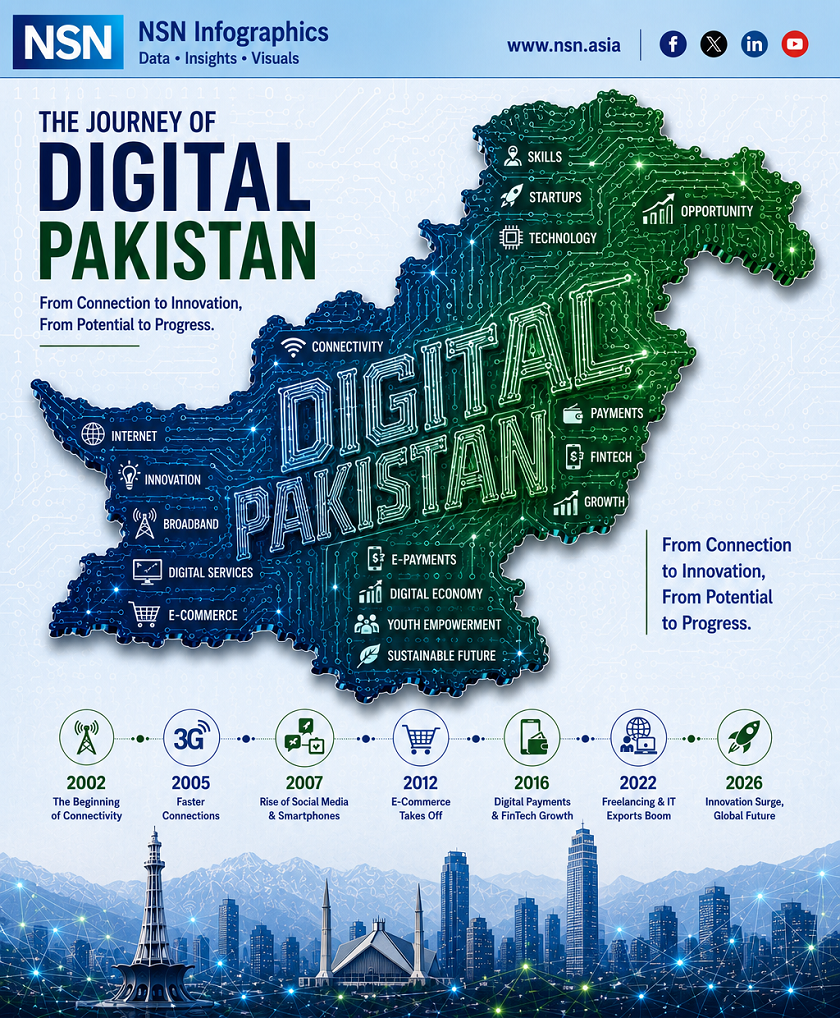
The transformation didn’t happen overnight. It was built policy by policy, auction by auction, and startup by startup — starting with a bold telecom deregulation move in 2002 that set the stage for everything that followed. This article traces the journey of Pakistan’s digital economy from 2002 to 2026, examining the milestones, the numbers, and what lies ahead for one of South Asia’s most dynamic tech markets.
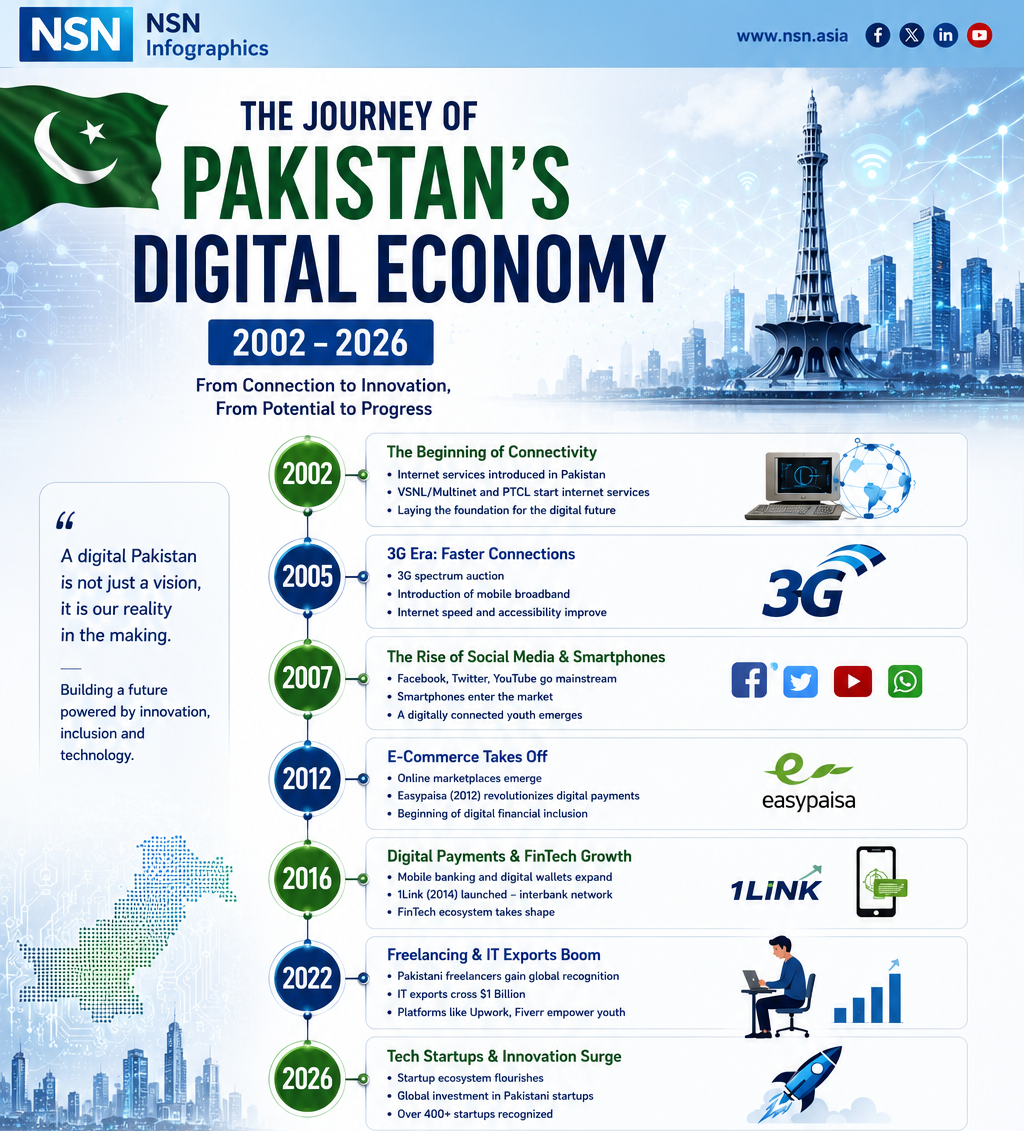
Why Pakistan’s Digital Economy Story Matters
Pakistan is the world’s fifth most populous country, with a median age under 21. That demographic weight, combined with rapidly falling smartphone and data costs, has turned the country into a genuine testing ground for digital-first growth. Understanding how Pakistan got here — and where the gaps remain — offers lessons for other emerging markets navigating the same path from connectivity to a full-fledged digital economy.
2002–2007: The Telecom Deregulation That Started It All
Pakistan’s digital story begins not with an app or a startup, but with a policy decision. In 2002 and 2003, the government deregulated the telecom sector, ending PTCL’s monopoly and opening the mobile market to competition. Companies like Mobilink and Ufone expanded aggressively, and for the first time, owning a mobile phone became realistic for middle-class households rather than a luxury reserved for the elite.
The Pakistan Telecommunication Authority (PTA), empowered during this period, became the regulatory backbone for what would become a rapidly expanding sector. Between 2002 and 2007, mobile teledensity rocketed from roughly 2% to nearly 50% of the population — one of the fastest telecom growth curves in the region at the time.
Internet access during this era was still limited mostly to dial-up and early DSL connections, concentrated in urban centers. But the groundwork — regulatory reform, foreign investment in telecom infrastructure, and a rapidly growing mobile user base — had been laid.
2008–2013: Mobile Broadband and the First Wave of E-Commerce
The next five years were about deepening connectivity. Broadband subscriptions crossed the one-million mark, and internet cafés slowly gave way to home and office connections. Discussions around a 3G/4G spectrum auction began as early as 2008, though political and regulatory delays pushed the actual rollout years down the road.
This period also saw the seeds of Pakistan’s e-commerce sector. Daraz.pk launched in 2012, introducing organized online retail to a market that had largely relied on informal classifieds and word-of-mouth commerce. Meanwhile, banks began experimenting with early digital and branchless banking products, setting up the infrastructure that mobile wallets would later scale dramatically.
2014–2017: The 3G/4G Revolution
If there’s a single inflection point in Pakistan’s digital economy timeline, it’s 2014. That year, the government held its long-awaited 3G/4G spectrum auction, and mobile broadband went live nationwide almost immediately afterward. The effect was immediate and dramatic — smartphone adoption surged as data became affordable and accessible outside major cities for the first time.
This period supercharged two sectors in particular:
- Mobile financial services: Easypaisa and JazzCash scaled rapidly, giving millions of previously unbanked Pakistanis access to digital payments, mobile top-ups, and bill payments through branchless banking agents.
- Freelancing: With reliable mobile internet reaching smaller cities and towns, Pakistani freelancers began tapping into global platforms for software development, design, writing, and virtual assistance work — a trend that would make Pakistan one of the top freelance-exporting countries within a decade.
2018–2020: The Digital Pakistan Policy Era
By 2018, it was clear that ad hoc growth needed a coordinated national strategy. The government launched the “Digital Pakistan” vision, followed by the National Digital Pakistan Policy later that year. The policy framework focused on five pillars: access and connectivity, digital infrastructure, e-government, digital skilling, and innovation and entrepreneurship.
Around the same time, organizations like Ignite (formerly the National ICT R&D Fund) and the Pakistan Software Export Board (PSEB) ramped up support for startups and IT exporters. Fintech licensing reforms from the State Bank of Pakistan (SBP) opened the door for Electronic Money Institutions (EMIs), paving the way for digital-first financial products beyond traditional banking.
By 2019, independent research — including data cited by Payoneer and the Oxford Internet Institute — ranked Pakistan among the top four countries globally for freelance revenue growth, a remarkable outcome for a market that barely had reliable mobile broadband five years earlier.
2020–2022: The Pandemic-Driven Digital Leap
COVID-19 did to Pakistan’s digital economy what years of policy alone could not: it forced rapid, mass adoption. E-commerce platforms saw order volumes spike as lockdowns pushed consumers online. EdTech platforms scaled to keep students learning remotely. Telemedicine, previously a niche offering, became a mainstream necessity almost overnight.
The most consequential infrastructure milestone of this period came in January 2021, when the State Bank of Pakistan launched Raast, the country’s first instant payment system. Raast allowed real-time, low-cost transfers between banks and digital wallets — a foundational piece of infrastructure that fintech companies, e-commerce platforms, and government disbursement programs continue to build on today.
Investor confidence followed the momentum. 2021 became a record-breaking year for Pakistani startups, with venture capital funding crossing roughly $350 million — an unprecedented figure for the local ecosystem, driven by fintech, e-commerce, and logistics startups attracting both regional and global investors.
2022–2024: Fintech Maturity Amid a Global Funding Winter
The global startup funding slowdown that hit markets worldwide in 2022 didn’t spare Pakistan. Venture capital investment cooled significantly compared to the 2021 peak, and several high-profile startups scaled back operations or shut down entirely amid currency devaluation, inflation, and tighter global capital.
But the slowdown in funding didn’t mean a slowdown in usage. Fintech adoption continued to mature, with digital wallets, QR-code payments, and buy-now-pay-later products gaining ground in urban and semi-urban markets. B2B e-commerce — connecting retailers and wholesalers digitally — emerged as a resilient niche even as consumer-facing e-commerce cooled.
On the policy side, the Digital Nation Pakistan Act was passed in 2023, aiming to create a unified digital ID and service delivery framework linked to NADRA’s existing infrastructure. Despite macroeconomic headwinds, IT and IT-enabled services (ITeS) exports continued climbing, underscoring the sector’s relative resilience compared to other parts of the economy.
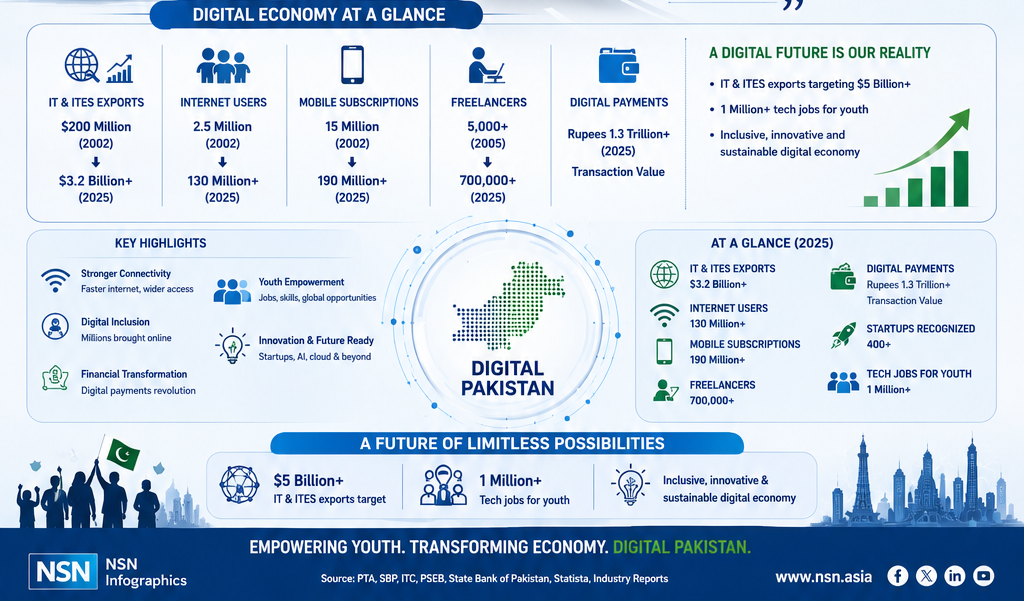
2024–2026 and Beyond: Scaling and Global Integration
Looking at the current phase, Pakistan’s digital economy is shifting focus from raw connectivity growth toward deeper integration and global competitiveness. Key themes shaping this period include:
- 5G groundwork: Trials and spectrum planning discussions are underway, though full commercial rollout timelines continue to be debated against infrastructure and investment constraints.
- AI policy development: A national AI policy framework has been drafted, aiming to position Pakistan for AI-driven services and workforce development.
- IT export ambitions: Industry bodies and government targets point toward significantly higher IT and ITeS export revenue, building on the sector’s status as one of Pakistan’s more reliable sources of foreign exchange.
- Digital and financial inclusion: Continued expansion of Raast, mobile wallet adoption, and government-to-person digital disbursements aim to bring more of the unbanked population into the formal digital economy.
- Regional connectivity: Pakistan is positioning itself as a digital and outsourcing bridge between South Asia, the Gulf, and Central Asia, leveraging its freelance talent pool and growing tech services sector.
The Numbers That Define the Journey
A few statistics capture just how far Pakistan’s digital economy has traveled since 2002:
- Mobile teledensity rose from roughly 2% in 2002 to near-universal penetration today.
- Mobile broadband subscribers now number in the tens of millions, following the 2014 3G/4G rollout.
- Pakistan consistently ranks among the top freelance-earning countries globally, according to multiple industry reports.
- Raast, launched in 2021, has become a core piece of national payments infrastructure.
- Startup funding peaked at roughly $350 million in 2021, before cooling amid the global venture capital slowdown.
Challenges That Still Need Solving
No growth story is without friction, and Pakistan’s digital economy faces real structural challenges:
- The digital gender gap remains significant, with women’s mobile and internet access still trailing men’s in many regions.
- Currency volatility and inflation have made it harder for startups to raise and deploy capital efficiently.
- Cybersecurity and data protection frameworks are still catching up to the pace of digital adoption.
- Rural connectivity gaps persist, meaning the benefits of the digital economy remain unevenly distributed between urban centers and smaller towns.
- Policy consistency across changing governments has occasionally slowed the implementation of otherwise well-designed digital strategies.
What This Means for Businesses and Investors
For businesses, Pakistan’s digital economy represents a market that has moved past the early-adopter phase into genuine mass-market digital behavior — particularly in payments, e-commerce, and remote services. For investors, the story is one of a large, young, increasingly connected population with proven demand for digital financial services, even as near-term capital markets remain cautious.
Freelancers and IT service providers, meanwhile, have arguably been the most consistent beneficiaries of this two-decade transformation, turning Pakistan into a genuine export hub for digital labor even during periods of broader economic uncertainty.
Conclusion: From Connectivity to a Digital Economy
Pakistan’s digital economy didn’t emerge from a single breakthrough — it was built in stages: deregulation opened the door in 2002, mobile broadband widened it in 2014, policy frameworks structured it from 2018 onward, and the pandemic forced mass adoption between 2020 and 2022. Each phase built on the last, and each came with its own set of winners, setbacks, and lessons.
As Pakistan moves through 2026 and beyond, the focus is shifting from simply getting people online to building the deeper infrastructure — 5G, AI policy, digital ID systems, and export-oriented IT growth — that will determine whether the country’s digital economy can scale from a regional success story into a genuinely global one.
]]>Pakistan brings together around 180 delegates representing nearly 160 Chinese pharmaceutical and healthcare companies.
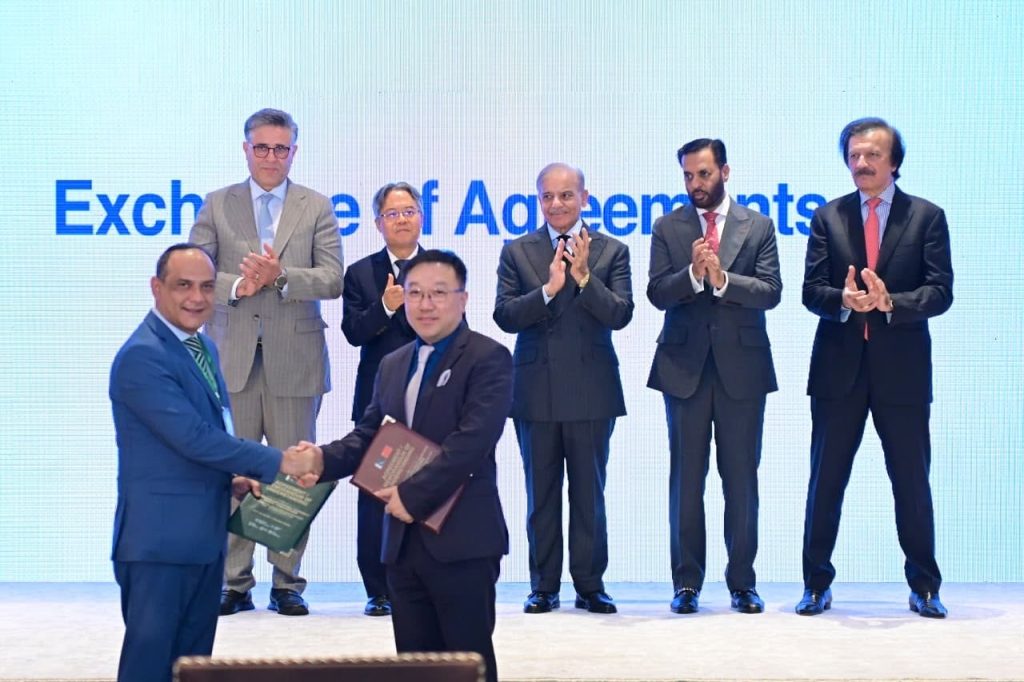
ISLAMABAD: Pakistan and China have opened a new chapter in their strategic partnership as the Pakistan–China Pharmaceutical & Healthcare B2B Investment Conference 2026 concluded in Islamabad with landmark investment commitments, business agreements, and a shared vision to transform Pakistan into a regional pharmaceutical and healthcare manufacturing hub.
The conference marked one of the largest bilateral healthcare investment events ever held between the two countries, bringing together around 180 delegates representing nearly 160 Chinese pharmaceutical and healthcare companies alongside more than 340 Pakistani enterprises from the pharmaceutical, biotechnology, medical devices, diagnostics, and healthcare sectors.
The event concluded with 16 commercial agreements, approximately 80 Memorandums of Understanding (MoUs), and investment commitments valued at around US$850 million, signaling growing confidence among Chinese investors in Pakistan’s healthcare industry and highlighting healthcare as a strategic pillar of China–Pakistan Economic Corridor (CPEC) Phase II.
A New Phase of Pakistan–China Cooperation
For more than a decade, CPEC has transformed Pakistan’s infrastructure through highways, energy projects, Gwadar Port development, and industrial connectivity. The outcomes of the 2026 Pharmaceutical & Healthcare B2B Investment Conference demonstrate that bilateral cooperation is now entering a more knowledge-intensive and technology-driven phase.
Pakistani participants included pharmaceutical manufacturers, biotechnology companies, hospitals, research institutions, investors, exporters, distributors, and healthcare innovators.
The extensive participation reflected growing confidence in Pakistan’s pharmaceutical sector and its long-term investment potential.
Key Outcomes of the Conference
Among the most significant achievements were:
• 16 commercial agreements signed
• Around 80 MoUs concluded
• Approximately US$850 million in expected investment
• New pharmaceutical manufacturing partnerships
• API production projects
• Vaccine manufacturing cooperation
• Medical device production initiatives
• Joint biotechnology ventures
• Research collaborations
• Technology transfer agreements
• Market access cooperation
• Export partnerships
Industry representatives indicated that several investment projects could begin implementation within the next two years, subject to regulatory approvals.
Healthcare: The New Frontier of CPEC 2.0
The conference clearly demonstrated that healthcare is becoming one of the defining sectors of CPEC Phase II.
While the first phase of CPEC concentrated on physical infrastructure, the second phase emphasizes industrial cooperation, innovation, advanced manufacturing, agriculture, digital economy, green development, and healthcare.
Healthcare cooperation under CPEC 2.0 is expected to include:
• Local pharmaceutical manufacturing
• API localization
• Vaccine production
• Biotechnology research
• Medical device manufacturing
• AI-powered healthcare
• Telemedicine
• Smart hospitals
• Clinical research
• Regulatory cooperation
• Human resource development
• Pharmaceutical exports
Together, these initiatives align with China’s broader vision of the Health Silk Road, which promotes international collaboration in public health, medical innovation, and healthcare resilience.
Why API Manufacturing Matters
Pakistan currently produces the majority of its finished medicines domestically but remains heavily dependent on imported Active Pharmaceutical Ingredients (APIs).
This dependence increases production costs and exposes the healthcare sector to global supply-chain disruptions.
Chinese investment in API manufacturing can help:
• Reduce import dependence
• Improve medicine affordability
• Enhance pharmaceutical security
• Strengthen industrial competitiveness
• Increase export capacity
• Create skilled employment
Localization of API production is widely regarded as one of Pakistan’s most important industrial priorities.
Technology Transfer and Innovation
Beyond investment, one of the conference’s greatest long-term benefits lies in technology transfer.
Chinese pharmaceutical companies possess advanced expertise in:
• Biotechnology
• Vaccine development
• Precision manufacturing
• Pharmaceutical automation
• Quality assurance
• Medical equipment
• AI-assisted drug discovery
• Digital health systems
Partnerships with Pakistani companies can accelerate modernization of the country’s pharmaceutical industry while enhancing international competitiveness.
Opportunities for Pakistani Companies
The conference created significant opportunities for Pakistani businesses.
Potential benefits include:
• Joint ventures with Chinese manufacturers
• Access to modern production technologies
• Entry into Chinese markets
• Export diversification
• Research collaboration
• Workforce training
• Improved regulatory compliance
• Increased foreign direct investment
These developments can strengthen Pakistan’s pharmaceutical ecosystem while improving integration into regional value chains.
Supporting Pakistan’s Healthcare Security
The COVID-19 pandemic demonstrated the importance of resilient domestic pharmaceutical and vaccine production.
The new Pakistan–China healthcare partnership supports national health security by promoting local production of:
• Essential medicines
• Vaccines
• Diagnostic products
• Medical devices
• Emergency healthcare supplies
Greater domestic manufacturing capacity will help Pakistan respond more effectively to future public health emergencies.
Employment and Industrial Growth
Investment commitments announced during the conference are expected to generate thousands of skilled employment opportunities.
Growth areas include:
• Pharmaceutical engineering
• Biomedical sciences
• Biotechnology
• Research laboratories
• Clinical trials
• Manufacturing
• Quality assurance
• Healthcare logistics
• Medical technology
• Regulatory affairs
Gateway to Regional Markets
Pakistan’s strategic geographic location offers Chinese investors an attractive manufacturing base serving multiple regions.
Products manufactured through Pakistan–China joint ventures could potentially reach markets across:
• South Asia
• Central Asia
• West Asia
• The Middle East
• Africa
Combined with preferential trade arrangements and improving logistics infrastructure under CPEC, Pakistan could become an important regional pharmaceutical export platform.
Strengthening the Health Silk Road
Healthcare cooperation also contributes to the broader vision of the Health Silk Road, an important component of Belt and Road cooperation focused on:
• Public health collaboration
• Medical innovation
• Healthcare infrastructure
• Disease prevention
• Pharmaceutical cooperation
• Medical education
• Digital health
• Emergency preparedness
Pakistan’s growing role within this framework could position the country as a leading healthcare partner for the Global South.
Challenges Ahead
While the conference achieved significant progress, successful implementation will require continued efforts to:
• Streamline regulatory approvals.
• Improve ease of doing business.
• Strengthen intellectual property protection.
• Expand industrial infrastructure.
• Enhance pharmaceutical quality standards.
• Develop specialized human resources.
• Ensure consistent policy support.
• Facilitate financing for industrial projects.
Effective coordination between government agencies and the private sector will be essential to convert signed agreements into operational investments.
Strategic Significance
The conference represents far more than a business networking event.
It signals a strategic evolution of Pakistan–China cooperation from infrastructure-led development toward innovation-driven industrial partnerships.
Healthcare has emerged as one of the most promising sectors capable of delivering economic growth, technological advancement, healthcare resilience, export expansion, and sustainable development.
As CPEC enters its second phase, pharmaceuticals and healthcare are poised to become flagship sectors alongside digital economy, green energy, agriculture, and advanced manufacturing.
Looking Ahead
The Pakistan–China Pharmaceutical & Healthcare B2B Investment Conference 2026 has laid a strong foundation for long-term cooperation in one of the world’s fastest-growing industries.
If the announced investments are implemented successfully, Pakistan could significantly reduce dependence on imported pharmaceutical raw materials, attract advanced manufacturing technologies, expand exports, strengthen healthcare security, and create thousands of high-value jobs.
More importantly, the conference demonstrates that healthcare is becoming a new frontier of cooperation under CPEC 2.0, reflecting the evolving priorities of both nations as they work together to build resilient industries, promote innovation, and improve the well-being of their peoples.
With investment commitments, technology partnerships, research collaboration, and expanding market access, the conference may well be remembered as the moment when Pakistan and China began shaping the next generation of their strategic partnership—one centered not only on connectivity and infrastructure, but also on health, innovation, and shared prosperity.
The expansion of these industries will also encourage collaboration between universities, research institutes, and the private sector.
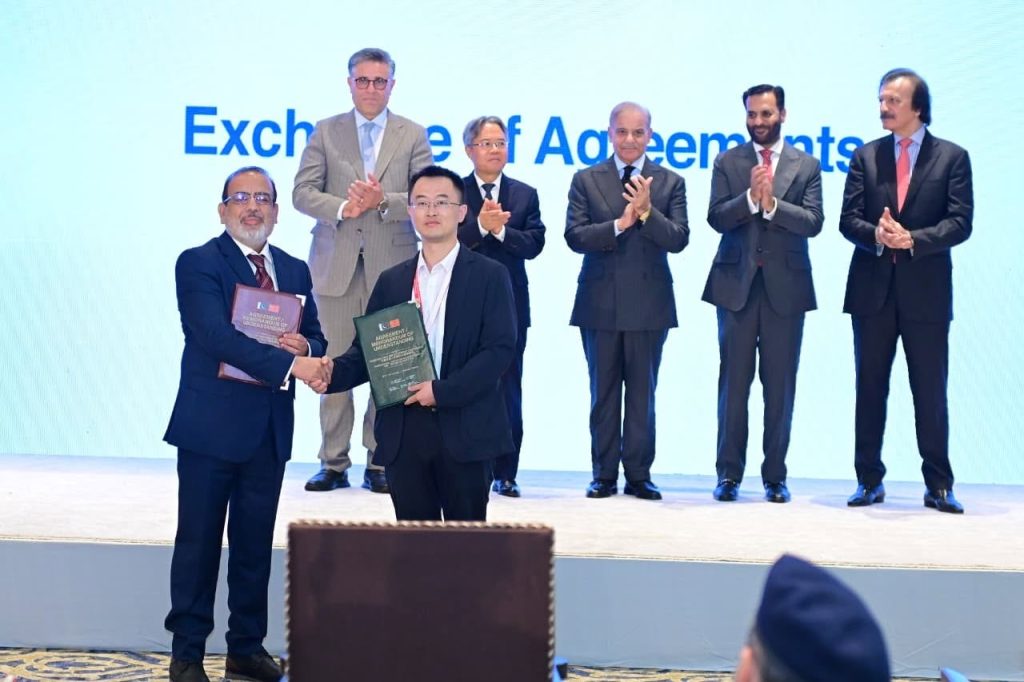
Healthcare, pharmaceuticals, biotechnology, vaccines, medical devices, artificial intelligence in healthcare, and biomedical research are emerging as new engines of economic cooperation.
This transition reflects both countries’ commitment to industrial modernization, supply chain resilience, innovation, and sustainable development while strengthening healthcare security across the region.
Prime Minister Shehbaz Sharif: CPEC 2.0 Expands into Healthcare
Addressing the conference, Prime Minister Shehbaz Sharif described the event as another milestone in the Pakistan–China All-Weather Strategic Cooperative Partnership and emphasized that healthcare and pharmaceutical manufacturing have become priority sectors under CPEC 2.0.
The Prime Minister welcomed the strong participation of Chinese enterprises and said the agreements signed during the conference would promote industrial cooperation, technology transfer, pharmaceutical manufacturing, vaccine production, and research partnerships.
He noted that Pakistan possesses enormous potential to become a regional center for pharmaceutical production and stressed that collaboration with Chinese companies would strengthen local manufacturing capabilities, improve healthcare services, and expand exports.
The Prime Minister also reaffirmed Pakistan’s unwavering commitment to protecting Chinese nationals working in the country, stating that their security remains a top national priority.
Chinese Ambassador Jiang Zaidong: Expanding Industrial Partnership
Chinese Ambassador Jiang Zaidong reaffirmed China’s commitment to expanding bilateral investment and industrial cooperation.
He said the Chinese Embassy would continue facilitating partnerships between enterprises from both countries and expressed confidence that business collaboration in pharmaceuticals and healthcare would inject new momentum into bilateral economic relations.
Ambassador Jiang highlighted China’s growing openness to Pakistani pharmaceutical products, noting that dozens of Pakistani medicines have already entered the Chinese market. He encouraged Pakistani manufacturers to further improve quality standards and expand exports to China and other Belt and Road partner countries.
Record Business Participation
The conference demonstrated unprecedented private-sector engagement.
Chinese companies represented sectors including:
• Pharmaceutical manufacturing
• Active Pharmaceutical Ingredients (APIs)
• Biotechnology
• Vaccines
• Medical equipment
• Hospital technologies
• Digital healthcare
• Diagnostics
• Research and development
• Healthcare logistics
Mehran University Receives 164 Books Under Japan’s READ JAPAN Project.
JAMSHORO (NSN) — Mehran University of Engineering and Technology (MUET), Jamshoro, has received a significant donation of 164 books under the internationally recognized READ JAPAN Project of the Tokyo Foundation, marking another milestone in educational and cultural cooperation between Japan and Pakistan.
The book donation ceremony highlighted the shared commitment of both countries to promoting knowledge, research, and cross-cultural understanding through academic collaboration. The initiative is expected to enrich the university’s library resources and provide students and faculty with greater access to contemporary scholarship, Japanese studies, international affairs, public policy, economics, technology, and cultural studies.
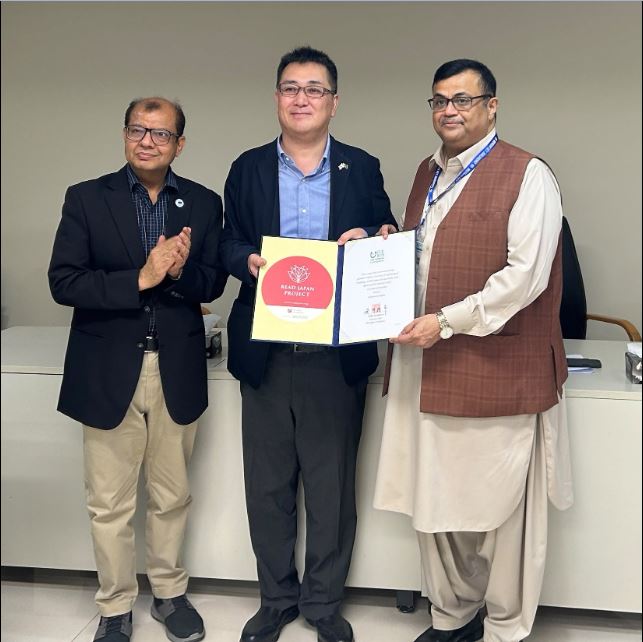
Acting Consul General of Japan Tamura Takahiro emphasized the enduring value of reading and expressed hope that the READ JAPAN Initiative would encourage university students to reconnect with books as an important and reliable source of knowledge and information.
“I sincerely hope the READ JAPAN Initiative will enable university students to reconnect with book reading as a valuable information source,” he said during the ceremony.

University officials welcomed the donation, describing it as a valuable contribution to academic excellence and intellectual development at MUET. They noted that the books would support students’ learning, broaden their global perspectives, and strengthen research opportunities across multiple disciplines.
The university also expressed gratitude to the Nippon Foundation for providing the financial support for the initiative and to the Tokyo Foundation for coordinating the project efficiently and ensuring the timely delivery of the collection.

Strengthening Educational Cooperation Between Japan and Pakistan
The donation reflects the growing educational partnership between Japan and Pakistan, which has expanded steadily over the years through scholarships, academic exchanges, technical cooperation, and cultural initiatives.
Japan has long been a key development partner for Pakistan, supporting projects in education, infrastructure, health, disaster management, and human resource development. Educational collaboration has become an increasingly important pillar of bilateral relations, with both countries recognizing the role of universities and research institutions in fostering innovation and mutual understanding.
Officials at the ceremony said that initiatives such as READ JAPAN create opportunities for students to engage with international ideas, explore comparative perspectives, and develop a deeper understanding of global issues. Such exposure is particularly valuable for young scholars preparing to work in an increasingly interconnected world.
Background: What Is the READ JAPAN Project?
The READ JAPAN Project is a global initiative administered by the Tokyo Foundation with financial support from the Nippon Foundation. The program aims to promote a deeper understanding of Japan by donating books to universities, libraries, and research institutions around the world.
Through the initiative, institutions receive carefully selected collections covering subjects such as:
Japanese politics and governance
International relations
Economics and business
Science and technology
History and culture
Public policy
Society and contemporary issues
The project seeks to encourage informed discussions about Japan and strengthen intellectual connections between Japanese scholars and academic communities in other countries. Since its launch, the READ JAPAN Project has distributed thousands of books to institutions across Asia, Europe, Africa, the Americas, and the Middle East.
For universities in developing countries, the initiative provides access to high-quality academic resources that may otherwise be difficult to obtain. The program also supports the broader goal of promoting international dialogue through education and research.
Importance of Reading in the Digital Age
The remarks by Acting Consul General Tamura Takahiro drew attention to a growing global concern: the declining habit of reading among young people in the age of digital media and social networking.
Educators worldwide have increasingly emphasized the importance of sustained reading for developing critical thinking, analytical skills, creativity, and informed decision-making. Unlike the rapid consumption of information through short-form digital content, books provide depth, context, and nuanced understanding of complex subjects.
At universities, strong reading habits are closely linked to academic performance, research quality, and intellectual growth. By expanding library collections and encouraging students to engage with books, institutions can help cultivate a stronger culture of inquiry and lifelong learning.
MUET officials said the newly donated books would serve as a valuable resource for students seeking deeper knowledge beyond classroom lectures and online materials.
Cultural Exchange Through Books
Books have long served as bridges between societies, allowing readers to understand different cultures, histories, and ways of thinking. The READ JAPAN donation is expected to contribute to greater cultural awareness among Pakistani students by introducing them to diverse aspects of Japanese society and scholarship.
Educational experts note that such exchanges can play an important role in strengthening people-to-people relations. Students who gain exposure to international perspectives are often better equipped to collaborate across borders, pursue higher education abroad, and contribute to global research networks.
For Japan, cultural diplomacy initiatives like READ JAPAN help build long-term relationships with future leaders, researchers, and professionals in partner countries. For Pakistan, access to international academic resources supports the development of a more globally connected higher education system.
Mehran University’s Academic Mission
Mehran University of Engineering and Technology, located in Jamshoro, is one of Pakistan’s leading public-sector universities specializing in engineering, technology, and applied sciences. The university has played a significant role in producing engineers, researchers, and professionals who contribute to Pakistan’s industrial and technological development.
By receiving the READ JAPAN collection, MUET further strengthens its academic resources and enhances opportunities for interdisciplinary learning. University administrators said the books would be integrated into the library system and made accessible to students, faculty members, and researchers.
They also expressed hope that the initiative would encourage greater academic collaboration with Japanese institutions in the future, including research partnerships, faculty exchanges, and student engagement programs.
Looking Ahead
The donation of 164 books to Mehran University under the READ JAPAN Project represents more than a simple addition to a library collection. It symbolizes a shared commitment by Japan and Pakistan to invest in education, knowledge exchange, and cultural understanding.
As universities around the world seek to prepare students for the challenges of the 21st century, initiatives that promote reading, research, and international connectivity have become increasingly important. The collaboration between the Tokyo Foundation, the Nippon Foundation, and Mehran University demonstrates how educational partnerships can create lasting benefits for students and society.
With the new collection now available at MUET, students and researchers will have greater opportunities to explore Japanese scholarship, broaden their intellectual horizons, and strengthen their understanding of global issues. The initiative is expected to inspire a renewed appreciation for books as a powerful source of knowledge, learning, and cross-cultural connection — reinforcing the growing educational partnership between Japan and Pakistan for years to come.
]]>By Muhammad Arif, Editor NSN.Asia
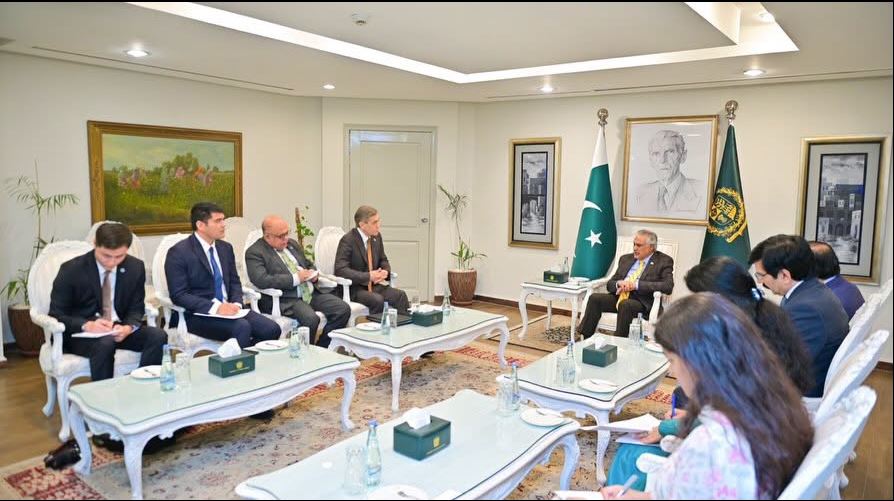
ISLAMABAD (NSN) — Deputy Prime Minister and Foreign Minister Senator Mohammad Ishaq Dar on Wednesday received Secretary-General of the Shanghai Cooperation Organization (SCO), Nurlan Yermekbayev, for wide-ranging discussions on strengthening regional cooperation, economic connectivity, and preparations for Pakistan’s upcoming leadership role within the organization.
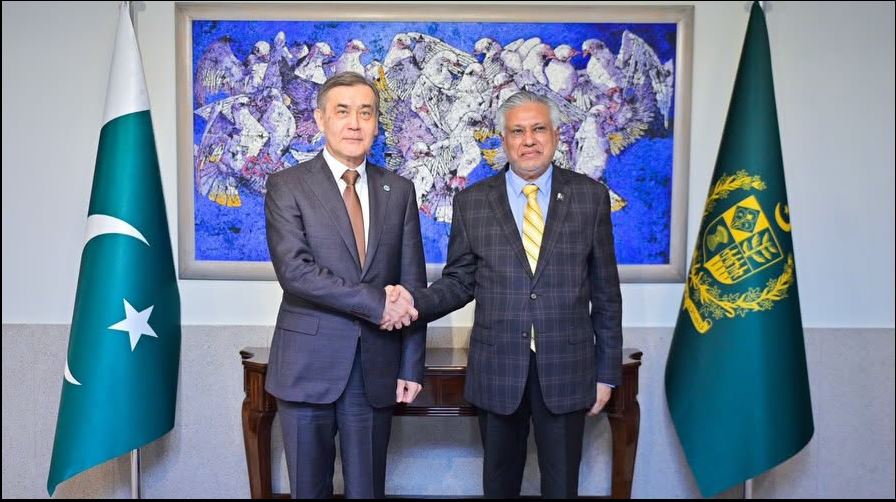
The meeting underscored Pakistan’s growing engagement with one of the world’s largest regional organizations at a time when Islamabad is preparing to assume the Chairmanship of the SCO Council of Heads of State (CHS) in September 2026 and host the SCO Summit in 2027.
According to official sources, both sides held a productive exchange on the SCO’s priorities and explored practical ways to deepen cooperation among member states in key sectors, including trade, transport, connectivity, regional integration, and sustainable economic development.
The discussions also covered important regional and international developments affecting Eurasia and neighboring regions, reflecting the SCO’s increasing role in promoting dialogue, stability, and cooperative security.
Secretary-General Nurlan Yermekbayev appreciated Pakistan’s constructive contributions toward regional peace, stability, and multilateral cooperation. He acknowledged Islamabad’s active participation in SCO initiatives and highlighted the country’s important role in advancing regional connectivity and dialogue among member states.
During the meeting, the SCO Secretary-General also shared his perspectives on enhancing the organization’s institutional effectiveness and operational efficiency. He briefed the Deputy Prime Minister on preparations for the forthcoming SCO Council of Foreign Ministers (CFM) Meeting scheduled to be held in Bishkek, Kyrgyzstan.
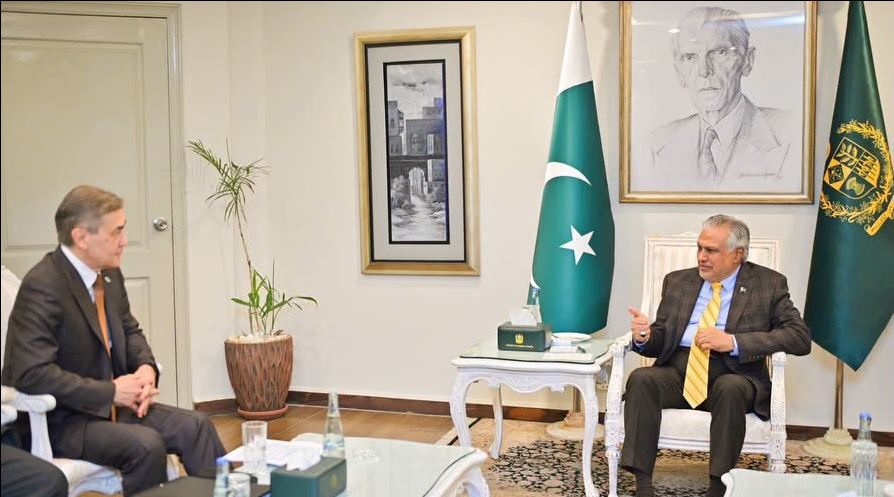
Deputy Prime Minister Ishaq Dar reaffirmed Pakistan’s unwavering commitment to advancing the objectives and principles of the Shanghai Cooperation Organization. He emphasized Pakistan’s readiness to work closely with all SCO member states in preparation for assuming the Chairmanship of the Council of Heads of State in September 2026 and successfully hosting the SCO Summit in 2027.
The meeting reflected Pakistan’s continued commitment to multilateral diplomacy and its strategic vision of promoting peace, connectivity, economic cooperation, and sustainable development across the wider Eurasian region.
Background: What is the Shanghai Cooperation Organization (SCO)?
The Shanghai Cooperation Organization is one of the world’s largest regional intergovernmental organizations, representing nearly half of the global population and a substantial share of the world’s economic output and landmass.
Established in 2001, the SCO evolved from the “Shanghai Five” mechanism, originally created to build confidence and resolve border issues among neighboring countries. Over the past two decades, the organization has transformed into a comprehensive platform addressing regional security, economic cooperation, trade facilitation, transportation, energy collaboration, cultural exchanges, digital transformation, and people-to-people connectivity.
The SCO currently includes:
- China
- Russia
- Pakistan
- India
- Kazakhstan
- Kyrgyzstan
- Tajikistan
- Uzbekistan
- Iran
- Belarus
The organization also maintains dialogue partnerships and observer relationships with numerous countries across Asia, the Middle East, and beyond, expanding its influence as an important Eurasian institution.
The SCO operates on the principles commonly referred to as the “Shanghai Spirit,” emphasizing:
- Mutual trust
- Mutual benefit
- Equality
- Consultation
- Respect for cultural diversity
- Pursuit of common development
These principles have enabled member states with diverse political systems, economic structures, and strategic interests to cooperate on shared regional priorities.
Pakistan’s Growing Role in the SCO
Pakistan became a full member of the Shanghai Cooperation Organization in 2017, marking a significant milestone in the country’s regional diplomacy.
Since joining the organization, Pakistan has actively participated in SCO ministerial meetings, security cooperation mechanisms, economic forums, cultural exchanges, and connectivity initiatives.
Islamabad views the SCO as an important platform for:
- Strengthening regional peace and stability
- Promoting economic integration
- Expanding trade with Eurasian markets
- Enhancing transport corridors
- Advancing energy cooperation
- Combating terrorism, extremism, and transnational crime
- Encouraging scientific, educational, and technological collaboration
Pakistan’s strategic geographic location makes it a natural bridge connecting South Asia, Central Asia, Western China, and the Middle East. This position aligns closely with the SCO’s long-term vision of improving regional connectivity through modern transportation networks and trade corridors.
Projects linked to the China-Pakistan Economic Corridor (CPEC), regional railway initiatives, digital connectivity, logistics infrastructure, and cross-border trade continue to reinforce Pakistan’s importance within the broader SCO framework.
Significance of Pakistan Assuming the SCO Chairmanship in 2026
Pakistan is scheduled to assume the Chairmanship of the SCO Council of Heads of State (CHS) in September 2026.
The Chairmanship represents one of the highest leadership responsibilities within the organization and provides Pakistan with an opportunity to shape the agenda of the SCO during its tenure.
As Chair, Pakistan will coordinate consultations among member states, facilitate consensus-building, oversee preparations for major meetings, and advance initiatives related to economic cooperation, regional connectivity, sustainable development, digital transformation, climate resilience, energy security, and cultural exchanges.
The Chairmanship will also allow Pakistan to highlight its vision for greater regional integration while promoting dialogue among member countries on shared challenges and emerging opportunities.
Diplomatic observers view the Chairmanship as an opportunity for Islamabad to strengthen its profile as an active stakeholder in Eurasian affairs and reinforce its commitment to multilateral diplomacy.
Pakistan to Host the SCO Summit in 2027
One of the most significant outcomes of Pakistan’s Chairmanship will be hosting the SCO Council of Heads of State Summit in 2027.
The summit will bring together Heads of State and Government from member countries, senior ministers, international organizations, and high-level delegations for discussions on regional cooperation and global challenges.
Hosting the summit is expected to provide Pakistan with several strategic advantages.
Diplomatically, the event will place Pakistan at the center of regional engagement by welcoming leaders representing some of the world’s largest economies and fastest-growing markets.
Economically, the summit could stimulate discussions on trade facilitation, investment, regional infrastructure, logistics, digital connectivity, transport corridors, and sustainable development initiatives.
The summit is also expected to showcase Pakistan’s hospitality, organizational capacity, security arrangements, and commitment to constructive regional cooperation.
In addition, the event is likely to attract significant international media attention, providing an opportunity to project Pakistan’s economic potential, investment opportunities, tourism, and strategic importance within Eurasia.
SCO’s Expanding Importance in a Changing Global Landscape
The Shanghai Cooperation Organization has steadily evolved into an influential platform addressing both traditional and emerging challenges.
Beyond security cooperation, member states increasingly focus on economic resilience, supply chain connectivity, digital innovation, climate adaptation, energy security, public health cooperation, food security, and sustainable infrastructure.
As geopolitical dynamics continue to evolve across Eurasia, the SCO offers an important forum where member countries can engage through dialogue rather than confrontation.
For Pakistan, active engagement within the organization complements its broader foreign policy objectives of maintaining balanced relations, promoting regional peace, encouraging economic diplomacy, and expanding partnerships with neighboring countries.
Looking Ahead
The meeting between Deputy Prime Minister and Foreign Minister Senator Mohammad Ishaq Dar and SCO Secretary-General Nurlan Yermekbayev highlighted the growing momentum in Pakistan’s engagement with the Shanghai Cooperation Organization.
With preparations underway for the upcoming Council of Foreign Ministers Meeting in Bishkek, Pakistan is entering a crucial phase as it prepares to assume the Chairmanship of the SCO Council of Heads of State in September 2026 and host the landmark SCO Summit in 2027.
These milestones present Islamabad with a unique opportunity to contribute to shaping the future direction of one of the world’s most influential regional organizations while advancing cooperation in connectivity, trade, infrastructure, sustainable development, regional peace, and shared prosperity.
As Pakistan works closely with fellow SCO member states, its leadership during the forthcoming Chairmanship is expected to reinforce the country’s commitment to constructive multilateral engagement and strengthen the organization’s role as a platform for dialogue, regional integration, and collective development across Eurasia.
]]>
Pakistan hosts foreign ministers of Saudi Arabia, Egypt and Turkey for meeting in Islamabad to investigate halt escalation in Middle East
The ongoing conflict triggered by United States and Israeli military actions against Iran has pushed the Middle East into one of its most dangerous phases in decades. What began as a strategic offensive in late February 2026 has evolved into a multi-layered regional crisis involving missile strikes, maritime insecurity, and the risk of a wider war. Amid this volatile environment, Pakistan has emerged as a key diplomatic actor, positioning itself as a mediator and facilitator of peace. The hosting of foreign ministers from Saudi Arabia, Egypt, and Turkey in Islamabad marks a significant step in this direction, reflecting Pakistan’s growing relevance in crisis diplomacy.
Escalation and Regional Fallout
The conflict has already inflicted heavy damage, with thousands reported dead and critical infrastructure in Iran targeted through sustained airstrikes. The situation has further escalated with the involvement of regional actors such as Yemen’s Houthi forces, who have launched missile and drone attacks against Israeli targets, widening the conflict’s geographic scope.
Equally concerning is the disruption of global energy and trade routes. The Strait of Hormuz—one of the world’s most vital oil chokepoints—has been severely affected, raising fears of a global economic shock. The United States has reportedly deployed additional military assets to the region, with speculation of a possible ground offensive further intensifying tensions.
Against this backdrop, the urgency for diplomatic intervention has become critical, opening space for regional actors like Pakistan to play a constructive role.
Islamabad as a Diplomatic Hub
Pakistan’s decision to host high-level talks involving Saudi Arabia, Turkey, and Egypt signals its intent to transform Islamabad into a center for peace negotiations. The two-day meeting brings together influential Muslim-majority countries with stakes in regional stability, aiming to craft a coordinated response to the crisis.
The presence of key diplomats—including Saudi Foreign Minister Prince Faisal bin Farhan, Turkish Foreign Minister Hakan Fidan, and Egyptian Foreign Minister Badr Abdelatty—highlights the seriousness of the initiative. These discussions are focused on de-escalation, ceasefire prospects, and creating pathways for direct dialogue between the United States and Iran.
Pakistan’s Foreign Minister, Ishaq Dar, has engaged in extensive bilateral consultations, emphasizing restraint and the need for diplomacy over military confrontation. The Islamabad meeting is widely seen as part of a broader multinational effort to prevent further escalation and stabilize the region.
Pakistan as a Mediator Between Adversaries
One of Pakistan’s most significant contributions lies in its unique diplomatic positioning. Unlike many countries, Pakistan maintains working relations with both Iran and key US allies such as Saudi Arabia. This allows Islamabad to function as a bridge between opposing camps.
Pakistan has already been involved in “shuttle diplomacy,” conveying messages between Washington and Tehran. Reports indicate that Islamabad has even been considered as a potential venue for direct US–Iran negotiations, underscoring international confidence in its neutrality.
Moreover, Pakistan has reportedly played a role in preventing further escalation by urging restraint from all sides. In one instance, mediation efforts contributed to the temporary removal of Iranian officials from potential targeting lists, preserving diplomatic channels.
Strategic Motivations Behind Pakistan’s Role
Pakistan’s peace efforts are not purely altruistic; they are deeply rooted in its national interests. The country faces significant economic and security risks from prolonged instability in the Middle East.
First, Pakistan is heavily dependent on energy imports routed through the Strait of Hormuz. Any disruption directly affects its economy, leading to fuel shortages and inflationary pressures.
Second, Pakistan shares a long border with Iran, making it vulnerable to spillover effects such as refugee flows, cross-border militancy, and sectarian tensions. Internal protests and unrest linked to the conflict have already been reported, reflecting the domestic impact of the crisis.
Third, Pakistan must carefully balance its relations with Saudi Arabia—its long-standing ally—and Iran, its neighbor. The 2025 Pakistan–Saudi Strategic Mutual Defence Agreement adds complexity, as Islamabad must avoid being drawn into a broader military confrontation while maintaining its commitments.
Thus, Pakistan’s diplomatic activism is driven by a combination of strategic necessity and geopolitical opportunity.
A Coordinated Muslim World Response
The Islamabad meeting also reflects a broader trend: the emergence of a coordinated diplomatic effort among Muslim-majority countries. Saudi Arabia, Turkey, and Egypt—each with significant regional influence—are working alongside Pakistan to create a unified platform for de-escalation.
This collective approach is important for several reasons. It enhances the legitimacy of peace efforts, reduces fragmentation in the Muslim world’s response, and increases pressure on conflicting parties to engage in dialogue. Turkish officials, for instance, have emphasized the urgency of actionable strategies to end the war and protect critical trade routes.
By hosting these talks, Pakistan is not only facilitating diplomacy but also strengthening multilateral cooperation among key regional actors.
Challenges and Limitations
Despite its proactive role, Pakistan faces significant challenges in achieving tangible outcomes. One major limitation is the absence of direct representation from the primary belligerents—the United States, Israel, and Iran—in the Islamabad talks. Without their direct participation, the effectiveness of any proposals remains uncertain.
Additionally, deep mistrust between Washington and Tehran complicates mediation efforts. Iran has expressed skepticism toward US intentions, particularly amid reports of potential ground operations.
There is also the broader geopolitical context to consider. External powers, including Russia and China, as well as regional actors like the Gulf states, have their own strategic interests, which may not always align with Pakistan’s mediation efforts.
Opportunities for Pakistan’s Global Standing
Despite these challenges, Pakistan’s diplomatic initiative offers significant opportunities. Successfully facilitating dialogue—even indirectly—could enhance its international reputation as a responsible and constructive actor in global affairs.
Historically, Pakistan has played mediation roles in various conflicts, but the scale and stakes of the current crisis provide a unique opportunity to elevate its diplomatic profile. Hosting high-level talks and engaging multiple stakeholders positions Islamabad as a credible venue for conflict resolution.
Furthermore, this role aligns with Pakistan’s broader foreign policy objective of promoting regional stability while avoiding direct military involvement. Analysts have described this approach as “limited alignment without military entanglement,” allowing Pakistan to maintain strategic flexibility.

Conclusion
In the face of escalating tensions following US–Israel actions against Iran, Pakistan has stepped forward as a key diplomatic intermediary. By hosting foreign ministers from Saudi Arabia, Egypt, and Turkey, Islamabad has created a platform for coordinated regional efforts aimed at de-escalation and dialogue.
While the road to peace remains uncertain, Pakistan’s role underscores the importance of middle-power diplomacy in managing global crises. Its ability to balance relationships, facilitate communication, and mobilize regional actors places it at the center of ongoing peace efforts.
Ultimately, whether these initiatives succeed will depend on the willingness of the primary parties to engage in meaningful negotiations. However, Pakistan’s proactive stance demonstrates that even in the midst of conflict, diplomacy remains a vital tool—and Islamabad is determined to use it.
By: Dr.Muhammad Arif, is Editor of NSN.Asia, and Professor of Journalism in Islamabad.
