PM Shehbaz Sharif unveils action plan themed “Turning Vision into Action, Connectivity, Innovation and Shared Prosperity” as Islamabad takes the helm at the Bishkek summit
Pakistan’s Contribution to Eurasia’s Peaceful Development
Bishkek/Kyrgyzstan : Pakistan has formally assumed the chairmanship of the SCO Plus, taking over the mantle at the Council of Heads of State Summit in Bishkek, Kyrgyzstan. Prime Minister Muhammad Shehbaz Sharif, addressing the summit, said Pakistan takes on the role “with a clear resolve to advance regional peace, prosperity and cooperation, uphold the UN Charter, support reform of the UN, protect shared water resources, combat terrorism, and prioritize IT and AI, energy development, poverty reduction, disaster management, health, culture and sports.”
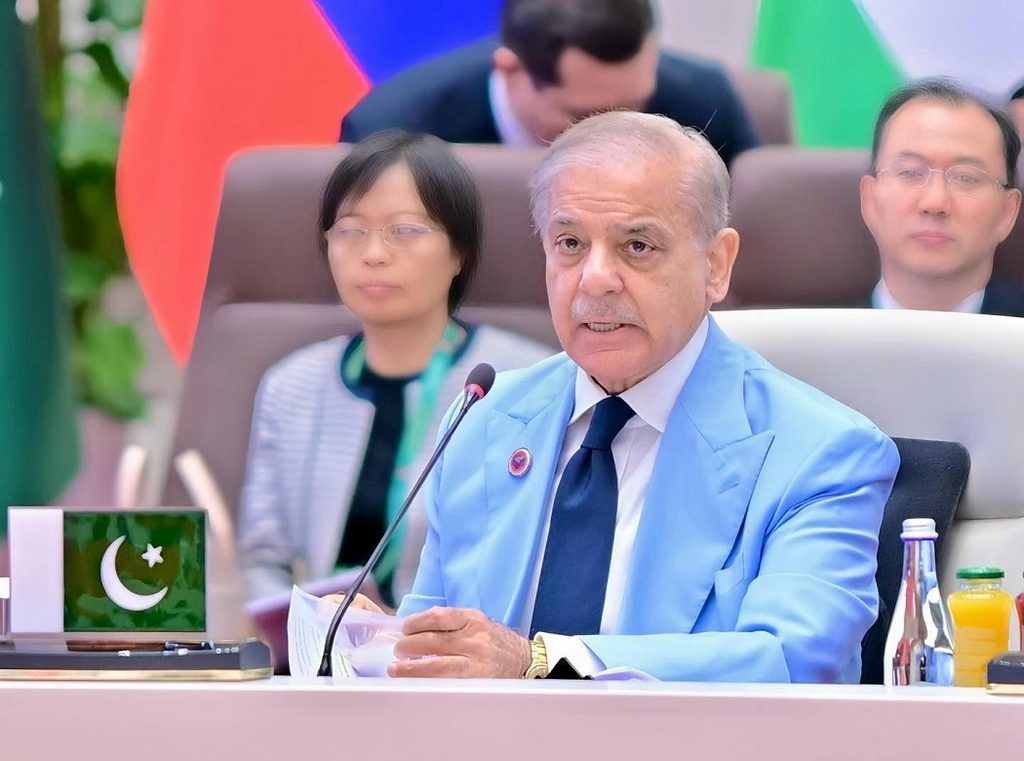
The handover positions Islamabad to steer the SCO’s agenda over the coming year, marking one of Pakistan’s most prominent turns on the multilateral stage since it joined the organization as a full member in 2017.
Pakistan’s Role as Host and Chair of the SCO
Outlining the priorities of Pakistan’s tenure, PM Shehbaz Sharif told the summit: “As Pakistan assumes the chairmanship of the SCO, we are proposing an action plan that shall prioritize key sectors including IT and AI, energy development, poverty reduction, disaster management, health, culture and sports. Pakistan’s SCO chairmanship shall be pursued under the theme ‘Turning Vision into Action, Connectivity, Innovation and Shared Prosperity.’ We undertake this responsibility with humility, hope and abiding faith that connectivity will bring our peoples closer, innovation will open new doors of opportunity and shared prosperity will reach every home.”
As chair, Pakistan takes on responsibility for coordinating the SCO’s ministerial meetings, working groups, and preparatory sessions over the coming year, while steering the thematic priorities laid out in Islamabad’s action plan. Chairing nations typically use the position to spotlight issues of particular national and regional interest, and Pakistan has signaled it will emphasize counterterrorism cooperation, regional connectivity, and expanded trade and economic integration across South and Central Asia.
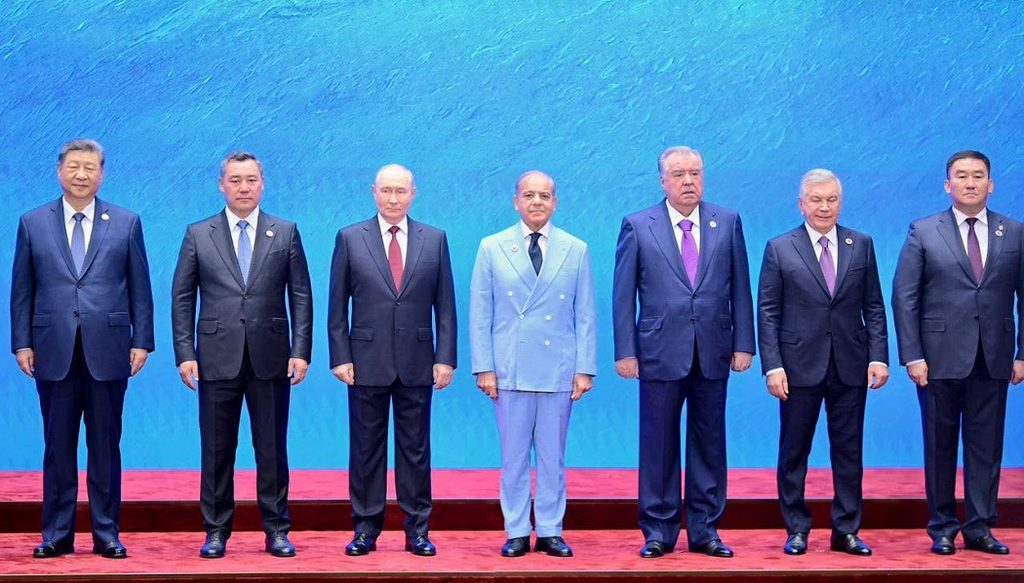
The chairmanship places Pakistan at the center of high-level Eurasian diplomacy, working alongside heads of state from across the SCO’s ten-member bloc — including China, Russia, India, Kazakhstan, Kyrgyzstan, Tajikistan, Uzbekistan, Iran, and Belarus — a grouping that spans South Asia, Central Asia, the Middle East, and Eastern Europe.
Speaking separately at the SCO Plus Meeting 2026 in Bishkek, PM Shehbaz Sharif underscored connectivity as central to his government’s regional vision: “For years, I have strongly advocated regional connectivity as the key to our prosperity. Today, connectivity is no longer a choice. It is a strategic imperative. The recent crisis has also proven that diversified transport networks, secure energy corridors and resilient supply chains are indispensable to our collective security. The China-Pakistan Economic Corridor continues to serve as a gateway linking the regional economies to the Arabian Sea.” He added that “as the permanent chair of the Special Working Group of the SCO on poverty reduction, Pakistan will continue to strengthen social protection and promote inclusive and sustainable development across the SCO region.”
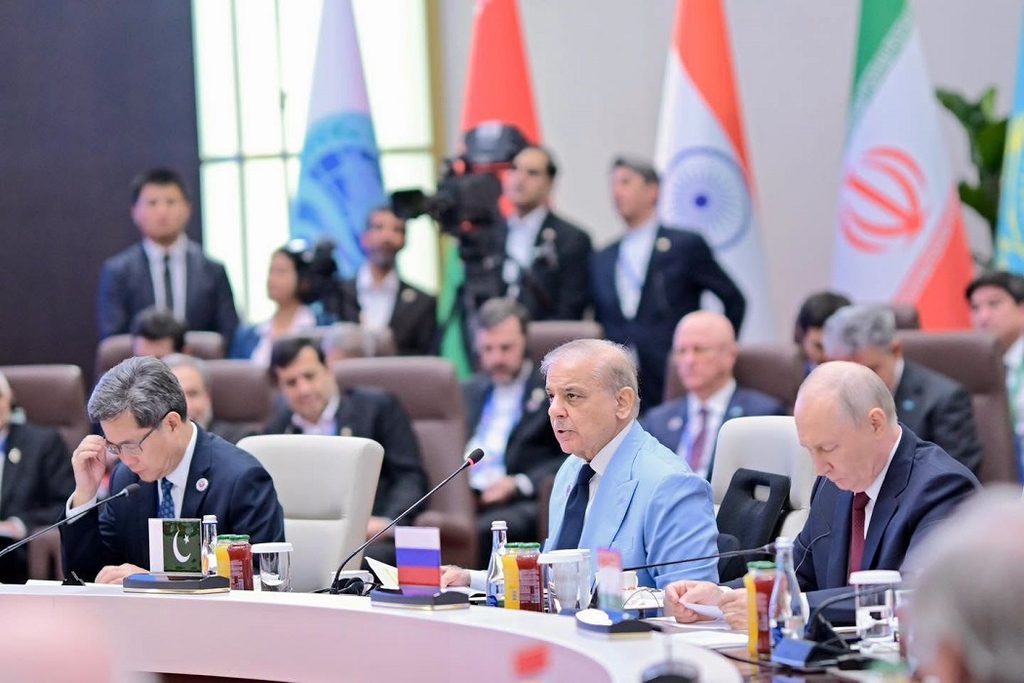
For Pakistan, the chairmanship carries both opportunity and complexity. It offers a platform to reinforce ties with key partners like China, while also managing the SCO’s characteristic dynamic of bringing together member states with unresolved bilateral tensions — most notably its own relationship with fellow SCO member India — under one cooperative framework. Analysts note that Pakistan’s tenure will be watched closely for how it balances national priorities with the consensus-driven, non-confrontational diplomatic style the SCO has cultivated among its members.
Pakistan’s assumption of the chair also comes with practical responsibilities: convening senior officials’ meetings, foreign ministers’ councils, and sectoral dialogues on security, trade, and cultural cooperation throughout the year, building toward the transfer of the chairmanship at the next summit.
Pakistan’s Contribution to Eurasia’s Peaceful Development
Beyond the ceremonial weight of the chairmanship, Pakistan has increasingly positioned itself as a contributor to Eurasia’s broader connectivity and stability agenda — a role it is expected to lean into during its tenure at the SCO’s helm. Central to this is the China-Pakistan Economic Corridor (CPEC), the flagship project of China’s Belt and Road Initiative (BRI), which links Pakistan’s deep-water port at Gwadar to western China through a network of highways, energy projects, and industrial zones. Islamabad has consistently framed CPEC not merely as a bilateral undertaking but as a node in a wider Eurasian connectivity architecture, one that ties South Asia into overland trade routes stretching toward Central Asia, the Middle East, and beyond.
Digital connectivity has emerged as another pillar of Pakistan’s regional contribution. Investments in fiber-optic infrastructure, cross-border data corridors, and e-commerce facilitation are increasingly framed by Islamabad as extensions of the same connectivity logic underpinning CPEC and the BRI — efforts to knit Eurasia together not just through physical trade routes but through digital trade and communication links as well. Pakistani officials have pointed to these initiatives as part of a broader push to position the country as a transit and digital hub bridging South Asia with Central Asian and Chinese markets.
Pakistan has also cast itself as a stakeholder in regional peace and stability, arguing that its own security cooperation — including counterterrorism coordination through SCO mechanisms — supports the broader stability needed for Eurasian connectivity projects to succeed. Officials in Islamabad frequently note that sustained economic corridors like CPEC depend on a secure operating environment, and that Pakistan’s engagement on counterterrorism and border security within the SCO framework is therefore inseparable from its economic connectivity ambitions. As chair, Pakistan is expected to use this framing to advocate for closer coordination between the SCO’s security and economic tracks, presenting connectivity and stability as mutually reinforcing goals for the wider region.
News Backgrounder: The Shanghai Cooperation Organization
The SCO was formally established in 2001, evolving out of the “Shanghai Five” mechanism created in the 1990s by China, Russia, Kazakhstan, Kyrgyzstan, and Tajikistan to resolve border disputes and ease military tensions among post-Soviet neighbors. Since then, it has grown from a narrow security arrangement into a ten-member bloc spanning South Asia, Central Asia, the Middle East, and Eastern Europe.
Membership now includes China, Russia, Kazakhstan, Kyrgyzstan, Tajikistan, Uzbekistan, India, Pakistan, Iran, and Belarus — with India and Pakistan admitted in 2017, Iran in 2023, and Belarus in 2024.
Mandate: The organization’s scope has broadened considerably beyond its original security focus to encompass:
- Security cooperation, including coordinated counterterrorism efforts and confidence-building measures among member states
- Economic cooperation, including trade facilitation, regional connectivity projects, and discussions around a proposed SCO development bank
- Cultural cooperation, including exchange programs and joint cultural initiatives across the region
The chairmanship of the SCO rotates annually among member states, with the chairing country responsible for hosting that year’s Council of Heads of State Summit and setting priorities for the organization’s work throughout its term.
Conclusion
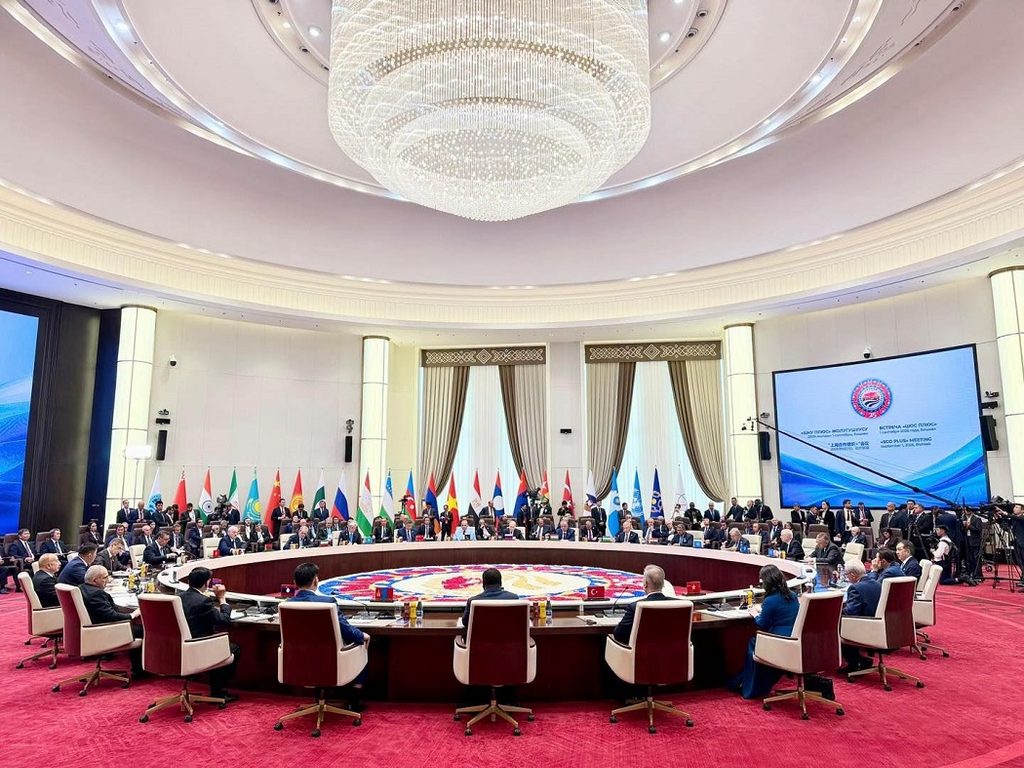
Pakistan’s assumption of the SCO Plus chairmanship, under the theme “Turning Vision into Action, Connectivity, Innovation and Shared Prosperity,” marks a significant milestone in its engagement with the organization, positioning Islamabad to shape the bloc’s priorities in the year ahead. As PM Shehbaz Sharif told the Bishkek summit, Pakistan takes on the role with “humility, hope and abiding faith that connectivity will bring our peoples closer, innovation will open new doors of opportunity and shared prosperity will reach every home.” As the SCO continues to grow in both membership and mandate, Pakistan’s tenure at the helm offers a test of the organization’s core premise — that dialogue across security, economic, and cultural lines can hold together a diverse group of states, including some with longstanding bilateral tensions. For Pakistan, and for the wider region, the chairmanship underscores the SCO’s continuing role as a driver of Eurasian regional connectivity and cooperation, linking South Asia, Central Asia, and beyond within a single cooperative framework.
Pakistan’s Role as Host of SCO 2027
As chair, Pakistan takes on responsibility for coordinating the SCO’s ministerial meetings, working groups, and preparatory sessions in the lead-up to the 2027 summit, while also setting thematic priorities for the year ahead. Chairing nations typically use the position to spotlight issues of particular national and regional interest, and Pakistan is expected to emphasize themes central to its own foreign policy agenda — including counterterrorism cooperation, regional connectivity, and expanded trade and economic integration across South and Central Asia.
Hosting the 2027 summit will place Pakistan at the center of high-level Eurasian diplomacy, welcoming heads of state from across the SCO’s ten-member bloc — including China, Russia, India, Kazakhstan, Kyrgyzstan, Tajikistan, Uzbekistan, Iran, and Belarus — to Islamabad or another host city for a gathering that brings together countries spanning South Asia, Central Asia, the Middle East, and Eastern Europe.
For Pakistan, the chairmanship carries both opportunity and complexity. It offers a platform to reinforce ties with key partners like China, while also managing the SCO’s characteristic dynamic of bringing together member states with unresolved bilateral tensions — most notably its own relationship with fellow SCO member India — under one cooperative framework. Analysts note that Pakistan’s tenure will be watched closely for how it balances national priorities with the consensus-driven, non-confrontational diplomatic style the SCO has cultivated among its members.
Pakistan’s assumption of the chair also comes with practical responsibilities: convening senior officials’ meetings, foreign ministers’ councils, and sectoral dialogues on security, trade, and cultural cooperation throughout the year, all building toward the transfer of the chairmanship at the 2027 summit itself.
News Backgrounder: The Shanghai Cooperation Organization
The SCO was formally established in 2001, evolving out of the “Shanghai Five” mechanism created in the 1990s by China, Russia, Kazakhstan, Kyrgyzstan, and Tajikistan to resolve border disputes and ease military tensions among post-Soviet neighbors. Since then, it has grown from a narrow security arrangement into a ten-member bloc spanning South Asia, Central Asia, the Middle East, and Eastern Europe.
Membership now includes China, Russia, Kazakhstan, Kyrgyzstan, Tajikistan, Uzbekistan, India, Pakistan, Iran, and Belarus — with India and Pakistan admitted in 2017, Iran in 2023, and Belarus in 2024.
Mandate: The organization’s scope has broadened considerably beyond its original security focus to encompass:
- Security cooperation, including coordinated counterterrorism efforts and confidence-building measures among member states
- Economic cooperation, including trade facilitation, regional connectivity projects, and discussions around a proposed SCO development bank
- Cultural cooperation, including exchange programs and joint cultural initiatives across the region
The chairmanship of the SCO rotates annually among member states, with the chairing country responsible for hosting that year’s Council of Heads of State Summit and setting priorities for the organization’s work throughout its term.
Conclusion
Pakistan’s assumption of the SCO chairmanship marks a significant milestone in its engagement with the organization, positioning Islamabad to shape the bloc’s priorities in the run-up to the 2027 summit. As the SCO continues to grow in both membership and mandate, Pakistan’s tenure at the helm offers a test of the organization’s core premise — that dialogue across security, economic, and cultural lines can hold together a diverse group of states, including some with longstanding bilateral tensions. For Pakistan, and for the wider region, the chairmanship underscores the SCO’s continuing role as a driver of Eurasian regional connectivity and cooperation, linking South Asia, Central Asia, and beyond within a single cooperative framework.
]]>[ad_1]
-
RCCI President Usman Shaukat calls for expanding bilateral trade and building stronger business-to-business linkages between between Pakistan and China.
By: Muhammad Arif, Editor NSN.Asia
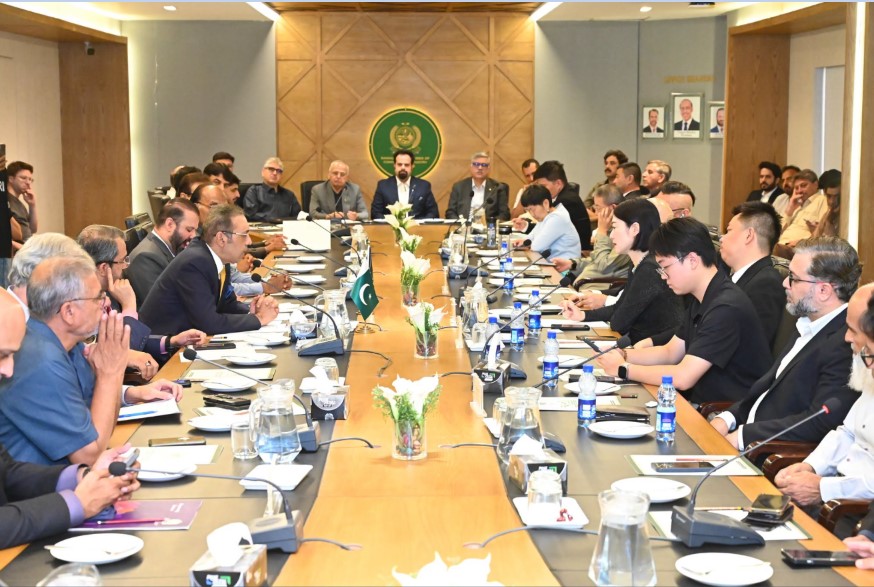
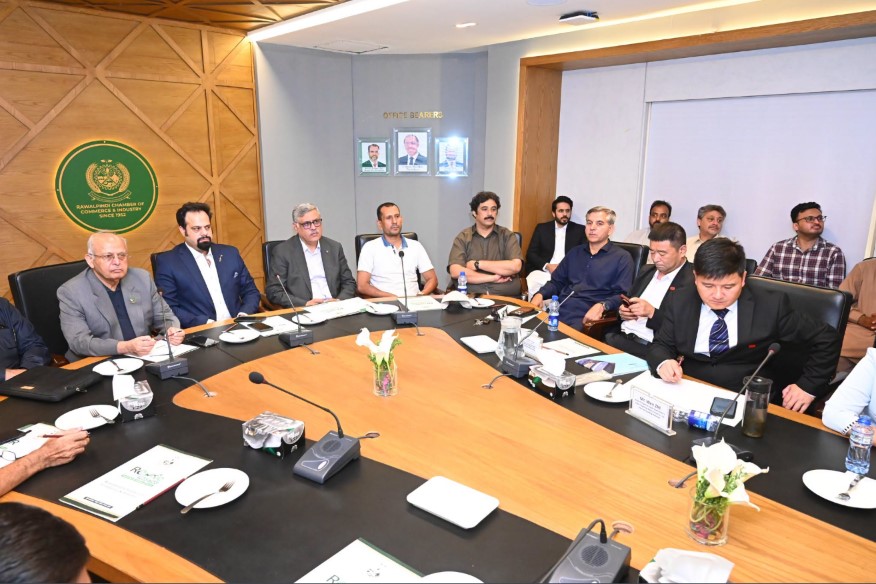
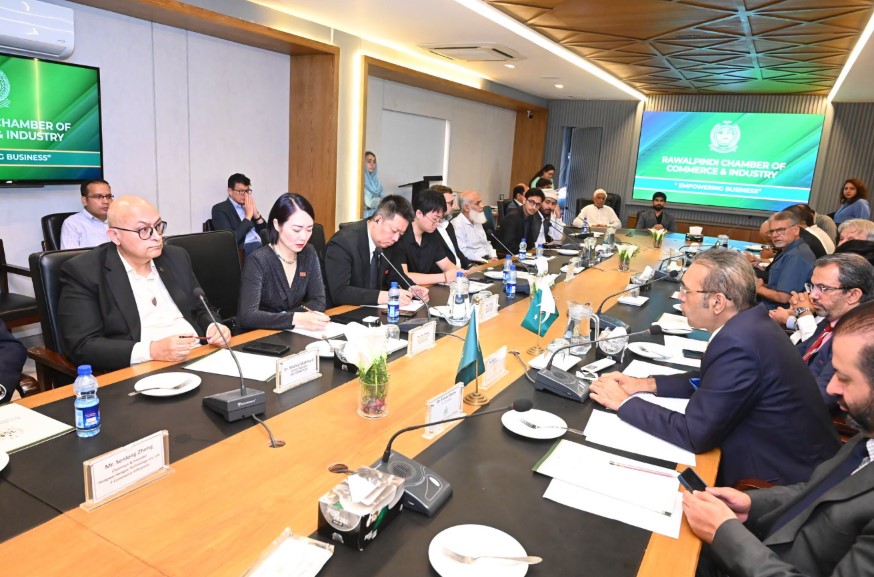
Rawalpindi — The Rawalpindi Chamber of Commerce & Industry (RCCI) hosted a high-level Chinese business delegation at Chamber House for a business-to-business (B2B) collaboration meeting aimed at deepening trade and investment ties between Pakistan and China.
The session was chaired by RCCI President Usman Shaukat, who welcomed the visiting delegation and stressed the importance of expanding bilateral trade and building stronger business-to-business linkages between the two countries.
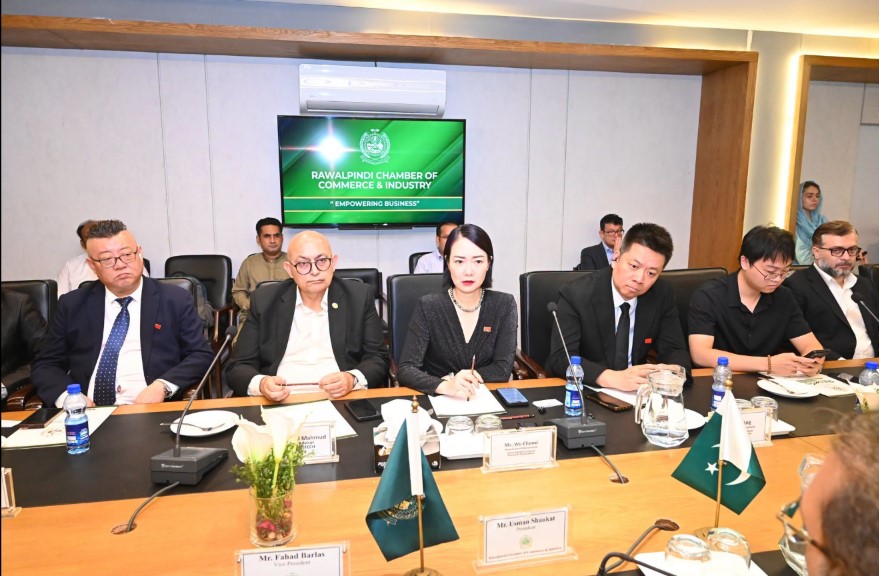
He was joined by RCCI Senior Vice President Khalid Farooq Qazi, Vice President Fahad Barlas, members of the Executive Committee, and representatives from a cross-section of local business sectors.
Chinese Delegation Spans Ten Industries
The visiting delegation was led by Li Ang, Deputy Secretary-General of the China Business Culture Research Association, and included business leaders and experts drawn from a wide range of industries: steel and building materials, renewable energy, electric vehicles, new energy solutions, aviation and the low-altitude economy, agriculture technology, financial services, investment advisory, cultural exchange, and industrial manufacturing.
That breadth of sectors reflects the direction China–Pakistan economic cooperation has been taking over the past year, moving beyond the large-scale infrastructure projects associated with the corridor’s first phase toward technology, industry and private-sector-led investment.
Trade, Investment and Technology on the Agenda
According to RCCI, the meeting served as a platform for exploring trade opportunities, investment partnerships and technology transfer, alongside broader discussion on strengthening economic cooperation between the two countries. Participants from both sides used the session to identify potential areas of collaboration across the sectors represented by the Chinese delegation, from renewable energy and EVs to agri-tech and financial services.
RCCI leadership framed the meeting as part of the chamber’s ongoing effort to connect Rawalpindi’s business community with international partners and attract investment into the region.
Backgrounder: What Is CPEC 2.0?
The meeting comes as Pakistan and China continue rolling out the second phase of the China-Pakistan Economic Corridor (CPEC), widely referred to as CPEC 2.0. CPEC is the roughly $62 billion flagship project of China’s Belt and Road Initiative, designed to connect Pakistan’s Gwadar and Karachi ports to China’s Xinjiang region.
CPEC’s first phase, launched in 2013, was concentrated on large-scale infrastructure: energy projects, roads and port construction aimed at addressing Pakistan’s core infrastructure gaps. That phase formally gave way to CPEC 2.0 at the 14th Joint Cooperation Committee meeting held in Beijing in September 2025, marking a shift toward people-centric development, technological collaboration and regional economic integration.
Officials on both sides describe the new phase as a move from infrastructure toward industrialization. Pakistani officials have said CPEC 2.0 is centered on high-quality development, with expanded cooperation in industrialization, agriculture, mining and minerals, information technology and human resource development, and that the effort is aligned with Pakistan’s broader “5E” development framework covering exports, digital government, climate, energy and equity.
The revamped corridor is also organized around a wider set of priorities. The updated framework is built around five broad corridors — growth, innovation, green development, livelihood and regional connectivity — with the push gaining political momentum around the 75th anniversary of Pakistan-China diplomatic relations. On the investment side, Pakistan has expanded its roster of approved special economic zones from seven to as many as 44, including 37 newly notified zones, through the Board of Investment.
Chinese officials have echoed the shift in emphasis. The Chinese Ambassador to Pakistan has said cooperation under the upgraded second phase of CPEC is expanding into new areas such as agriculture, mining and social development, alongside growing private-sector involvement in exports, value-added industry and human capital development.
Analysts note the transition is still a work in progress. Some commentary frames 2026 as a pivotal year for CPEC’s ability to move from corridor-building to genuine economy-building, describing early results as “optimistically hesitant.” Security and financing pressures remain part of the picture as well, with some infrastructure components, including sections of the ML-1 railway upgrade, reportedly being explored for alternative funding sources such as the Asian Development Bank.
Engagements like this week’s RCCI-hosted B2B meeting reflect how CPEC 2.0’s broader, multi-sector agenda — spanning renewable energy, EVs, agri-tech and manufacturing — is increasingly playing out at the level of chamber-to-chamber and company-to-company contacts, rather than only through government-to-government infrastructure deals.
Why It Matters
For Rawalpindi’s business community, direct engagement with Chinese delegations offers a channel to sectors — renewable energy, electric vehicles, agri-tech, financial services — that are central to where CPEC’s next phase is headed. RCCI’s leadership indicated the chamber intends to keep building on the connections made during the visit as part of its broader push to expand the city’s trade and investment links with China.
[ad_2]
-
Pakistan’s Forward Sports, China’s Zhongzi Huaxin Group signs technical and investment cooperation agreement
By: Muhammad Arif, Editor NSN.Asia
Islamabad — In a fresh sign of expanding Pakistan-China economic and technology cooperation under the second phase of the China-Pakistan Economic Corridor (CPEC 2.0), the Special Investment Facilitation Council (SIFC) on Thursday facilitated the signing of a technical and investment cooperation agreement between Pakistan’s Forward Sports and China’s Zhongzi Huaxin Group.
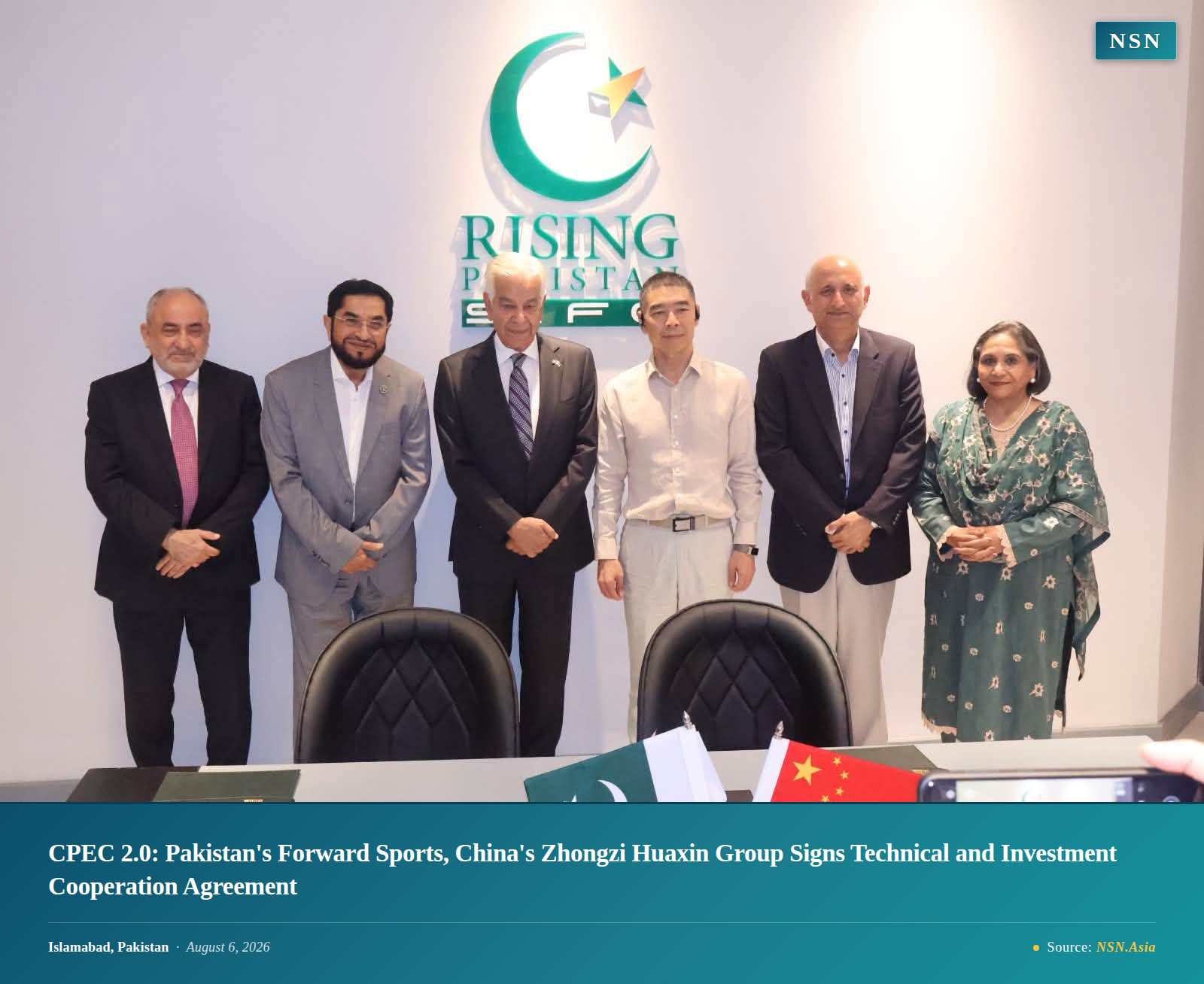
The agreement paves the way for the joint production of world-class sports footwear in Pakistan, combining Pakistani manufacturing capability with Chinese capital and industrial expertise — a partnership model increasingly central to CPEC 2.0’s shift from infrastructure to industrial cooperation, technology transfer, and export-led growth.
About the Partners
Forward Sports is widely recognised as Pakistan’s leading sports goods manufacturer. The company is best known for producing high-quality footballs used at FIFA World Cup tournaments, and it also manufactures sports bags, apparel, and lifestyle footwear for international markets.
Zhongzi Huaxin Group is a diversified Chinese investment and asset management group with established expertise in industrial development, footwear and apparel industrial parks, and regional economic cooperation projects across partner countries.
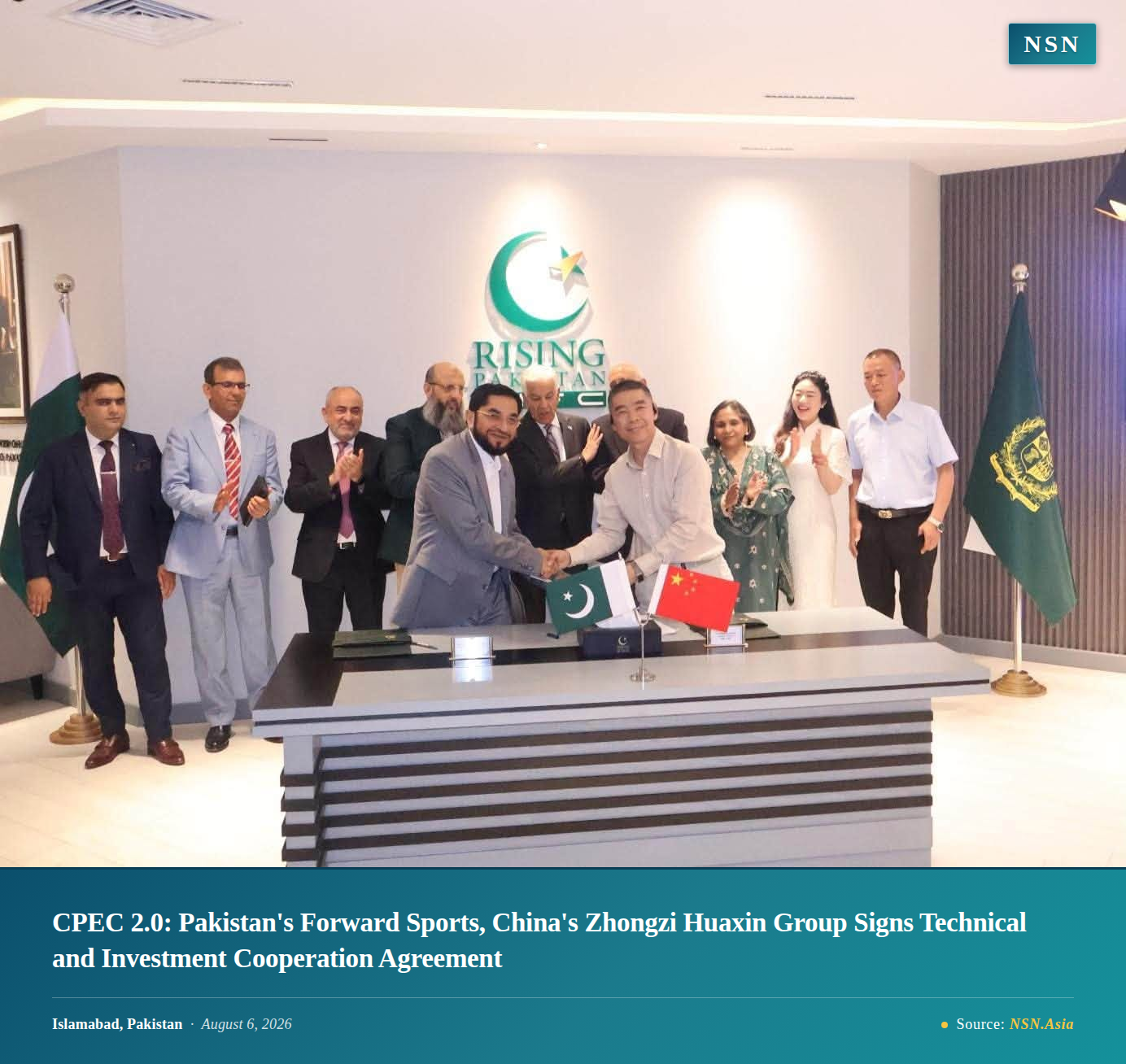
Signing Ceremony at SIFC
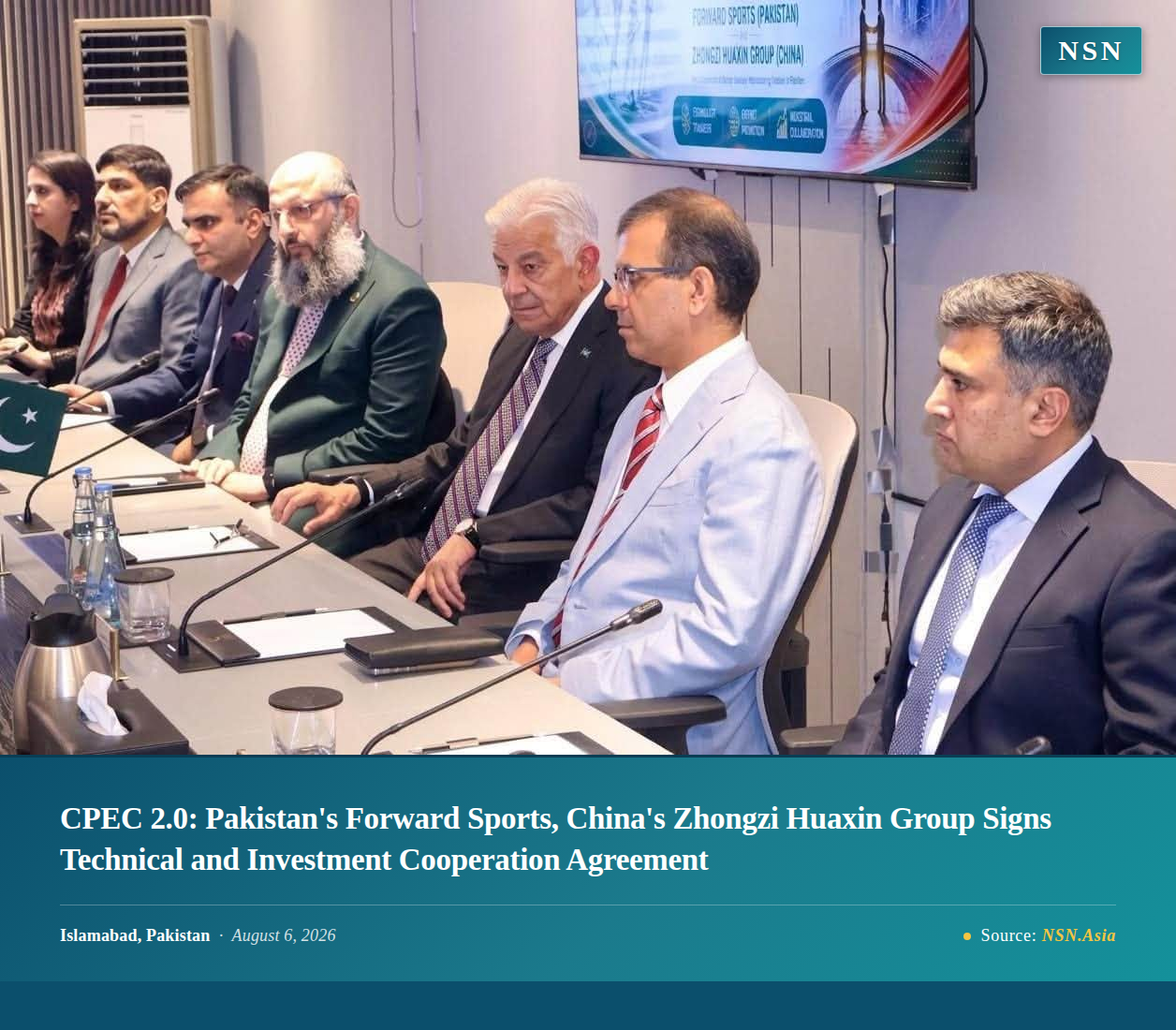
The signing ceremony, held at the SIFC, was attended by senior Pakistani and Chinese stakeholders, including:
- The Minister for Defence
- The Director General, SIFC
- The Chairman, Pakistan Regional Economic Forum
- The Chief Executive Officer, Zhongzi Huaxin Group
- The Chief Executive Officer, Forward Sports
Their presence underscores the strategic weight both governments are placing on private-sector-led industrial cooperation as a pillar of the evolving Pakistan-China economic relationship.
What This Means for CPEC 2.0 and Pakistan’s Economy
Officials say the agreement is expected to deliver benefits across several key areas:
- Technology transfer from Chinese industrial and manufacturing expertise to Pakistan’s footwear sector
- Industrial development, supporting the growth of footwear and apparel manufacturing capacity within Pakistan
- Employment generation, creating jobs across production, supply chain, and export-oriented roles
- Export diversification, helping Pakistan move beyond traditional exports into higher-value manufactured goods
- Greater market share for Pakistan in the growing global footwear industry
By pairing Forward Sports’ manufacturing track record with Zhongzi Huaxin Group’s investment and industrial park experience, the deal reflects the broader CPEC 2.0 strategy of attracting Chinese capital into Pakistan’s special economic zones and export-oriented industries, rather than large-scale infrastructure alone.
Why It Matters
The agreement adds to a growing list of SIFC-facilitated deals aimed at unlocking foreign direct investment in Pakistan’s manufacturing and export sectors. As Pakistan looks to stabilise its economy and boost foreign exchange earnings, partnerships that bring in technology, capital, and access to global supply chains — such as this footwear venture — are being positioned by officials as a template for future Pakistan-China industrial collaboration under CPEC’s next phase.
Backgrounder: What Is CPEC 2.0, and How Does It Fit Into the Belt and Road Initiative?
The China-Pakistan Economic Corridor was launched in 2013 as a flagship project of China’s global Belt and Road Initiative (BRI), envisioned as a network linking China’s Xinjiang region to Pakistan’s Gwadar and Karachi ports on the Arabian Sea. Its first phase concentrated on foundational infrastructure — power plants, highways, and transport links — work credited with easing Pakistan’s chronic energy shortages and improving connectivity between provinces and commercial hubs.
CPEC entered a new phase, widely referred to as CPEC 2.0, following high-level talks between Islamabad and Beijing. The upgraded framework was formally agreed during the seventh round of the Pakistan-China Foreign Ministers’ Strategic Dialogue in Beijing in early January 2026, and it builds on groundwork laid at the 14th Joint Cooperation Committee (JCC) meeting in late 2025. Rather than large-scale infrastructure, CPEC 2.0 shifts the corridor’s focus toward:
- Industrialisation and Special Economic Zones (SEZs) to attract manufacturing investment and boost exports
- Agriculture modernisation, including improved seed varieties, irrigation, and farming technology
- Mining and mineral development
- Information technology, science and technology, and cybersecurity cooperation
- Technical and vocational training
- Continued development of Gwadar Port as a regional trade hub, and the Main Line-1 (ML-1) railway upgrade
- For the first time, an openness to third-country participation in CPEC projects under terms agreed by both Islamabad and Beijing
Officials on both sides describe CPEC 2.0 as a move from “connectivity” to “value addition” — prioritising industrial and technology partnerships, of the kind reflected in the Forward Sports-Zhongzi Huaxin Group agreement, over new roads and power plants. Since CPEC’s inception, Chinese officials cite more than $25 billion in direct investment delivered through the corridor, alongside hundreds of thousands of jobs and thousands of megawatts of added power generation capacity — figures Beijing points to as evidence of the corridor’s role as a model for Belt and Road cooperation more broadly.
The recalibration also comes as 2026 marks the 75th anniversary of Pakistan-China diplomatic relations, with both governments describing themselves as “all-weather strategic cooperative partners” and announcing a year of commemorative engagements alongside the CPEC 2.0 rollout.
Conclusion: A Deepening Economic Partnership
The SIFC-facilitated agreement between Forward Sports and Zhongzi Huaxin Group is a small but telling example of where Pakistan-China relations are headed. As CPEC moves past its infrastructure-heavy first decade, the emphasis is increasingly on industrial partnerships, technology transfer, and export capacity — sectors where private Chinese and Pakistani firms, rather than state-to-state megaprojects alone, are expected to drive growth.
For Pakistan, deals of this kind offer a pathway to diversify exports, create jobs, and attract the kind of foreign investment needed to stabilise a economy still facing inflationary pressure and external debt challenges. For China, they extend the reach of the Belt and Road Initiative into higher-value manufacturing and reinforce Pakistan’s position as a key BRI partner in South Asia.
With CPEC 2.0 still in its early stages and more agreements expected to follow, the footwear venture is likely to be one of several similar announcements in the coming months — each adding to a broader narrative of a Pakistan-China partnership that is expanding beyond roads and power plants into industry, technology, and trade.
[ad_2]
]]>
-
Xinjiang — The Historic and Modern Gateway of Silk Road Connectivity
-
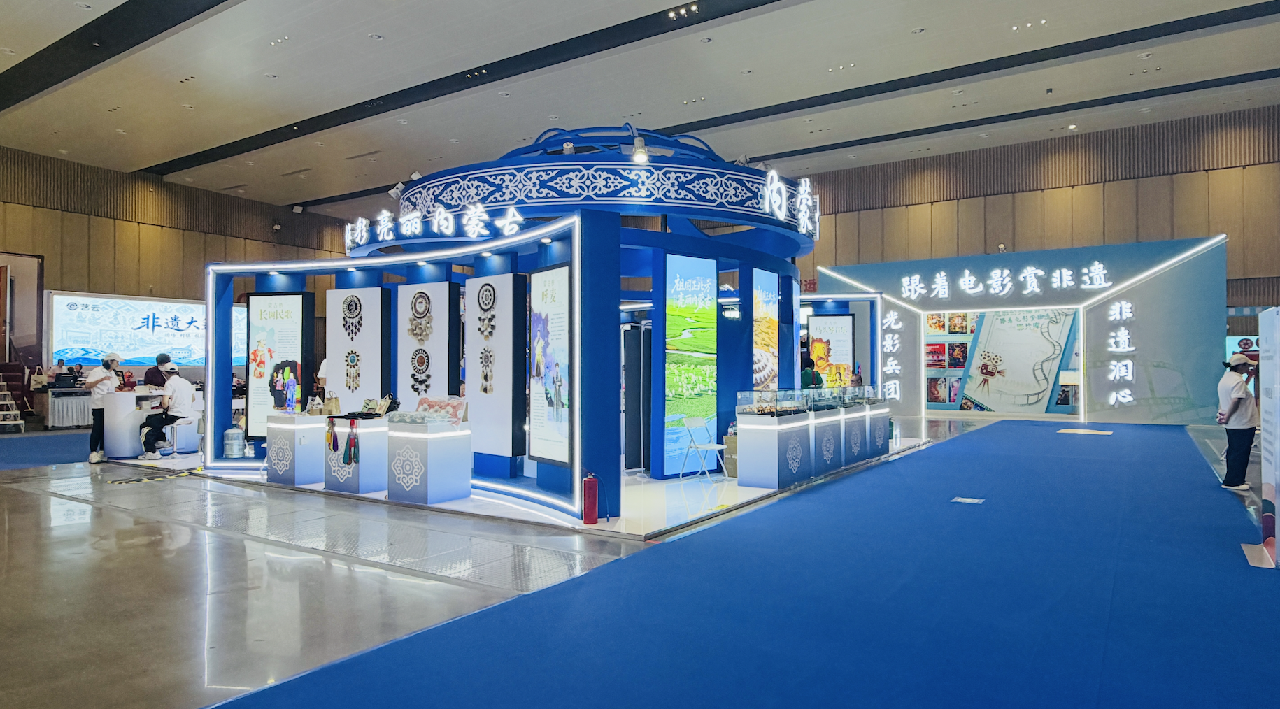
Xinjiang Hosts Cultural heritage artisans and classic folk artworks from across China at an exhibition in Shihezi county of Xinjiang.
By: Muhammad Arif, Editor NSN.Asia
Urumqi: An intangible cultural heritage exhibition has opened in Shihezi, Xinjiang, bringing together intangible cultural heritage artisans and classic folk artworks from across China.
From paper-cutting and clay sculpture to diverse ethnic costumes, and from traditional delicacies to folk song and dance performances, the event serves as a key cultural platform, enabling locals to experience the diversity of Chinese traditional cultures and promoting knowledge of China’s national intangible cultural heritage across the region.
Beyond on-site exhibitions, intangible cultural heritage inheritors from across China engaged in in-depth dialogues, co-created integrated cultural works, and built long-term partnerships to advance the innovation and inheritance of traditional folk culture.
-
Xinjiang — The Historic and Modern Gateway of Silk Road Connectivity
For more than two millennia, Xinjiang has served as one of Eurasia’s most important crossroads, linking China with Central Asia, South Asia, the Middle East, and Europe. From the caravans of the ancient Silk Road to today’s high-speed rail corridors and logistics hubs, the region has remained central to transcontinental connectivity.
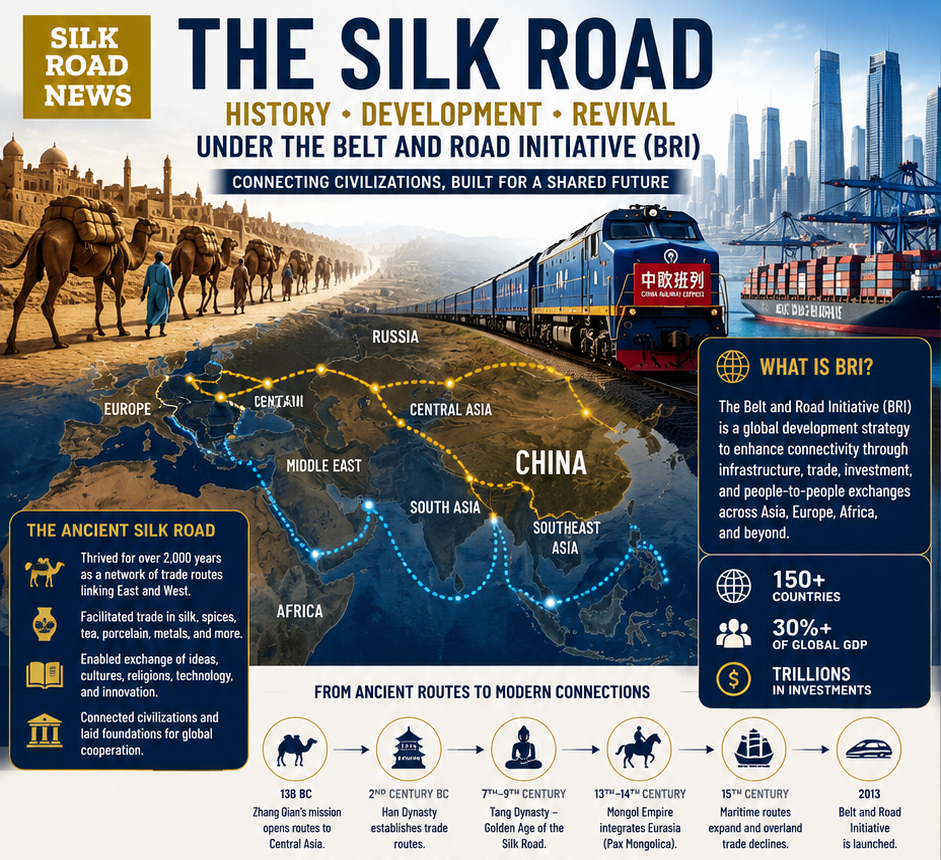
Beginning during the Han Dynasty, merchants, scholars, diplomats, and pilgrims traversed the Tarim Basin through oasis cities such as Kashgar, Hotan, Yarkand, and Turpan. These settlements became vibrant centers of commerce where silk, jade, spices, horses, paper, and porcelain were exchanged alongside religions, languages, scientific knowledge, and cultural traditions. Xinjiang connected East Asia with Persia, the Arab world, and ultimately Europe, making it one of history’s greatest corridors of civilization.
-
Present-Day Strategic Role
In the 21st century, this region has re-emerged as a pivotal gateway under China’s Belt and Road Initiative (BRI). Owing to its strategic location bordering eight countries, the region provides China’s principal overland access to Central Asia and onward to Europe through highways, railways, pipelines, and logistics networks. Cities such as Urumqi and Kashgar have developed into major transport and commercial hubs supporting international trade and regional connectivity.
-
Rail and Logistics Connectivity
The Urumqi International Land Port has become a major node for China–Europe freight services, linking manufacturing centers in eastern China with destinations across Central Asia, Russia, and Europe. Modern multimodal infrastructure—including rail terminals, expressways, dry ports, and customs facilities—has significantly reduced transport times compared with traditional maritime shipping for many categories of goods.
This automous region of China also anchors the northern end of the China–Pakistan Economic Corridor (CPEC), connecting Kashgar with Pakistan’s Gwadar Port through the Khunjerab Pass and the Karakoram Highway. This corridor is designed to strengthen trade, energy cooperation, industrial development, and regional economic integration between western China, Pakistan, and the Arabian Sea, while complementing broader Belt and Road connectivity across Eurasia.
-
Looking Ahead
As global supply chains continue to diversify, this city’s geographic position places it at the intersection of emerging trade corridors linking East Asia, Central Asia, South Asia, the Middle East, and Europe. Supporters view the region as a cornerstone of Eurasian connectivity and economic integration, while international observers also note that discussions surroundingthe this region encompass broader geopolitical and human rights issues beyond transport and trade
[ad_2]
]]>- Asad Gillani is a veteran diplomat with nearly 30 years of service, he takes charge in Beijing,China, at a time when Islamabad and China are further deepening strategic ties ahead of the SCO summit in Bishkek
-
Syed Ali Asad Gillani replaces Ambassador Khalil Hashmi, who has completes his three-year tenure in Beijing,China.
By: Muhammad Arif, Editor NSN.Asia
ISLAMABAD, JUL 26 /NSN/ — Pakistan has appointed seasoned diplomat Ambassador Syed Ali Asad Gillani as its new envoy to China, a move that comes at a pivotal moment as Islamabad and Beijing work to deepen strategic cooperation across diplomacy, defence, trade and regional connectivity.

Pakistan names Syed Ali Asad Gillani as an Envoy To China NSN Asia 2026The appointment places Gillani at the helm of one of Pakistan’s most consequential diplomatic postings, replacing Ambassador Khalil Hashmi, who is expected to return to the Ministry of Foreign Affairs in Islamabad after completing his three-year tenure in Beijing.
-
A Career Diplomat with Deep China Experience
Gillani brings nearly three decades of diplomatic service to the role. He joined Pakistan’s Foreign Service in the 1990s and has since built an extensive career spanning postings across Asia, Europe and the Middle East. Notably, his relationship with China is not new — it stretches back more than twenty years to when he served as Third Secretary at the Pakistani Embassy in Beijing, giving him firsthand familiarity with the bilateral relationship he will now help steer at the ambassadorial level.
Most recently, Gillani held senior leadership positions at the Ministry of Foreign Affairs, serving as Additional Secretary with oversight of key regional diplomatic affairs. He simultaneously served as Director General of the Foreign Service Academy, Pakistan’s premier institution for training career diplomats — a dual role that underscores his standing within the foreign policy establishment.
His academic credentials complement his field experience. Gillani holds a PhD in International Relations from the Middle East Technical University (METU) in Ankara, Türkiye, giving him a scholarly grounding in the discipline alongside decades of practical diplomatic work.
-
A Wide-Ranging Diplomatic Career
Over nearly 30 years in the Foreign Service, Gillani has held a series of high-profile overseas and domestic assignments. His overseas postings include:
- Beijing — Third Secretary
- Geneva — First Secretary
- Tokyo — Counsellor
- Ankara — Minister and Deputy Head of Mission
- Uzbekistan — Pakistan’s Ambassador
During his tenure as Ambassador to Uzbekistan, Gillani played an active role in strengthening bilateral relations, promoting trade and regional connectivity, engaging with the Pakistani diaspora, and participating in Shanghai Cooperation Organisation (SCO) activities — experience that is likely to prove valuable given the SCO’s growing role in regional diplomacy.
At the Foreign Office headquarters in Islamabad, Gillani has also held a range of important positions, including Section Officer, Deputy Director, Director, and Deputy Chief of Protocol, along with senior roles covering political affairs, human resources and multilateral diplomacy.
-
Taking Charge at a Critical Moment for Pakistan-China Ties
Gillani steps into his new role in Beijing at what officials describe as a crucial juncture for bilateral relations. China remains Pakistan’s largest strategic partner, with cooperation extending well beyond traditional diplomacy into defence collaboration, infrastructure development, energy projects, trade, technology, investment and regional security.
The appointment comes as Pakistan and China continue to expand collaboration under the China-Pakistan Economic Corridor (CPEC), the flagship connectivity and infrastructure initiative that has anchored bilateral economic ties for over a decade. Both countries have also been working to strengthen defence cooperation and coordinate closely on regional and global issues amid a rapidly shifting geopolitical landscape.
Gillani’s tenure begins ahead of the upcoming meeting of the Council of Heads of State of the Shanghai Cooperation Organisation (SCO) member states, scheduled to take place in Bishkek on September 1, 2026 — a summit that will bring together SCO leaders, including from China and Pakistan, to discuss regional security, economic cooperation and connectivity issues. Given Gillani’s prior direct engagement with SCO activities during his posting in Uzbekistan, his appointment is seen as well-timed for a period in which multilateral platforms like the SCO are expected to feature prominently in Pakistan-China engagement.
Ambassador Khalil Hashmi assumed his responsibilities as Pakistan’s envoy to the People’s Republic of China on November 11, 2023. Prior to that appointment, he served as Permanent Representative of Pakistan to the United Nations and other International Organizations, as well as to the Conference on Disarmament in Geneva, from November 2019 to November 2023.
Hashmi’s earlier career includes service as Director General for the United Nations, the European Region, and Arms Control, as well as Director for Disarmament Affairs covering India and the South Asian region at the Ministry of Foreign Affairs.
His diplomatic postings have taken him to Pakistan’s embassies in Copenhagen (1999–2002) and Beijing (2008–2010). He also served twice at the Pakistan Mission to the United Nations in New York, first from 2004 to 2007 and again from 2012 to 2016, including a stint as Deputy Permanent Representative.
Hashmi joined the Foreign Service of Pakistan in 1994. Over his career, he has worked extensively on arms control, counter-terrorism, human rights and climate change issues, and has attended numerous international conferences, chaired multilateral meetings, and taken part in a wide range of bilateral and multilateral negotiations. He is expected to take up a new assignment at the Ministry of Foreign Affairs headquarters in Islamabad following his return from Beijing.
-
What the Appointment Signals
Analysts of Pakistan-China relations note that ambassadorial appointments to Beijing are typically closely watched, given the depth and sensitivity of the relationship. Gillani’s combination of early-career China experience, senior policy oversight roles, academic credentials and multilateral exposure through the SCO positions him to manage an increasingly complex bilateral agenda — one that spans economic corridor development, security cooperation, and coordination on regional diplomacy in forums such as the SCO.
With the Bishkek summit approaching in September 2026, Gillani’s early months in Beijing are likely to be shaped in part by preparations for that meeting, alongside the ongoing work of deepening CPEC-related cooperation and managing the broader strategic partnership between the two countries.

This report is based on official statements regarding the appointment. — NSN.Asia
[ad_2]
]]>A vast network of overland and maritime trade routes connecting China, Central Asia, South Asia, the Middle East, Africa, and Europe
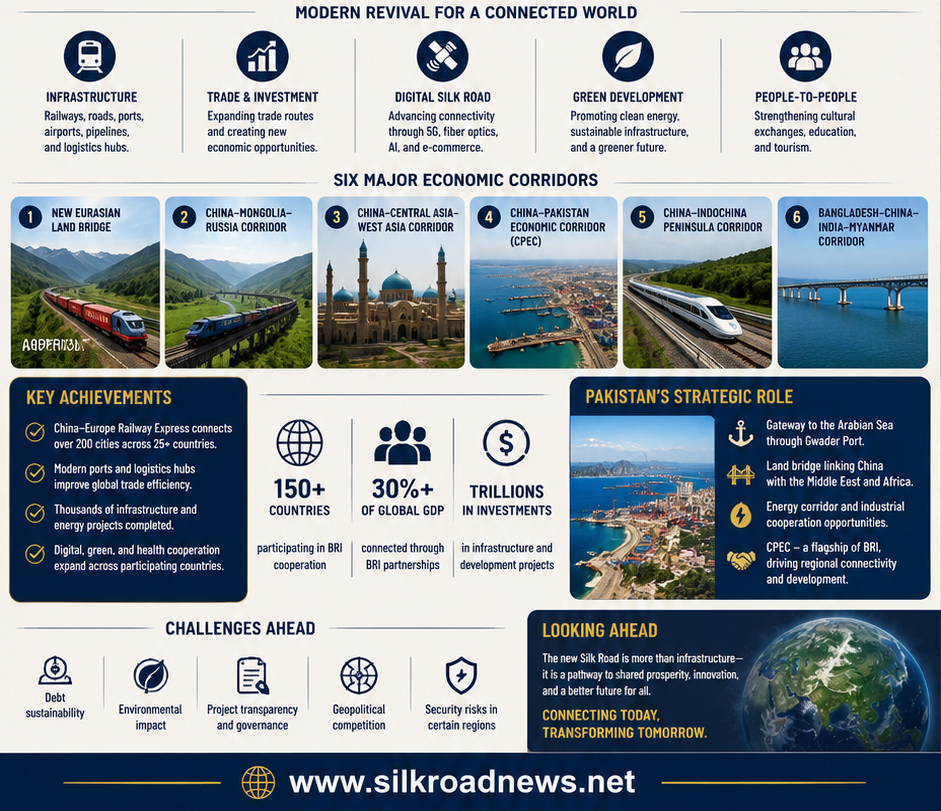
The Silk Road was not a single road but a vast network of overland and maritime trade routes connecting China, Central Asia, South Asia, the Middle East, Africa, and Europe for more than two millennia. Stretching nearly 12,000 kilometers, it served as the world’s first major globalization network, enabling the exchange of goods, technologies, ideas, religions, and cultures.
The term “Silk Road” (German: Seidenstraße) was coined by German geographer Ferdinand von Richthofen in 1877 because Chinese silk was among the most valuable commodities traded across Eurasia.
How Did the Silk Road Begin?
The Silk Road originated during China’s Han Dynasty (206 BC–220 AD) after imperial envoy Zhang Qian traveled to Central Asia in 138 BC. His mission established diplomatic relations with western kingdoms and opened new commercial opportunities.
Soon, camel caravans began transporting goods across deserts, mountains, and grasslands, linking East and West.
More Than Trade
The Silk Road transformed civilizations by facilitating:
- Exchange of scientific knowledge
- Spread of Buddhism, Islam, Christianity, and other beliefs
- Transfer of technologies such as papermaking, printing, gunpowder, and the compass
- Development of medicine, astronomy, mathematics, and architecture
- Cultural interactions through art, music, language, and diplomacy
Historians often describe it as the first great bridge between civilizations.
What Goods Were Traded?
From China
- Silk
- Tea
- Porcelain
- Paper
- Gunpowder
- Lacquerware
From Central Asia, the Middle East, and Europe
- Horses
- Gold and silver
- Glassware
- Wool and textiles
- Precious stones
- Spices
- Wine
Silk remained the most prized export, giving the network its modern name.
Why Did the Silk Road Decline?
Beginning in the 15th century, several developments weakened the traditional routes:
- Expansion of European maritime exploration
- Faster and cheaper sea transport
- Political instability across Central Asia
- Fragmentation of major empires
- Changing global trade patterns
By the 16th century, maritime trade had largely overtaken the ancient caravan routes.
The 21st Century Revival: Belt and Road Initiative (BRI)
In 2013, Chinese President Xi Jinping proposed reviving the spirit of the Silk Road through the Belt and Road Initiative (BRI).
The initiative consists of two major components:
1. Silk Road Economic Belt
A network of land-based transport corridors connecting China with Central Asia, West Asia, Russia, and Europe.
2. 21st Century Maritime Silk Road
A modern maritime trade network linking Chinese ports with Southeast Asia, South Asia, Africa, the Middle East, and Europe.
Together, they aim to strengthen global connectivity through infrastructure and economic cooperation.
What Is BRI Building?
Under BRI, participating countries are developing:
- High-speed railways
- Freight rail corridors
- Expressways
- Deep-sea ports
- Airports
- Energy pipelines
- Power plants
- Industrial parks
- Logistics hubs
- Fiber-optic cables
- Digital infrastructure
The initiative seeks to reduce transport times, lower logistics costs, and improve regional trade connectivity.
Six Major Economic Corridors
The Belt and Road Initiative includes six principal land corridors:
- New Eurasian Land Bridge
- China–Mongolia–Russia Economic Corridor
- China–Central Asia–West Asia Corridor
- China–Pakistan Economic Corridor (CPEC)
- China–Indochina Peninsula Corridor
- Bangladesh–China–India–Myanmar Corridor (currently limited in progress)
These corridors connect manufacturing centers with major consumer markets across Eurasia.
The Digital Silk Road
The BRI has expanded beyond physical infrastructure to include the Digital Silk Road, focusing on:
- Artificial Intelligence (AI)
- 5G telecommunications
- E-commerce
- Cloud computing
- Smart cities
- Data centers
- Satellite navigation
- Cross-border digital services
This digital dimension reflects the growing importance of technology in global development.
Pakistan’s Strategic Position
Pakistan occupies a pivotal position at the crossroads of South Asia, Central Asia, and West Asia.
Through the China–Pakistan Economic Corridor (CPEC), Pakistan serves as:
- China’s gateway to the Arabian Sea via Gwadar Port
- A regional logistics and transit hub
- A potential energy corridor
- A center for industrial cooperation through Special Economic Zones
- A bridge linking western China with global markets
CPEC is widely regarded as one of the flagship projects of the Belt and Road Initiative.
Why the Silk Road Matters Today
The revival of Silk Road connectivity is driven by several strategic objectives:
- Diversifying global supply chains
- Enhancing regional connectivity
- Expanding international trade
- Supporting infrastructure-led development
- Promoting people-to-people exchanges
- Strengthening economic integration across Eurasia
For many developing countries, improved infrastructure can reduce trade costs and increase access to regional and global markets.
Challenges
Despite its scale, the Belt and Road Initiative also faces challenges, including:
- Debt sustainability concerns
- Project financing
- Environmental impacts
- Geopolitical competition
- Security risks in some regions
- Governance and transparency issues
Supporters argue that the initiative addresses major infrastructure gaps, while critics emphasize the importance of financial sustainability, environmental safeguards, and local economic benefits.
Looking Ahead
As global trade evolves, the modern Silk Road is increasingly viewed as a network of railways, ports, digital infrastructure, and economic partnerships rather than a single route. Its future success will depend on balancing infrastructure investment with transparency, sustainability, and broad-based economic cooperation.
Key Takeaways
- Ancient Legacy: The Silk Road connected civilizations for over 2,000 years through trade and cultural exchange.
- Modern Revival: China launched the Belt and Road Initiative in 2013 to modernize Eurasian connectivity.
- Beyond Infrastructure: BRI now includes digital, green, health, and innovation cooperation alongside transport networks.
- Pakistan’s Role: Through CPEC and Gwadar Port, Pakistan occupies a strategic position in connecting China with the Arabian Sea and broader regional markets.
- Global Impact: The initiative has the potential to reshape trade, logistics, and economic integration across Eurasia, while continuing to face debates over governance, financing, and sustainability.
Pakistan brings together around 180 delegates representing nearly 160 Chinese pharmaceutical and healthcare companies.
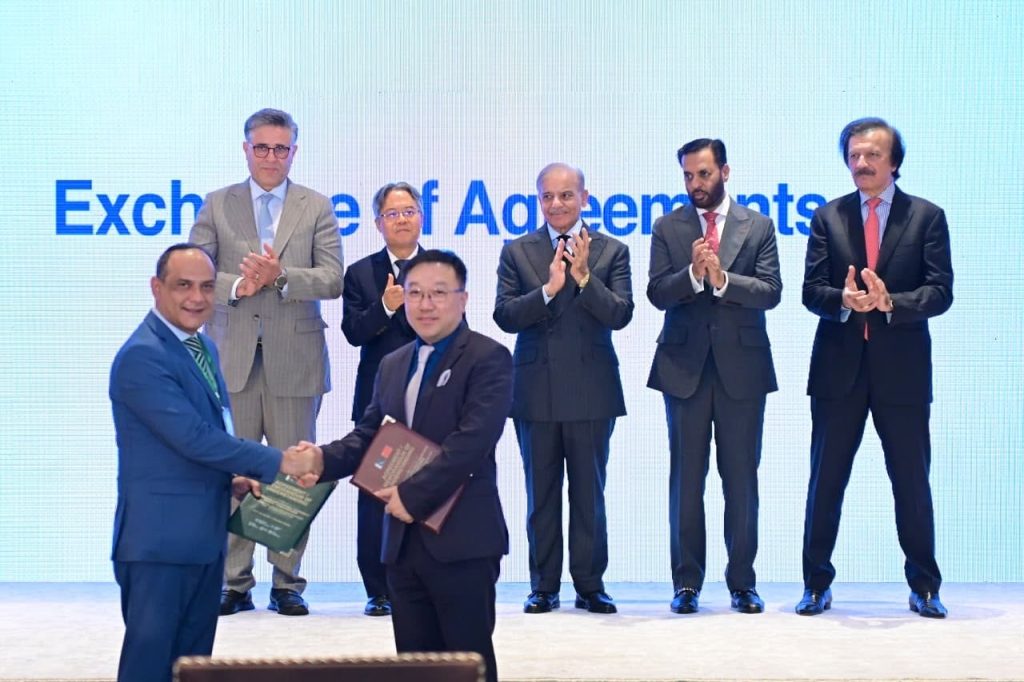
ISLAMABAD: Pakistan and China have opened a new chapter in their strategic partnership as the Pakistan–China Pharmaceutical & Healthcare B2B Investment Conference 2026 concluded in Islamabad with landmark investment commitments, business agreements, and a shared vision to transform Pakistan into a regional pharmaceutical and healthcare manufacturing hub.
The conference marked one of the largest bilateral healthcare investment events ever held between the two countries, bringing together around 180 delegates representing nearly 160 Chinese pharmaceutical and healthcare companies alongside more than 340 Pakistani enterprises from the pharmaceutical, biotechnology, medical devices, diagnostics, and healthcare sectors.
The event concluded with 16 commercial agreements, approximately 80 Memorandums of Understanding (MoUs), and investment commitments valued at around US$850 million, signaling growing confidence among Chinese investors in Pakistan’s healthcare industry and highlighting healthcare as a strategic pillar of China–Pakistan Economic Corridor (CPEC) Phase II.
A New Phase of Pakistan–China Cooperation
For more than a decade, CPEC has transformed Pakistan’s infrastructure through highways, energy projects, Gwadar Port development, and industrial connectivity. The outcomes of the 2026 Pharmaceutical & Healthcare B2B Investment Conference demonstrate that bilateral cooperation is now entering a more knowledge-intensive and technology-driven phase.
Pakistani participants included pharmaceutical manufacturers, biotechnology companies, hospitals, research institutions, investors, exporters, distributors, and healthcare innovators.
The extensive participation reflected growing confidence in Pakistan’s pharmaceutical sector and its long-term investment potential.
Key Outcomes of the Conference
Among the most significant achievements were:
• 16 commercial agreements signed
• Around 80 MoUs concluded
• Approximately US$850 million in expected investment
• New pharmaceutical manufacturing partnerships
• API production projects
• Vaccine manufacturing cooperation
• Medical device production initiatives
• Joint biotechnology ventures
• Research collaborations
• Technology transfer agreements
• Market access cooperation
• Export partnerships
Industry representatives indicated that several investment projects could begin implementation within the next two years, subject to regulatory approvals.
Healthcare: The New Frontier of CPEC 2.0
The conference clearly demonstrated that healthcare is becoming one of the defining sectors of CPEC Phase II.
While the first phase of CPEC concentrated on physical infrastructure, the second phase emphasizes industrial cooperation, innovation, advanced manufacturing, agriculture, digital economy, green development, and healthcare.
Healthcare cooperation under CPEC 2.0 is expected to include:
• Local pharmaceutical manufacturing
• API localization
• Vaccine production
• Biotechnology research
• Medical device manufacturing
• AI-powered healthcare
• Telemedicine
• Smart hospitals
• Clinical research
• Regulatory cooperation
• Human resource development
• Pharmaceutical exports
Together, these initiatives align with China’s broader vision of the Health Silk Road, which promotes international collaboration in public health, medical innovation, and healthcare resilience.
Why API Manufacturing Matters
Pakistan currently produces the majority of its finished medicines domestically but remains heavily dependent on imported Active Pharmaceutical Ingredients (APIs).
This dependence increases production costs and exposes the healthcare sector to global supply-chain disruptions.
Chinese investment in API manufacturing can help:
• Reduce import dependence
• Improve medicine affordability
• Enhance pharmaceutical security
• Strengthen industrial competitiveness
• Increase export capacity
• Create skilled employment
Localization of API production is widely regarded as one of Pakistan’s most important industrial priorities.
Technology Transfer and Innovation
Beyond investment, one of the conference’s greatest long-term benefits lies in technology transfer.
Chinese pharmaceutical companies possess advanced expertise in:
• Biotechnology
• Vaccine development
• Precision manufacturing
• Pharmaceutical automation
• Quality assurance
• Medical equipment
• AI-assisted drug discovery
• Digital health systems
Partnerships with Pakistani companies can accelerate modernization of the country’s pharmaceutical industry while enhancing international competitiveness.
Opportunities for Pakistani Companies
The conference created significant opportunities for Pakistani businesses.
Potential benefits include:
• Joint ventures with Chinese manufacturers
• Access to modern production technologies
• Entry into Chinese markets
• Export diversification
• Research collaboration
• Workforce training
• Improved regulatory compliance
• Increased foreign direct investment
These developments can strengthen Pakistan’s pharmaceutical ecosystem while improving integration into regional value chains.
Supporting Pakistan’s Healthcare Security
The COVID-19 pandemic demonstrated the importance of resilient domestic pharmaceutical and vaccine production.
The new Pakistan–China healthcare partnership supports national health security by promoting local production of:
• Essential medicines
• Vaccines
• Diagnostic products
• Medical devices
• Emergency healthcare supplies
Greater domestic manufacturing capacity will help Pakistan respond more effectively to future public health emergencies.
Employment and Industrial Growth
Investment commitments announced during the conference are expected to generate thousands of skilled employment opportunities.
Growth areas include:
• Pharmaceutical engineering
• Biomedical sciences
• Biotechnology
• Research laboratories
• Clinical trials
• Manufacturing
• Quality assurance
• Healthcare logistics
• Medical technology
• Regulatory affairs
Gateway to Regional Markets
Pakistan’s strategic geographic location offers Chinese investors an attractive manufacturing base serving multiple regions.
Products manufactured through Pakistan–China joint ventures could potentially reach markets across:
• South Asia
• Central Asia
• West Asia
• The Middle East
• Africa
Combined with preferential trade arrangements and improving logistics infrastructure under CPEC, Pakistan could become an important regional pharmaceutical export platform.
Strengthening the Health Silk Road
Healthcare cooperation also contributes to the broader vision of the Health Silk Road, an important component of Belt and Road cooperation focused on:
• Public health collaboration
• Medical innovation
• Healthcare infrastructure
• Disease prevention
• Pharmaceutical cooperation
• Medical education
• Digital health
• Emergency preparedness
Pakistan’s growing role within this framework could position the country as a leading healthcare partner for the Global South.
Challenges Ahead
While the conference achieved significant progress, successful implementation will require continued efforts to:
• Streamline regulatory approvals.
• Improve ease of doing business.
• Strengthen intellectual property protection.
• Expand industrial infrastructure.
• Enhance pharmaceutical quality standards.
• Develop specialized human resources.
• Ensure consistent policy support.
• Facilitate financing for industrial projects.
Effective coordination between government agencies and the private sector will be essential to convert signed agreements into operational investments.
Strategic Significance
The conference represents far more than a business networking event.
It signals a strategic evolution of Pakistan–China cooperation from infrastructure-led development toward innovation-driven industrial partnerships.
Healthcare has emerged as one of the most promising sectors capable of delivering economic growth, technological advancement, healthcare resilience, export expansion, and sustainable development.
As CPEC enters its second phase, pharmaceuticals and healthcare are poised to become flagship sectors alongside digital economy, green energy, agriculture, and advanced manufacturing.
Looking Ahead
The Pakistan–China Pharmaceutical & Healthcare B2B Investment Conference 2026 has laid a strong foundation for long-term cooperation in one of the world’s fastest-growing industries.
If the announced investments are implemented successfully, Pakistan could significantly reduce dependence on imported pharmaceutical raw materials, attract advanced manufacturing technologies, expand exports, strengthen healthcare security, and create thousands of high-value jobs.
More importantly, the conference demonstrates that healthcare is becoming a new frontier of cooperation under CPEC 2.0, reflecting the evolving priorities of both nations as they work together to build resilient industries, promote innovation, and improve the well-being of their peoples.
With investment commitments, technology partnerships, research collaboration, and expanding market access, the conference may well be remembered as the moment when Pakistan and China began shaping the next generation of their strategic partnership—one centered not only on connectivity and infrastructure, but also on health, innovation, and shared prosperity.
The expansion of these industries will also encourage collaboration between universities, research institutes, and the private sector.
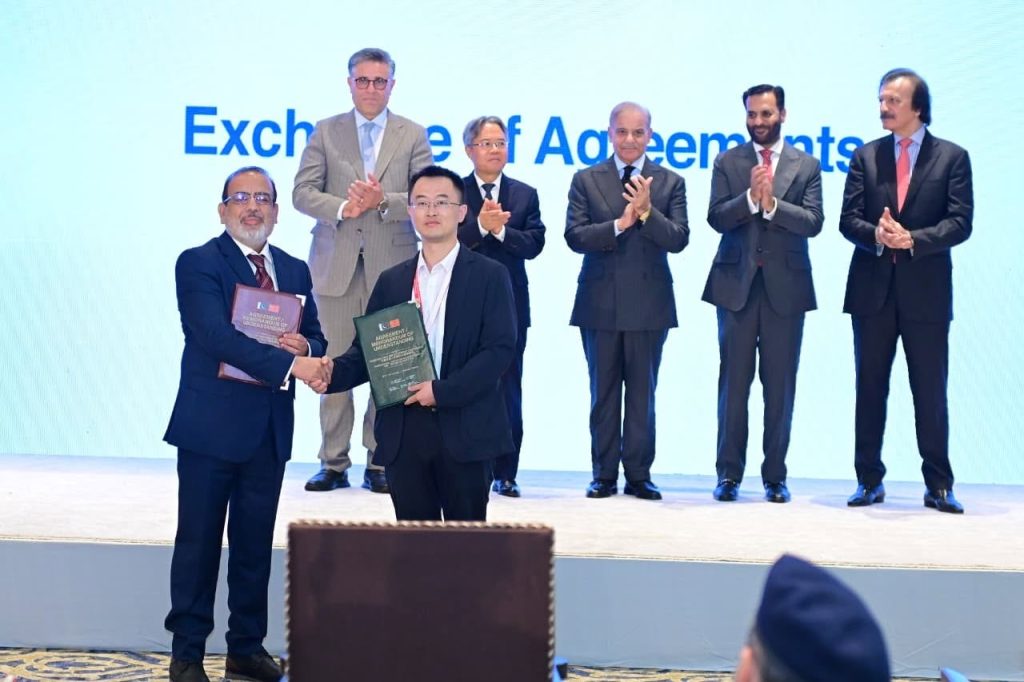
Healthcare, pharmaceuticals, biotechnology, vaccines, medical devices, artificial intelligence in healthcare, and biomedical research are emerging as new engines of economic cooperation.
This transition reflects both countries’ commitment to industrial modernization, supply chain resilience, innovation, and sustainable development while strengthening healthcare security across the region.
Prime Minister Shehbaz Sharif: CPEC 2.0 Expands into Healthcare
Addressing the conference, Prime Minister Shehbaz Sharif described the event as another milestone in the Pakistan–China All-Weather Strategic Cooperative Partnership and emphasized that healthcare and pharmaceutical manufacturing have become priority sectors under CPEC 2.0.
The Prime Minister welcomed the strong participation of Chinese enterprises and said the agreements signed during the conference would promote industrial cooperation, technology transfer, pharmaceutical manufacturing, vaccine production, and research partnerships.
He noted that Pakistan possesses enormous potential to become a regional center for pharmaceutical production and stressed that collaboration with Chinese companies would strengthen local manufacturing capabilities, improve healthcare services, and expand exports.
The Prime Minister also reaffirmed Pakistan’s unwavering commitment to protecting Chinese nationals working in the country, stating that their security remains a top national priority.
Chinese Ambassador Jiang Zaidong: Expanding Industrial Partnership
Chinese Ambassador Jiang Zaidong reaffirmed China’s commitment to expanding bilateral investment and industrial cooperation.
He said the Chinese Embassy would continue facilitating partnerships between enterprises from both countries and expressed confidence that business collaboration in pharmaceuticals and healthcare would inject new momentum into bilateral economic relations.
Ambassador Jiang highlighted China’s growing openness to Pakistani pharmaceutical products, noting that dozens of Pakistani medicines have already entered the Chinese market. He encouraged Pakistani manufacturers to further improve quality standards and expand exports to China and other Belt and Road partner countries.
Record Business Participation
The conference demonstrated unprecedented private-sector engagement.
Chinese companies represented sectors including:
• Pharmaceutical manufacturing
• Active Pharmaceutical Ingredients (APIs)
• Biotechnology
• Vaccines
• Medical equipment
• Hospital technologies
• Digital healthcare
• Diagnostics
• Research and development
• Healthcare logistics
By NSN News Desk
The China-Europe Railway Express (CRE) has emerged as one of the most significant logistics achievements of the 21st century, reshaping the economic geography of Eurasia by connecting manufacturing hubs in China with consumer and industrial markets across Europe through Central Asia, Russia, the Caucasus, and beyond.
Once viewed as an ambitious component of China’s Belt and Road Initiative (BRI), the railway network has evolved into a mature international freight corridor carrying millions of tons of cargo annually. It has shortened transportation times, diversified supply chains, strengthened regional integration, and revived the historical spirit of the ancient Silk Road through modern rail infrastructure.
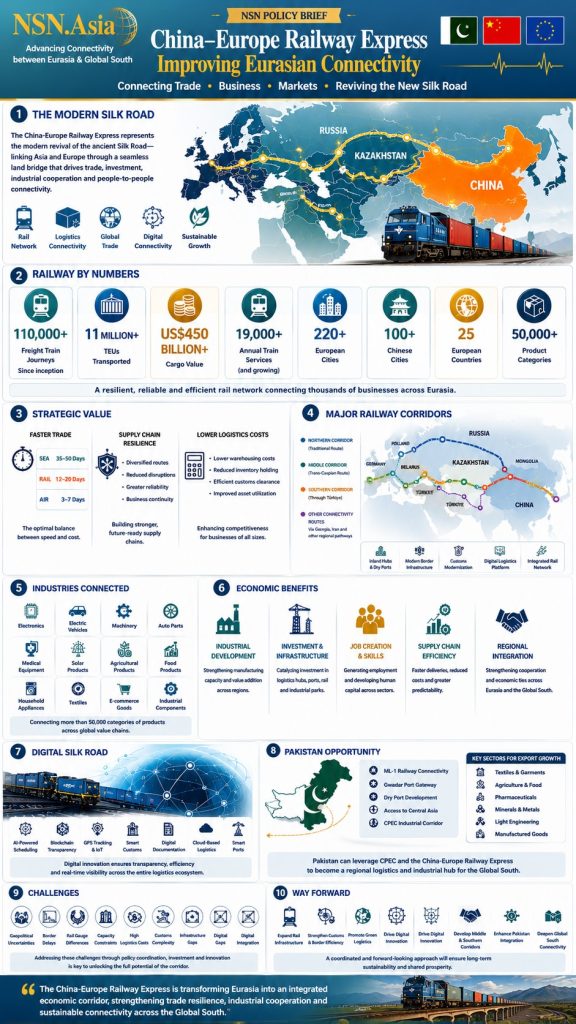
Today, the China-Europe Railway Express is more than a transport network—it is a strategic economic corridor linking industries, businesses, logistics providers, ports, customs authorities, and financial institutions across dozens of countries.
As global supply chains continue to diversify following the COVID-19 pandemic and ongoing geopolitical uncertainties, the China-Europe Railway Express has become increasingly important for ensuring resilient, efficient, and sustainable trade between Asia and Europe.
A Modern Revival of the Ancient Silk Road
More than two thousand years ago, the Silk Road connected China with Central Asia, Persia, the Middle East, and Europe, facilitating not only trade but also cultural exchanges, scientific discoveries, and diplomatic relations.
The China-Europe Railway Express represents the modern version of that historic route.
Instead of camel caravans carrying silk, spices, and porcelain, today’s freight trains transport:
- Electronics
- Electric vehicles
- Machinery
- Auto parts
- Medical equipment
- Solar products
- Household appliances
- Textile products
- Industrial components
- E-commerce goods
- Agricultural products
- Food products
Running through multiple international corridors, these trains have become the backbone of the Silk Road Economic Belt, the land component of the Belt and Road Initiative.
Rapid Growth Since Launch
The first China-Europe Railway Express departed from Chongqing in 2011.
Few observers expected that within little more than a decade the network would become one of the world’s busiest international freight rail systems.
Today, the network serves:
- More than 220 cities in Europe
- Over 100 Chinese cities
- Around 25 European countries
- Transit through Central Asia and neighboring regions
- Thousands of logistics enterprises
The railway has expanded from a handful of pilot services into a sophisticated network operating daily trains in both directions.
Its rapid development reflects growing confidence among manufacturers, exporters, importers, and logistics companies.
Record Cargo Volumes
The China-Europe Railway Express has experienced remarkable growth over the past decade.
Recent operational statistics indicate:
- More than 110,000 cumulative freight train journeys since operations began.
- Over 11 million TEUs (Twenty-foot Equivalent Units) transported.
- Cargo valued at well above US$450 billion.
- Annual train departures now exceed 19,000 services, with continued year-on-year growth.
- Rail services connect over 50,000 categories of products, ranging from industrial machinery to cross-border e-commerce goods.
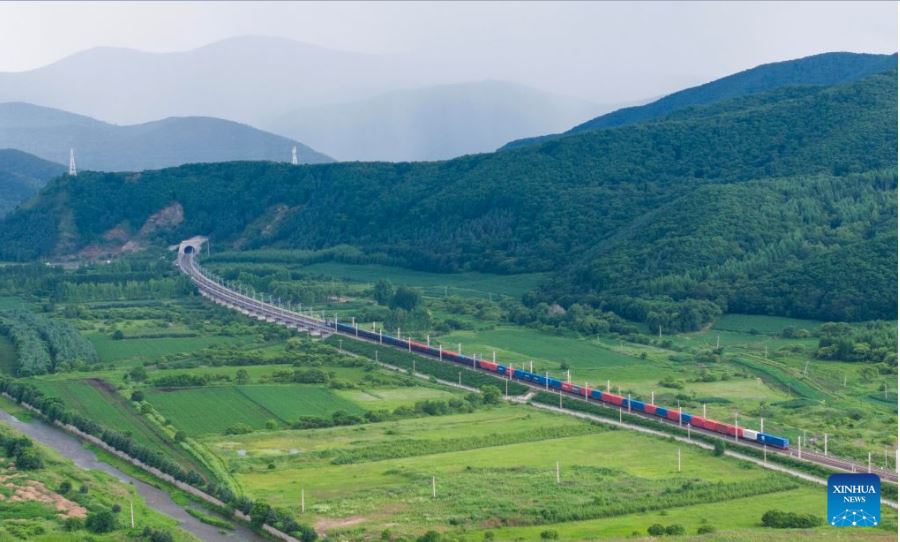
The network has maintained steady expansion despite global disruptions such as the COVID-19 pandemic, shipping bottlenecks, and geopolitical tensions, demonstrating the resilience of rail freight as a strategic transport option.
Connecting Eurasian Markets
The railway has fundamentally changed how businesses trade across Eurasia.
Previously, companies relied primarily on:
- Ocean shipping
- Air freight
- Limited overland trucking
Each option presented challenges.
Sea transport is economical but slow.
Air freight is fast but expensive.
Rail now offers a balanced alternative.
Average delivery times:
| Mode | Transit Time |
|---|---|
| Sea | 35–50 days |
| Rail | 12–20 days |
| Air | 3–7 days |
This middle-ground solution has attracted manufacturers seeking reliable delivery while controlling logistics costs.
Strengthening Regional Connectivity
The China-Europe Railway Express crosses numerous countries, including:
- China
- Kazakhstan
- Mongolia
- Russia
- Belarus
- Poland
- Germany
- Hungary
- Serbia
- Türkiye
- Uzbekistan
- Azerbaijan (via multimodal routes)
- Georgia
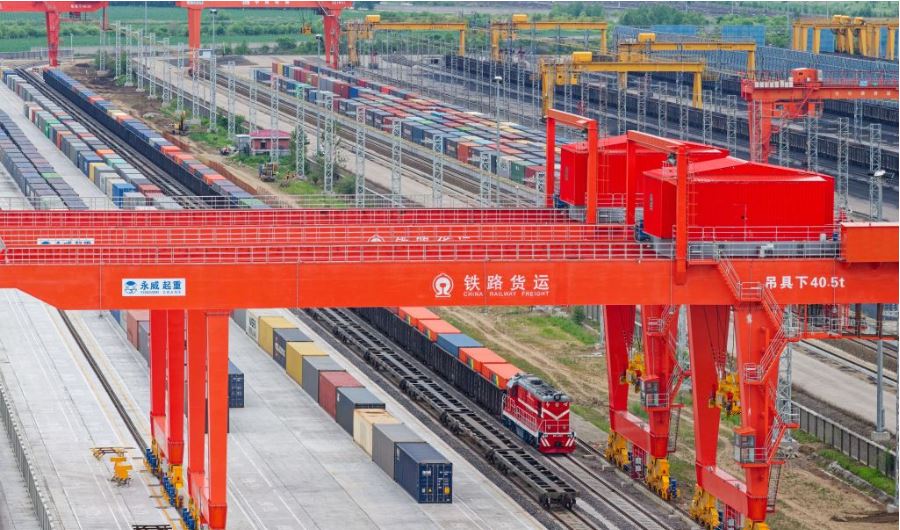
These corridors have encouraged investment in:
- Inland logistics hubs
- Dry ports
- Container terminals
- Border infrastructure
- Customs modernization
- Digital logistics platforms
Cities once considered remote inland locations have become major logistics centers.
Examples include:
- Xi’an
- Chongqing
- Chengdu
- Zhengzhou
- Wuhan
- Duisburg
- Lodz
- Budapest
Boosting International Trade
The railway supports trade by enabling:
- Faster inventory turnover
- Lower warehousing costs
- Improved supply chain predictability
- Better market access for SMEs
- Just-in-time manufacturing
For exporters, reduced delivery times improve competitiveness.
For importers, predictable schedules reduce inventory risks.
This has encouraged greater cross-border commercial activity across Eurasia.
Driving Cross-Border E-Commerce
One of the fastest-growing users of the China-Europe Railway Express is the e-commerce industry.
Major online retailers increasingly depend on rail to transport:
- Consumer electronics
- Fashion
- Home appliances
- Sports equipment
- Furniture
- Toys
Rail offers:
- Faster delivery than sea
- Lower costs than air freight
- Reduced carbon emissions
As cross-border online shopping expands, rail logistics continues to gain market share.
Supporting Green Logistics
Compared with air transport, rail freight significantly reduces carbon emissions.
According to logistics industry estimates:
- Rail emits roughly 80–90% less CO₂ than air freight for equivalent cargo volumes.
- Energy-efficient rail systems contribute to national decarbonization goals.
- Electrified railway corridors support cleaner transport compared with diesel-dependent alternatives.
As governments pursue net-zero commitments, the China-Europe Railway Express aligns with global efforts to promote sustainable logistics.
Economic Benefits Across Eurasia
The railway generates wide-ranging economic benefits.
These include:
Job Creation
Expansion of logistics parks creates employment in:
- Warehousing
- Customs
- Freight forwarding
- Manufacturing
- Container handling
Industrial Development
Manufacturers increasingly locate production facilities near rail hubs.
Industrial clusters have developed around:
- Xi’an
- Chengdu
- Chongqing
- Zhengzhou
Similar developments are emerging in Central Asia and Eastern Europe.
SME Opportunities
Small and medium-sized enterprises now enjoy greater access to overseas markets without relying solely on maritime transport.
This supports export diversification.
Investment Attraction
Improved transport infrastructure encourages foreign direct investment.
Logistics reliability remains a key factor influencing investment decisions.
Importance for Central Asia
Central Asia has become a major beneficiary.
Kazakhstan, in particular, has transformed into one of Eurasia’s most important logistics gateways.
Major dry ports, including Khorgos, have become central transfer points between China’s standard-gauge railway and the broader Eurasian rail network.
Countries such as Uzbekistan and Kyrgyzstan are also improving transport links to integrate more closely into regional supply chains.
Opportunities for Pakistan
Although Pakistan is not yet directly connected to the China-Europe Railway Express network, significant opportunities exist through the China-Pakistan Economic Corridor (CPEC).
Future possibilities include:
- Integration of Gwadar Port with Eurasian logistics.
- Rail modernization under ML-1.
- Dry ports linked to Central Asia.
- Transit trade with Western China.
- Export corridors for textiles, agriculture, pharmaceuticals, and minerals.
Enhanced regional railway connectivity could eventually position Pakistan as a complementary gateway connecting maritime and overland trade routes.
Digital Transformation
Modern railway operations increasingly depend upon digital technologies.
These include:
- Electronic customs clearance
- AI-powered scheduling
- GPS cargo tracking
- Digital freight documentation
- Blockchain-enabled supply chain verification
- Smart logistics platforms
Digitalization reduces border delays while improving cargo visibility.
Challenges Ahead
Despite remarkable success, challenges remain.
These include:
Geopolitical uncertainty
International political tensions continue affecting certain transit routes.
Infrastructure bottlenecks
Border crossings occasionally experience congestion due to differing railway gauges and customs procedures.
Operational costs
Rail remains more expensive than sea freight for certain cargo categories.
Capacity constraints
Growing demand requires continued investment in:
- Rolling stock
- Container terminals
- Digital systems
- Customs modernization
Route diversification
Expansion of:
- Middle Corridor
- Caspian routes
- Southern corridors
will strengthen resilience.
Future Outlook
The future of the China-Europe Railway Express appears promising.
Emerging trends include:
- Greater integration with Central Asian railways.
- Increased multimodal transport combining rail, ports, and highways.
- Expansion of digital Silk Road technologies.
- Growth of green logistics initiatives.
- Increased use for electric vehicle exports.
- Better customs coordination.
- Wider participation by developing economies.
As Eurasian economies continue integrating, rail freight is expected to play an even greater role.
The Strategic Importance of the New Silk Road
The China-Europe Railway Express is not merely a transport service.
It represents:
- Economic integration
- Regional cooperation
- Supply chain resilience
- Infrastructure connectivity
- Shared development
The railway supports broader objectives including:
- Trade facilitation
- Industrial cooperation
- Investment promotion
- Regional development
- Sustainable transport
Its success illustrates how infrastructure can become a catalyst for economic transformation.
Way Forward
To maximize the benefits of the China-Europe Railway Express, governments and stakeholders should focus on:
- Expand Rail Infrastructure: Invest in additional tracks, intermodal terminals, and dry ports to increase capacity and reduce congestion.
- Enhance Customs Cooperation: Accelerate harmonization of customs procedures through digital platforms and mutual recognition agreements.
- Strengthen Multimodal Connectivity: Integrate rail with seaports, highways, inland waterways, and air cargo hubs to create seamless logistics networks.
- Promote Green Transport: Increase electrification, adopt renewable energy for logistics hubs, and incentivize low-carbon freight solutions.
- Support SMEs: Provide affordable logistics services, digital trade platforms, and export financing so that small and medium-sized enterprises can fully benefit from Eurasian rail connectivity.
- Diversify Routes: Expand the Middle Corridor and Southern Corridor to enhance resilience against geopolitical or operational disruptions.
- Integrate Emerging Economies: Countries such as Pakistan, through CPEC, can position themselves as complementary gateways by modernizing rail infrastructure and linking ports with inland logistics networks.
- Leverage Digital Innovation: Deploy artificial intelligence, blockchain, and smart customs systems to improve cargo tracking, security, and efficiency.
Conclusion
The China-Europe Railway Express has evolved from a visionary infrastructure project into one of the world’s most important transcontinental logistics networks. By significantly reducing transit times, connecting hundreds of cities across Asia and Europe, and carrying goods worth hundreds of billions of dollars, it has become a cornerstone of modern Eurasian trade.
Beyond freight transport, the railway symbolizes the revival of the New Silk Road—promoting connectivity, investment, industrial cooperation, and people-to-people exchanges across a vast region. As businesses seek resilient supply chains and governments prioritize sustainable infrastructure, the China-Europe Railway Express is well positioned to play an even greater role in shaping the future of global commerce.
For countries across the Global South, including Pakistan, the expanding Eurasian rail network presents new opportunities to integrate into regional value chains, diversify exports, and attract investment. Through strategic infrastructure development, digital innovation, and enhanced regional cooperation, the China-Europe Railway Express can continue to strengthen economic connectivity and foster shared prosperity across Eurasia for decades to come.
]]>By Muhammad Arif, Editor NSN.Asia
ISLAMABAD (NSN) — Deputy Prime Minister and Foreign Minister Senator Mohammad Ishaq Dar on Wednesday received Secretary-General of the Shanghai Cooperation Organization (SCO), Nurlan Yermekbayev, for wide-ranging discussions on strengthening regional cooperation, economic connectivity, and preparations for Pakistan’s upcoming leadership role within the organization.
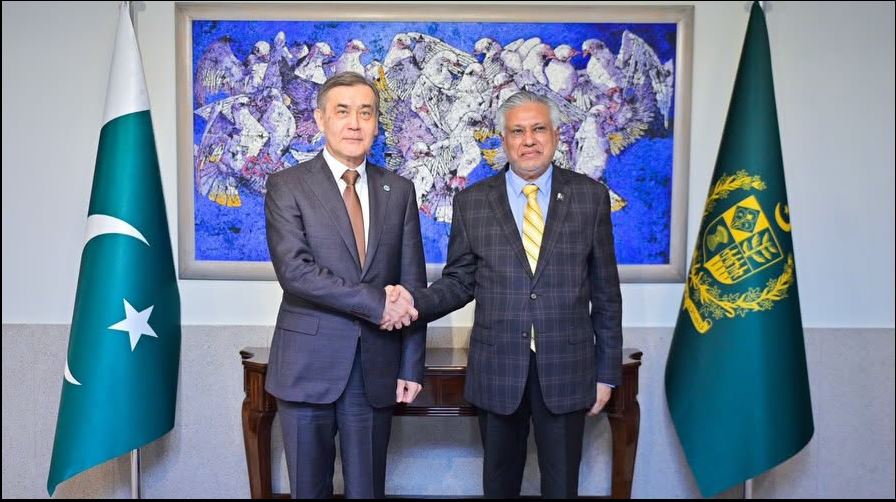
The meeting underscored Pakistan’s growing engagement with one of the world’s largest regional organizations at a time when Islamabad is preparing to assume the Chairmanship of the SCO Council of Heads of State (CHS) in September 2026 and host the SCO Summit in 2027.
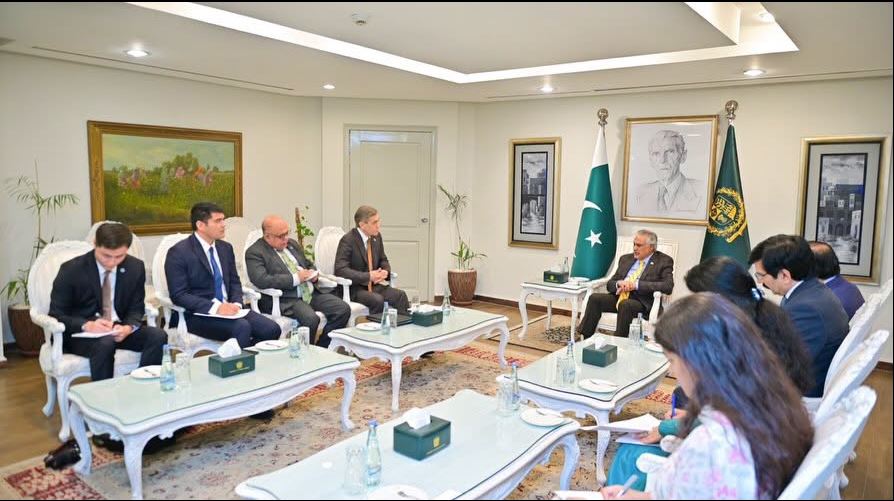
According to official sources, both sides held a productive exchange on the SCO’s priorities and explored practical ways to deepen cooperation among member states in key sectors, including trade, transport, connectivity, regional integration, and sustainable economic development.
The discussions also covered important regional and international developments affecting Eurasia and neighboring regions, reflecting the SCO’s increasing role in promoting dialogue, stability, and cooperative security.
Secretary-General Nurlan Yermekbayev appreciated Pakistan’s constructive contributions toward regional peace, stability, and multilateral cooperation. He acknowledged Islamabad’s active participation in SCO initiatives and highlighted the country’s important role in advancing regional connectivity and dialogue among member states.
During the meeting, the SCO Secretary-General also shared his perspectives on enhancing the organization’s institutional effectiveness and operational efficiency. He briefed the Deputy Prime Minister on preparations for the forthcoming SCO Council of Foreign Ministers (CFM) Meeting scheduled to be held in Bishkek, Kyrgyzstan.
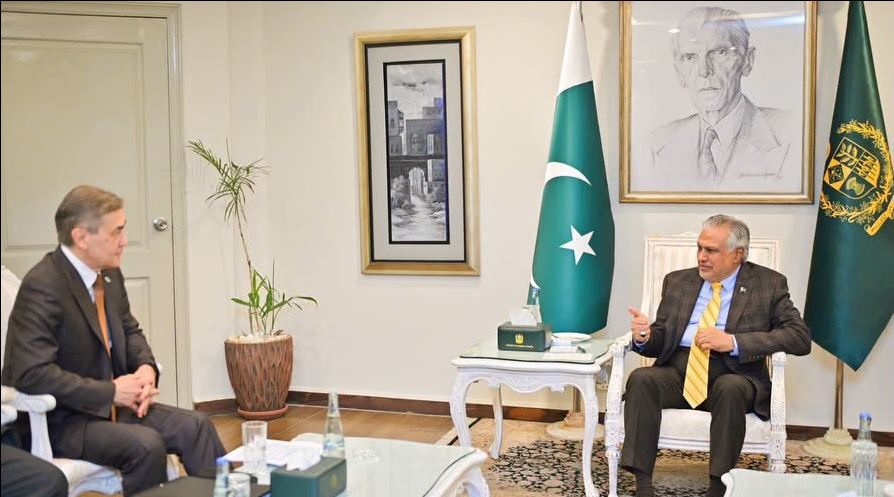
Deputy Prime Minister Ishaq Dar reaffirmed Pakistan’s unwavering commitment to advancing the objectives and principles of the Shanghai Cooperation Organization. He emphasized Pakistan’s readiness to work closely with all SCO member states in preparation for assuming the Chairmanship of the Council of Heads of State in September 2026 and successfully hosting the SCO Summit in 2027.
The meeting reflected Pakistan’s continued commitment to multilateral diplomacy and its strategic vision of promoting peace, connectivity, economic cooperation, and sustainable development across the wider Eurasian region.
Background: What is the Shanghai Cooperation Organization (SCO)?
The Shanghai Cooperation Organization is one of the world’s largest regional intergovernmental organizations, representing nearly half of the global population and a substantial share of the world’s economic output and landmass.
Established in 2001, the SCO evolved from the “Shanghai Five” mechanism, originally created to build confidence and resolve border issues among neighboring countries. Over the past two decades, the organization has transformed into a comprehensive platform addressing regional security, economic cooperation, trade facilitation, transportation, energy collaboration, cultural exchanges, digital transformation, and people-to-people connectivity.
The SCO currently includes:
- China
- Russia
- Pakistan
- India
- Kazakhstan
- Kyrgyzstan
- Tajikistan
- Uzbekistan
- Iran
- Belarus
The organization also maintains dialogue partnerships and observer relationships with numerous countries across Asia, the Middle East, and beyond, expanding its influence as an important Eurasian institution.
The SCO operates on the principles commonly referred to as the “Shanghai Spirit,” emphasizing:
- Mutual trust
- Mutual benefit
- Equality
- Consultation
- Respect for cultural diversity
- Pursuit of common development
These principles have enabled member states with diverse political systems, economic structures, and strategic interests to cooperate on shared regional priorities.
Pakistan’s Growing Role in the SCO
Pakistan became a full member of the Shanghai Cooperation Organization in 2017, marking a significant milestone in the country’s regional diplomacy.
Since joining the organization, Pakistan has actively participated in SCO ministerial meetings, security cooperation mechanisms, economic forums, cultural exchanges, and connectivity initiatives.
Islamabad views the SCO as an important platform for:
- Strengthening regional peace and stability
- Promoting economic integration
- Expanding trade with Eurasian markets
- Enhancing transport corridors
- Advancing energy cooperation
- Combating terrorism, extremism, and transnational crime
- Encouraging scientific, educational, and technological collaboration
Pakistan’s strategic geographic location makes it a natural bridge connecting South Asia, Central Asia, Western China, and the Middle East. This position aligns closely with the SCO’s long-term vision of improving regional connectivity through modern transportation networks and trade corridors.
Projects linked to the China-Pakistan Economic Corridor (CPEC), regional railway initiatives, digital connectivity, logistics infrastructure, and cross-border trade continue to reinforce Pakistan’s importance within the broader SCO framework.
Significance of Pakistan Assuming the SCO Chairmanship in 2026
Pakistan is scheduled to assume the Chairmanship of the SCO Council of Heads of State (CHS) in September 2026.
The Chairmanship represents one of the highest leadership responsibilities within the organization and provides Pakistan with an opportunity to shape the agenda of the SCO during its tenure.
As Chair, Pakistan will coordinate consultations among member states, facilitate consensus-building, oversee preparations for major meetings, and advance initiatives related to economic cooperation, regional connectivity, sustainable development, digital transformation, climate resilience, energy security, and cultural exchanges.
The Chairmanship will also allow Pakistan to highlight its vision for greater regional integration while promoting dialogue among member countries on shared challenges and emerging opportunities.
Diplomatic observers view the Chairmanship as an opportunity for Islamabad to strengthen its profile as an active stakeholder in Eurasian affairs and reinforce its commitment to multilateral diplomacy.
Pakistan to Host the SCO Summit in 2027
One of the most significant outcomes of Pakistan’s Chairmanship will be hosting the SCO Council of Heads of State Summit in 2027.
The summit will bring together Heads of State and Government from member countries, senior ministers, international organizations, and high-level delegations for discussions on regional cooperation and global challenges.
Hosting the summit is expected to provide Pakistan with several strategic advantages.
Diplomatically, the event will place Pakistan at the center of regional engagement by welcoming leaders representing some of the world’s largest economies and fastest-growing markets.
Economically, the summit could stimulate discussions on trade facilitation, investment, regional infrastructure, logistics, digital connectivity, transport corridors, and sustainable development initiatives.
The summit is also expected to showcase Pakistan’s hospitality, organizational capacity, security arrangements, and commitment to constructive regional cooperation.
In addition, the event is likely to attract significant international media attention, providing an opportunity to project Pakistan’s economic potential, investment opportunities, tourism, and strategic importance within Eurasia.
SCO’s Expanding Importance in a Changing Global Landscape
The Shanghai Cooperation Organization has steadily evolved into an influential platform addressing both traditional and emerging challenges.
Beyond security cooperation, member states increasingly focus on economic resilience, supply chain connectivity, digital innovation, climate adaptation, energy security, public health cooperation, food security, and sustainable infrastructure.
As geopolitical dynamics continue to evolve across Eurasia, the SCO offers an important forum where member countries can engage through dialogue rather than confrontation.
For Pakistan, active engagement within the organization complements its broader foreign policy objectives of maintaining balanced relations, promoting regional peace, encouraging economic diplomacy, and expanding partnerships with neighboring countries.
Looking Ahead
The meeting between Deputy Prime Minister and Foreign Minister Senator Mohammad Ishaq Dar and SCO Secretary-General Nurlan Yermekbayev highlighted the growing momentum in Pakistan’s engagement with the Shanghai Cooperation Organization.
With preparations underway for the upcoming Council of Foreign Ministers Meeting in Bishkek, Pakistan is entering a crucial phase as it prepares to assume the Chairmanship of the SCO Council of Heads of State in September 2026 and host the landmark SCO Summit in 2027.
These milestones present Islamabad with a unique opportunity to contribute to shaping the future direction of one of the world’s most influential regional organizations while advancing cooperation in connectivity, trade, infrastructure, sustainable development, regional peace, and shared prosperity.
As Pakistan works closely with fellow SCO member states, its leadership during the forthcoming Chairmanship is expected to reinforce the country’s commitment to constructive multilateral engagement and strengthen the organization’s role as a platform for dialogue, regional integration, and collective development across Eurasia.
]]>The recent meeting in Astana between the leaders of Azerbaijan, Turkey, and Pakistan marks a significant step towards deeper political, economic, and military cooperation among the three nations. This trilateral relationship holds considerable promise for their future development.
The cooperation among these three countries is rooted in a shared history and common strategic interests. Azerbaijan, Turkey, and Pakistan have demonstrated a consistent alignment on key international issues, such as the situations in Gaza, Cyprus, and Kashmir, as well as the broader challenge of Islamophobia. The Nagorno-Karabakh and Kashmir disputes, along with the ongoing situations in Afghanistan and Gaza, pose threats to their respective regions. A cohesive approach to these issues might lead to more effective conflict resolution and stability.
Their united stance on these matters reflects a commitment to mutual support and advocacy on the global stage. This solidarity is likely to strengthen, fostering an environment where these countries can present a unified front in international forums, thereby enhancing their collective influence. The political cooperation is also intended to support each other in international forums such as the United Nations and the Organization of Islamic Cooperation, where their combined voices could advocate for mutual interests more effectively.
Azerbaijan, with its vast energy resources, Turkey, with its strategic location bridging Europe and Asia, and Pakistan, with its significant human and economic potential, form a complementary trio. Their collaboration could lead to the development of new trade corridors and investment opportunities, boosting economic growth across the region. Joint initiatives in infrastructure, energy, and technology could leverage each country’s strengths, creating synergies that benefit all three.
Currently, the trade volume between Turkey and Pakistan stands at around $1 billion, with ambitions to increase it to $5 billion in the coming years. Similarly, Azerbaijan’s energy resources, including its significant oil and gas reserves, can be a key area of cooperation. Turkey, which serves as a bridge between Europe and Asia, could facilitate the export of Azerbaijani energy to broader markets, while Pakistan’s growing energy needs could be met through these resources. Joint infrastructure projects, such as the development of transportation corridors, can further bolster economic integration. The planned Baku-Tbilisi-Kars railway and other connectivity projects could significantly enhance trade efficiency and economic interdependence.
Regular joint exercises and training programs can enhance the operational capabilities and interoperability of the three countries’ armed forces. Turkey’s advanced defense technology, coupled with Pakistan’s military expertise and Azerbaijan’s strategic needs, presents an opportunity for these countries to develop a formidable defense partnership.
Turkey and Pakistan already have a strong history of military collaboration, with numerous joint exercises conducted over the years. Extending such cooperation to include Azerbaijan can further solidify their collective defense capabilities. The defense budgets of Turkey and Pakistan, approximately $20 billion and $11 billion respectively, reflect their significant military investments, which could be complemented by Azerbaijan’s strategic location and resources. Collaborative defense technology development and procurement can lead to advancements in military capabilities, ensuring better preparedness against common security threats.
The trilateral alliance provides these nations with a platform to address regional conflicts and transnational threats more effectively and collectively. Their shared emphasis on sovereignty and territorial integrity underscores a commitment to resolving disputes through dialogue and cooperation. As these nations continue to collaborate and build on their shared goals, their collective influence and prosperity are likely to grow, making them key players on the international stage.
Pakistan’s participation in the Middle Corridor, also known as the Trans-Caspian International Transport Route (TITR), a trans-Eurasian trade route connecting China to Europe through Central Asia, the Caspian Sea, and Turkey, has the potential to significantly enhance economic and trade relations for Pakistan. The Middle Corridor begins in China, where it taps into the extensive Chinese rail network. From China, the corridor moves into Central Asia, passing through Kazakhstan. Kazakhstan’s rail network plays a crucial role in this segment, with significant logistics hubs in cities like Almaty and Aktau.
The goods then cross the Caspian Sea, typically via ferries that connect the Kazakh port of Aktau with Baku, the capital of Azerbaijan. This sea crossing is a vital link in the Middle Corridor. Once in Azerbaijan, the cargo continues through the Caucasus region, utilizing Azerbaijan’s railways and heading towards Georgia. The route often includes the Baku-Tbilisi-Kars (BTK) railway, a key infrastructure project that links Baku with Tbilisi in Georgia and Kars in Turkey. From Kars, the goods move through Turkey’s extensive rail network, eventually reaching the ports and rail connections in Europe. Turkey acts as a critical bridge between Asia and Europe in this corridor. Finally, the cargo enters the European railway system, where it can be transported to various destinations across the continent.
Through the trilateral cooperation model between Pakistan, Azerbaijan, and Turkey, Pakistan has a huge potential and opportunity to diversify its economic and trade relations not only with Turkey and Azerbaijan but also with broader markets through their support. This involvement can lead to diversified trade routes, increased connectivity, and substantial economic growth. Pakistan’s integration into the Middle Corridor is aimed to bolster its trade routes with Central Asia and Europe.
By leveraging the infrastructure and connectivity provided by this corridor, Pakistan can reduce transportation costs and transit times for its exports, making its goods more competitive in international markets. For instance, goods transported via the Middle Corridor can reach European markets in approximately 15 days, compared to the 45-60 days via traditional maritime routes. This efficiency can make Pakistani products more competitive in international markets. This improved connectivity will facilitate the flow of goods such as textiles, agricultural products, and manufactured items, thereby expanding Pakistan’s export base and opening up new markets.
Participation in the Middle Corridor can attract foreign direct investment (FDI) into Pakistan’s infrastructure and logistics sectors, especially through the connectivity options that Pakistan can provide to this entire corridor. The development of new transportation hubs, railways, and ports along the corridor can lead to job creation and economic development in these regions. For example, investments in the Gwadar port, part of the China-Pakistan Economic Corridor (CPEC), can be synergized with the Middle Corridor to create a more integrated trade network. This integration can position Pakistan as a pivotal trade hub in South Asia, potentially increasing its GDP by up to 2-3% annually through enhanced trade and investment flows.
Pakistan’s involvement in the Middle Corridor is expected to strengthen its economic ties with key regional players Turkey and Azerbaijan. As part of this trilateral cooperation, Pakistan can benefit from joint ventures, collaborative projects, and shared expertise in areas such as energy, construction, and technology. For example, the construction of infrastructure projects, such as railways and highways, can be undertaken with the support of Turkish and Azerbaijani companies, leveraging their experience and resources. This collaboration can enhance Pakistan’s infrastructure capabilities and accelerate its economic growth. Strengthened economic ties with Turkey and Azerbaijan can open up new markets for Pakistani goods, ranging from textiles to agricultural products.
Participation in the Middle Corridor can facilitate the diversification of Pakistan’s export destinations. Currently, Pakistan’s major trading partners are concentrated in a few regions, with significant exports to the United States, China, and the United Arab Emirates. The Middle Corridor opens up new markets in Central Asia and Europe, reducing dependency on a few trade partners and spreading economic risk. For instance, Central Asian countries, with a collective GDP of over $300 billion, represent untapped markets for Pakistani goods and services. Through effective strategies and encouragement for the Pakistani business enterprises, the country can benefit immensely from this grand “opportunity corridor,” as I must say.
In conclusion, the recent meeting in Astana symbolizes more than just a diplomatic gathering. It signifies a strategic realignment and an ambitious vision for a collaborative future. As Azerbaijan, Turkey, and Pakistan continue to build on their shared goals and interests, their combined efforts are set to reshape the geopolitical landscape, fostering stability, prosperity, and a new era of cooperation.
(If you possess specialized knowledge and wish to contribute, please reach out to us at opinions@news.az).
]]>