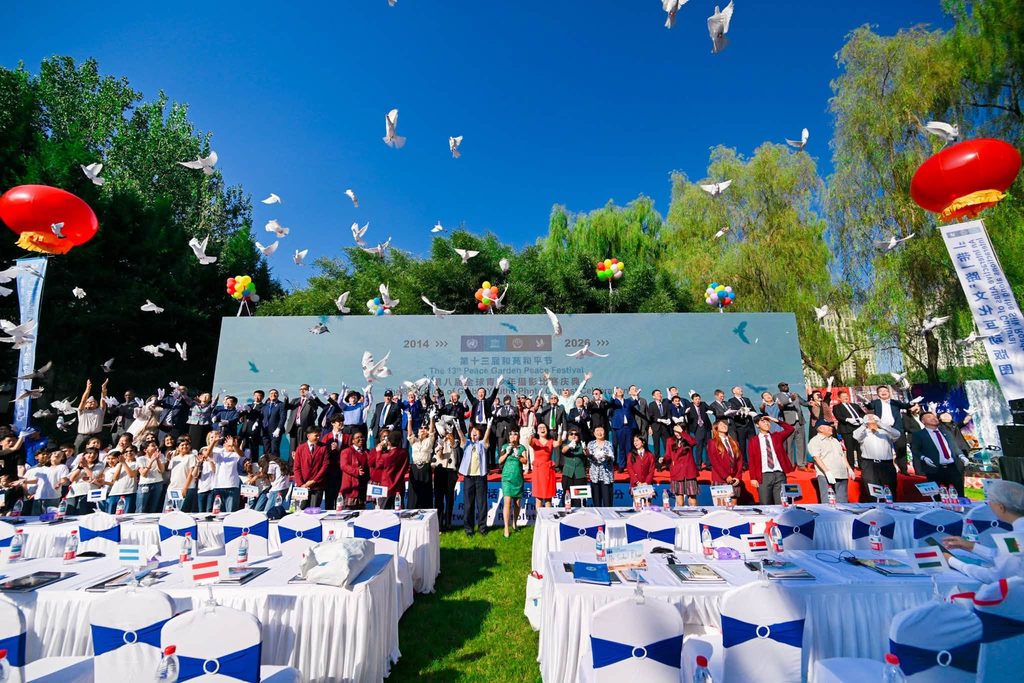
The 13th Peace Garden Peace Festival opened in Beijing on 21 September 2026, bringing the United Nations’ International Day of Peace into direct conversation with a narrative China and its regional partners have spent over a decade cultivating: the Silk Road Spirit. Held under the theme “New Silk Road, New Thinking Route: International Network Dialogue, Resolutions of Divergences and Conflicts,” the festival drew a formal greeting from Shanghai Cooperation Organisation Secretary-General Nurlan Yermekbayev, delivered on his behalf by Deputy Secretary-General Sohail Khan — a message that offers a compact case study in how two very different peacebuilding traditions, one rooted in universal UN mandate and the other in cultural and civilisational narrative, are increasingly being woven together.
A Theme Built for the Moment
The timing was no coincidence: organisers deliberately scheduled this year’s festival to coincide with the International Day of Peace. The theme itself is worth sitting with, too. It does not simply invoke the Silk Road as a historical metaphor for connection, but explicitly frames it as a “thinking route” — a pathway not for goods or capital, but for dialogue capable of resolving divergence and conflict. That framing positions cultural and intellectual exchange as a peacebuilding tool in its own right, on equal footing with the diplomatic and security mechanisms more conventionally associated with conflict resolution.
The SCO’s Message: Diversity as Resource, Not Risk
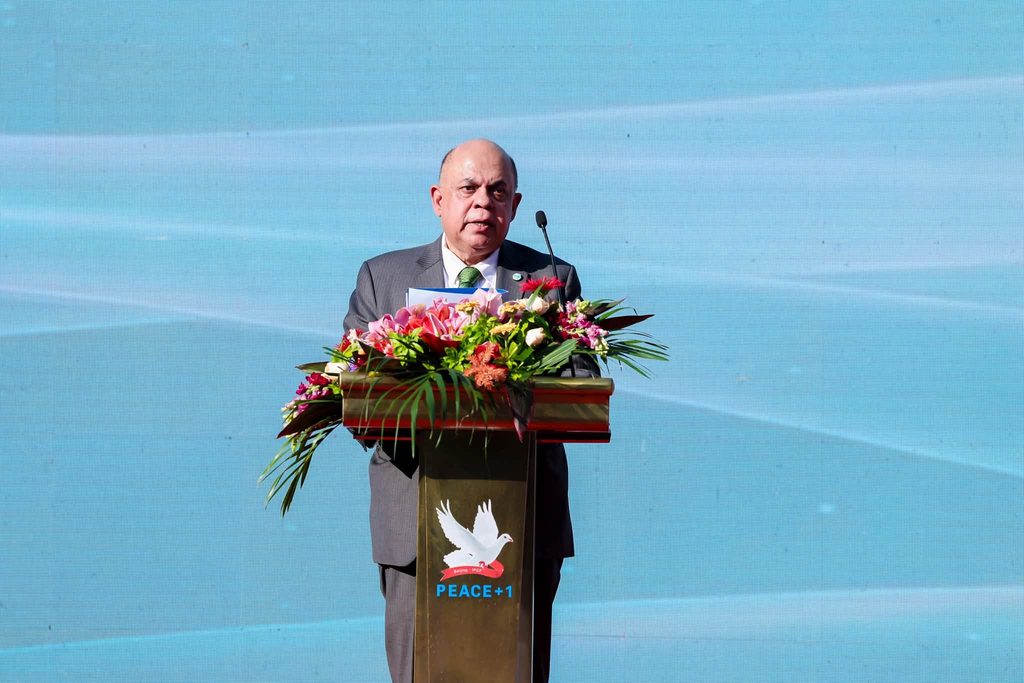
SCO Secretary-General Nurlan Yermekbayev’s greeting to festival participants, delivered on his behalf by Deputy Secretary-General Sohail Khan, articulated a specific philosophical position on the relationship between cultural diversity and international stability. “The SCO proceeds from the premise that the diversity of civilizations and cultures is an important resource for international cooperation,” Yermekbayev stated. “At the same time, culture remains a universal language of communication that helps maintain dialogue and form a solid foundation for peace, good-neighbourliness and sustainable development.”
This is a notable framing choice. In much international discourse, civilisational and cultural diversity is treated primarily as a source of friction to be managed — a variable requiring careful diplomatic handling to prevent misunderstanding or conflict. Yermekbayev’s message inverts that framing, presenting diversity instead as a resource that strengthens cooperation, provided it is channelled through sustained dialogue. He added that this understanding is precisely why SCO member states have been steadily expanding interaction along the cultural and humanitarian track — an indication that, within the organisation’s broader architecture spanning security, economic, and political cooperation, cultural exchange is increasingly treated as a deliberate, formalised pillar rather than a peripheral gesture.
The choice to have Deputy Secretary-General Sohail Khan personally deliver the message, rather than issuing a written statement alone, also signals the weight the organisation placed on ensuring direct representation at the event.
Backgrounder: How the World Arrived at a Fixed Peace Day
The International Day of Peace did not begin as the fixed, globally synchronised observance it is today. The United Nations General Assembly first proclaimed the day in 1981 through resolution 36/67, initially anchoring its observance to the third Tuesday of September — a date that shifted each year depending on the calendar. Two decades later, in 2001, the General Assembly unanimously adopted resolution 55/282, fixing the date permanently at 21 September starting in 2002, and crucially designating it as a day of global ceasefire and non-violence.
That shift, from a floating calendar date to a fixed one carrying an explicit ceasefire mandate, mattered. It transformed the day from a loosely symbolic gesture into something with a concrete, if largely aspirational, ask directed at every UN member state and, implicitly, at parties to conflict everywhere: lay down arms, even briefly, on this one date. In the years since, that ask has been kept visible less through enforcement — the UN has no mechanism to compel a ceasefire — than through the accumulation of public observances, humanitarian appeals, and cultural events held annually around the world, of which Beijing’s Peace Garden Peace Festival is one recurring example.
Two Traditions, One Convening Point
What makes this year’s festival notable is not the SCO’s presence alone, but the specific alignment between two peacebuilding vocabularies that don’t automatically overlap. The UN’s Peace Day rests on universal, treaty-based legitimacy — a single date observed, at least nominally, by every member state regardless of political system or regional alignment, built around a concrete, if unenforceable, demand. The Silk Road Spirit is a more particular narrative, rooted in a specific historical memory of trade and exchange along ancient routes connecting China with Central Asia, the Middle East, and beyond, and has become a recurring rhetorical anchor for China’s Belt and Road Initiative and, increasingly, for institutions closely aligned with it, including the SCO.
These two traditions are not naturally identical, but they share a structural premise: that sustained contact and dialogue between different peoples and systems reduces, rather than increases, the likelihood of conflict. Beijing’s festival, by explicitly theming itself around a “New Silk Road” of dialogue on the same date the UN has set aside for global ceasefire, functions as a deliberate point of convergence between the two — one that allows an organisation like the SCO to situate its own cultural diplomacy squarely within a universally recognised international observance, lending it a legitimacy that a purely China-specific framing might not carry on its own.
Conclusion: What the Convergence Is Worth
Whether this convergence between UN Peace Day and Silk Road Spirit amounts to more than complementary rhetoric is the harder question, and one that a single festival greeting cannot answer. Cultural dialogue is, by most measures, a necessary but insufficient condition for peace — valuable for building the kind of sustained familiarity that makes cooperation easier, but not, on its own, capable of halting an active conflict or resolving a territorial dispute. The UN’s own experience with the International Day of Peace over more than four decades illustrates the point: the observance has grown in visibility and symbolic weight without acquiring any binding force, and armed conflicts have continued, in many years, on 21 September itself.
What events like the Peace Garden Peace Festival offer is narrower but not therefore negligible: a recurring, low-cost opportunity for institutions and individuals across different political and cultural traditions to use a shared vocabulary — dialogue, diversity as resource, civilisational exchange — even when their underlying interests and systems diverge sharply elsewhere. The real test of the Silk Road Spirit’s convergence with the UN’s peace ideal will not be found in any single greeting or festival theme, but in whether the habits of engagement they promote outlast the ceremony — whether the “New Thinking Route” this year’s festival invoked proves capable of carrying difficult conversations, not just celebratory ones, once the Peace Garden’s lanterns are packed away and the next 21 September approaches with its own unresolved conflicts still waiting for the ceasefire the day was designed to call for.
]]>Digital Infrastructure and E-Commerce as Connective Tissues linking China with ASEAN under Silk Road Spirit
## AI Takes Center Stage: A Marketplace Built for Matchmaking
The most striking evidence of this shift is the expo’s first-of-its-kind AI marketplace, featuring more than 500 AI products organized across a dedicated main venue and sub-venue, each with a distinct focus. Rather than functioning as a general technology showcase, the marketplace has been deliberately structured as a matchmaking mechanism, designed to connect specific Chinese AI solutions directly with identified ASEAN needs.
This approach marks a meaningful evolution from earlier trade-fair models. Instead of leaving digital cooperation to develop organically through general business networking, organizers have built infrastructure — quite literally — to pair supply with demand at scale. A new exhibition area introduced this year reinforces the point, spotlighting specific ASEAN country demand for projects and applications across transport, smart logistics, AI, urban management, and industrial park development, effectively turning the expo floor into a live demand-mapping exercise for the region’s digital transformation.
## Digital Infrastructure and E-Commerce as Connective Tissue
Beyond AI specifically, this year’s expo has placed sustained emphasis on the broader digital infrastructure and e-commerce architecture needed to knit China and ASEAN economies together. The event’s roughly 170,000 square meters of exhibition space includes dedicated sections on digital communications alongside AI and green development, reflecting an understanding among organizers that artificial intelligence adoption cannot be separated from the underlying connectivity — networks, logistics platforms, and cross-border digital payment and trade systems — that allows it to scale regionally.
E-commerce, in particular, has become one of the more tangible expressions of China-ASEAN digital integration in recent years, with cross-border online retail platforms increasingly serving as an accessible entry point for small and medium enterprises on both sides to reach new markets without the capital investment traditionally required for physical trade infrastructure. The expo’s more than 50 trade and investment promotion activities held throughout the week provide structured venues for exactly this kind of enterprise-level deal-making, layered underneath the broader diplomatic and policy programming.
## Green Development as a Parallel Track
Running alongside the digital and AI focus is a dedicated green development track, underscoring that China-ASEAN cooperation under CAFTA 3.0 is not treated as a single-issue agenda. The pairing is a deliberate one: digital infrastructure and green industry are increasingly discussed together in regional economic planning, given that data centers, AI computing, and digital logistics all carry significant energy demands — and both China and ASEAN economies face pressure to scale these technologies without abandoning climate and sustainability commitments.
## CAFTA 3.0: The Framework Behind the Push
This year’s theme, “CAFTA 3.0 Opportunities, Better Life,” makes explicit what the expo’s programming implies: that the latest upgrade to the China-ASEAN Free Trade Area is intended to formally expand coverage into exactly these digital-era sectors, alongside more traditional goods trade. The AI marketplace, the digital communications section, and the e-commerce-oriented promotional activities are best understood as an early, applied expression of what a CAFTA 3.0 framework is meant to enable — moving the trade relationship’s center of gravity toward services, data, and technology alongside physical goods.
## Guangxi’s Expanding Role as a Digital Gateway
The choice of Guangxi as host continues to carry strategic logic in this new digital context. During the expo, ASEAN Secretary-General Dr. Kao Kim Hourn met with Guangxi Governor H.E. Wei Tao, discussing cooperation spanning trade and investment, connectivity, tourism, and people-to-people exchanges. Dr. Kao specifically described Guangxi’s role as a gateway connecting China and ASEAN, encouraging deeper collaboration under the ASEAN-China Comprehensive Strategic Partnership.
That “gateway” framing, historically tied to Guangxi’s physical geography and border proximity to Vietnam, is increasingly being extended to the digital domain as well — positioning the region not just as a logistics corridor for goods, but as a coordination hub for the platforms, standards, and partnerships needed to scale AI and e-commerce cooperation across a diverse set of ASEAN economies at very different stages of digital development.
Timor-Leste’s debut as co-host this year adds a further dimension to this expanding footprint, bringing one of ASEAN’s newer and still-developing economies directly into an event increasingly oriented around next-generation digital and green industries — a signal that the digital cooperation agenda is meant to be inclusive of ASEAN’s full range of members, not concentrated only among its most digitally advanced.
## Conclusion: Connectivity for the AI Age
For two decades, the China-ASEAN Expo’s core narrative was one of physical connectivity — roads, ports, and cross-border trade volumes echoing the ancient Silk Road’s caravan routes. This year’s edition suggests that narrative is being rewritten for a different kind of terrain. The routes now being built run through data infrastructure, AI marketplaces, and e-commerce platforms as much as through highways and shipping lanes, and the “gateway” that Guangxi represents is increasingly digital as well as geographic.
Whether this Digital Silk Road matures into deep, mutually beneficial integration will depend on questions that go well beyond any single expo: how ASEAN’s diverse economies absorb and adapt AI technologies developed elsewhere, how e-commerce and digital infrastructure investment translate into local capacity rather than dependency, and how green development commitments keep pace with the energy demands of the digital systems being built. What is clear from Nanning this year is the direction of travel — a Silk Road Spirit of openness and mutual benefit now being explicitly extended into servers and algorithms, with the region’s next chapter of connectivity being written as much in code as in concrete.
AI Takes Center Stage at the 23rd China-ASEAN Expo held in Nanning, south China’s Guangxi Zhuang Autonomous Region,China
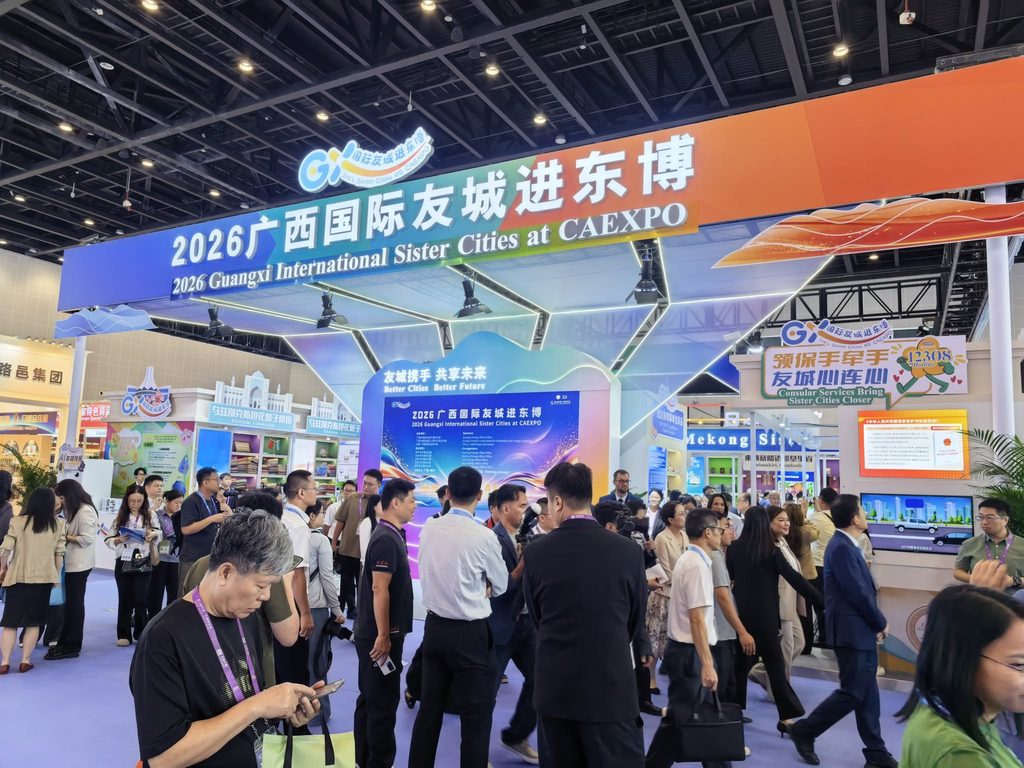
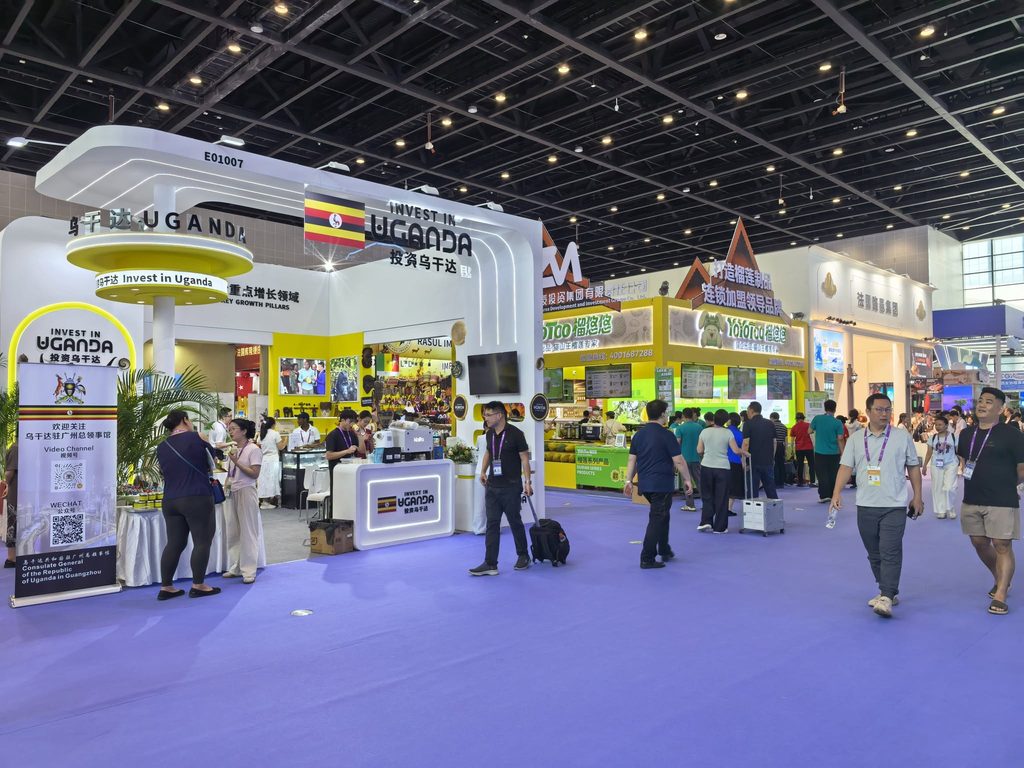
Nearly a quarter-century after China and ASEAN first launched their annual the 23rd China-ASEAN Expo as a platform for goods trade, this year’s 23rd edition in Nanning, Guangxi Zhuang Autonomous Region, signals a distinctly different kind of connectivity taking shape. Running from September 17 to 21 and drawing more than 3,400 companies from over 70 countries and regions, the expo’s headline moments this year center less on shipping containers and more on servers, algorithms, and digital supply chains — a shift that organizers and officials alike are framing as an extension of the Silk Road Spirit into the digital and AI era.

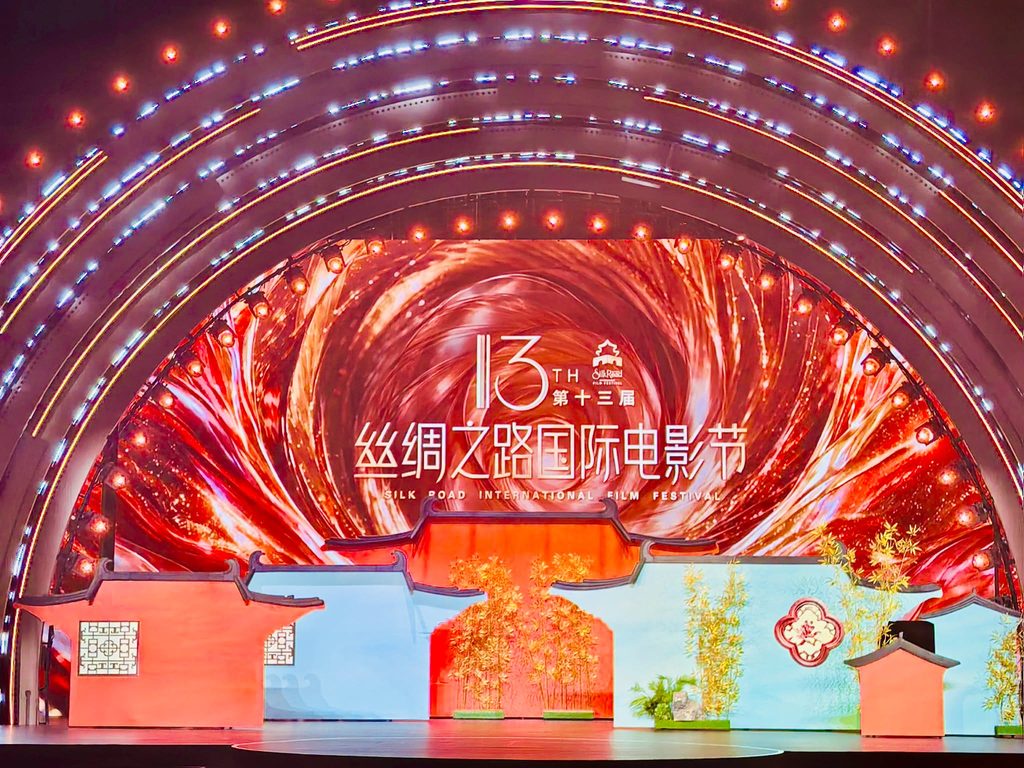
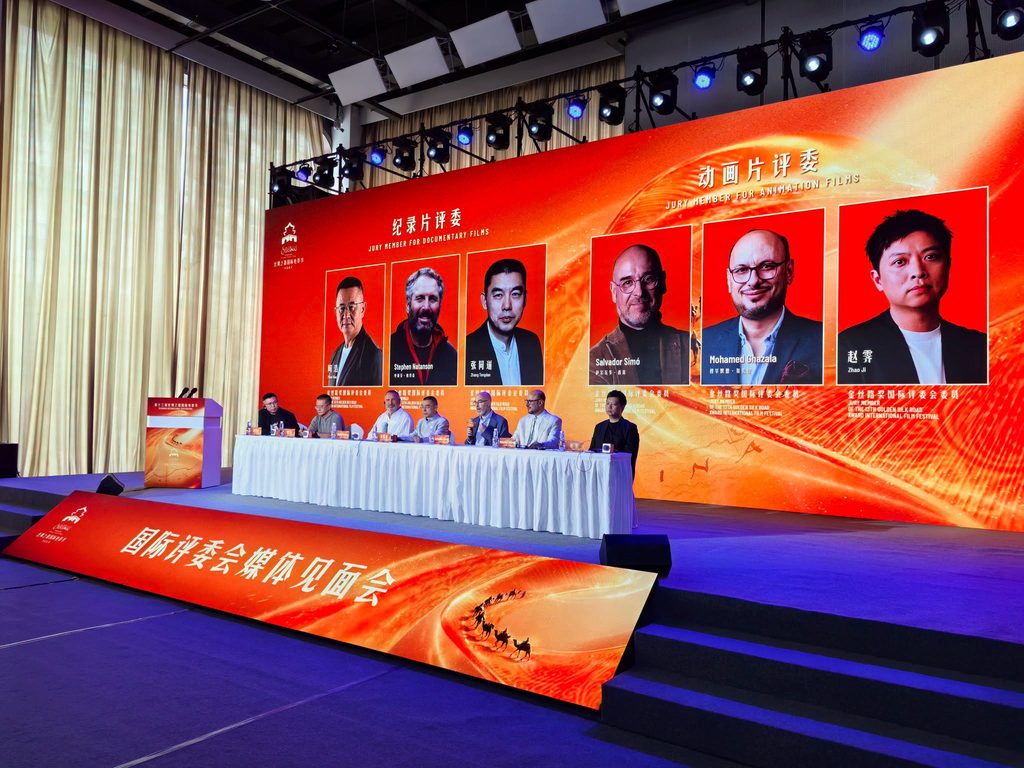
The 13th Silk Road International Film Festival opened in Xi’an City, Shaanxi Province, running from September 19 to 23, 2026, bringing together filmmakers, industry professionals, and audiences from across the Silk Road region and beyond. Now well into its second decade, the festival has become one of China’s most prominent platforms for positioning cinema as a vehicle for cross-border cultural exchange under the framework of the Belt and Road Initiative.
A Festival Rooted in the Belt and Road Framework
Officially established in 2014, the Silk Road International Film Festival is hosted alternately by Shaanxi and Fujian provinces — two regions chosen for their historical resonance with the ancient Silk Road’s overland and maritime routes respectively. This year’s edition was organized by the People’s Government of Shaanxi Province, the People’s Government of Fujian Province, and China Media Group, with the Ministry of Culture and Tourism formally approving and filing the hosting of the event in August 2026.
The festival’s structure reflects its founding purpose: rather than functioning purely as a domestic showcase, it is explicitly designed as an international platform connecting film industries across the dozens of countries linked, historically and symbolically, by Silk Road trade routes.
From Global Call for Entries to Cairo Screen Dialogue
The road to this year’s festival began months earlier. In May 2026, the Competition Section of the 13th edition officially opened its call for entries to filmmakers worldwide, with submissions closing at midnight on July 10, 2026.
In between, organizers took the festival’s outreach on the road quite literally. In early July 2026, the Silk Road International Film Festival’s Executive Committee, together with the Western Film Group and other partner organizations, held the opening ceremony of the “Chang’an–Cairo Screen Dialogue – 2026 China-Egypt Western Film Week” in Cairo, Egypt. The event was designed to deepen film-cultural exchange between China and Egypt, build anticipation for the Xi’an festival, and directly invite participation from the Egyptian film industry. The Cairo programme was structured around three core components: film screenings, institutional matchmaking between industry stakeholders, and broader cultural exchange activities — a format that underscores how the festival increasingly functions as a year-round diplomatic and industry engagement effort rather than a single week-long event.
Registration Standards Aimed at Global Competitiveness
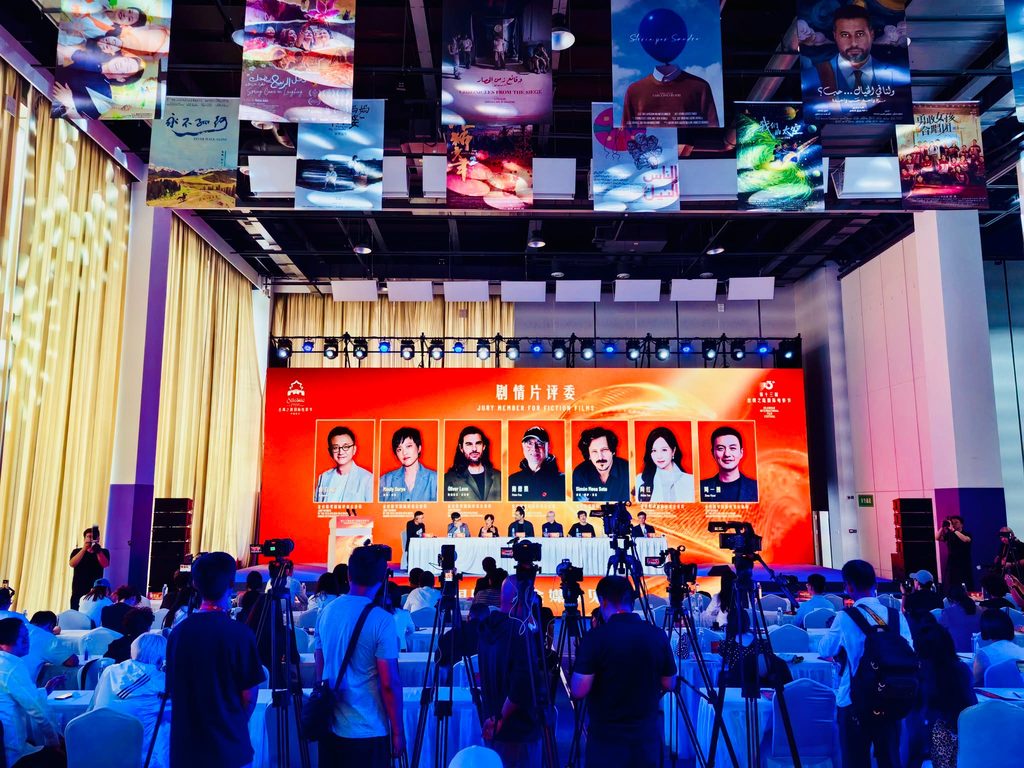
The festival’s registration specifications reflect an effort to maintain international competition standards. Feature films and animated films submitted for competition were required to run no less than 70 minutes, while documentaries needed a minimum runtime of 60 minutes. All eligible films had to have been completed after January 1, 2025, ensuring the competition showcased recent work. Films with dialogue in languages other than Mandarin Chinese were required to carry English or Chinese subtitles, while any Chinese films submitted for evaluation needed to hold a valid Public Screening License. The required technical screening format was DCP (Digital Cinema Package), the industry standard for theatrical exhibition. Under equal conditions, organizers indicated that priority would be given to films receiving their World Premiere or International Premiere at the festival — a standard practice among major film festivals seeking to establish prestige and draw premiere-seeking filmmakers.
Backgrounder: The Silk Road Spirit and the Case for Cultural Connectivity
The ancient Silk Road, which for roughly two millennia linked China with Central Asia, the Middle East, Africa, and Europe through overland and maritime trade routes, has long been invoked in Chinese cultural diplomacy as a symbol of exchange predating modern geopolitics — a historical precedent for connection built on commerce, ideas, and mutual curiosity rather than confrontation. Since the launch of the Belt and Road Initiative in 2013, Chinese officials have frequently framed contemporary infrastructure and economic cooperation as an extension of what is often termed the “Silk Road Spirit”: peace and cooperation, openness and inclusiveness, mutual learning, and mutual benefit.
Cultural and cinematic connectivity forms a specific strand of this broader initiative, running parallel to the infrastructure and trade corridors more commonly associated with Belt and Road projects. Film festivals, in particular, offer a lower-cost, high-visibility mechanism for cultural diplomacy: they generate media coverage, facilitate direct industry relationships between producers and distributors across borders, and create opportunities for audiences in participating countries to encounter cinema — and by extension, cultural narratives — from nations they might otherwise have limited exposure to.
The Cairo Screen Dialogue exemplifies this approach in practice. Rather than simply issuing an open call for international submissions, organizers proactively built relationships with a specific national film industry months ahead of the main event, treating festival participation as something to be cultivated through direct institutional engagement rather than left to organic interest.
The Way Forward
As the Silk Road International Film Festival enters its second decade, its trajectory offers a useful lens on how China is refining its approach to cultural diplomacy: less reliant on symbolism alone, and increasingly structured around sustained institutional relationships, industry matchmaking, and international outreach efforts conducted well ahead of the festival itself. Whether this year’s edition succeeds in expanding genuine international participation — as opposed to primarily domestic and regional entries — will likely shape how much further organizers invest in initiatives like the Cairo dialogue for future editions, as the festival continues positioning cinema as connective tissue within the broader Belt and Road framework.
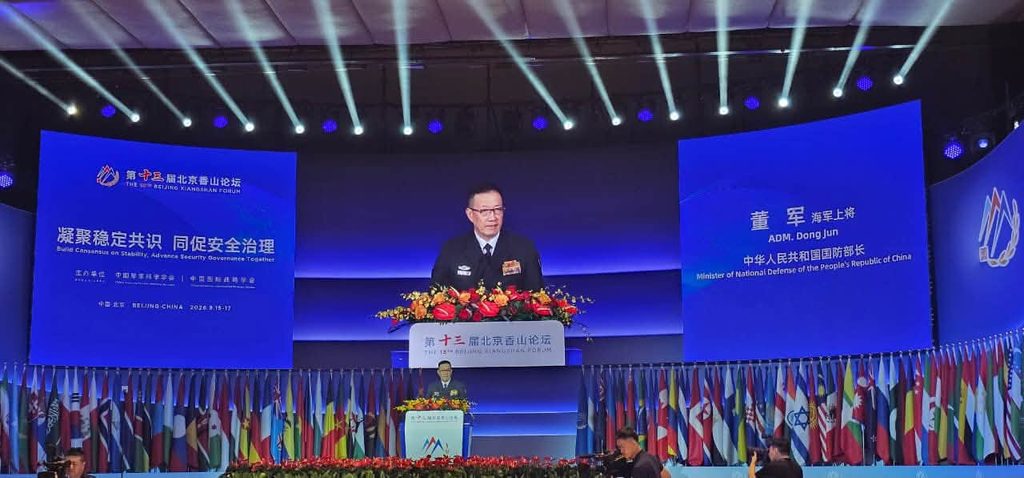
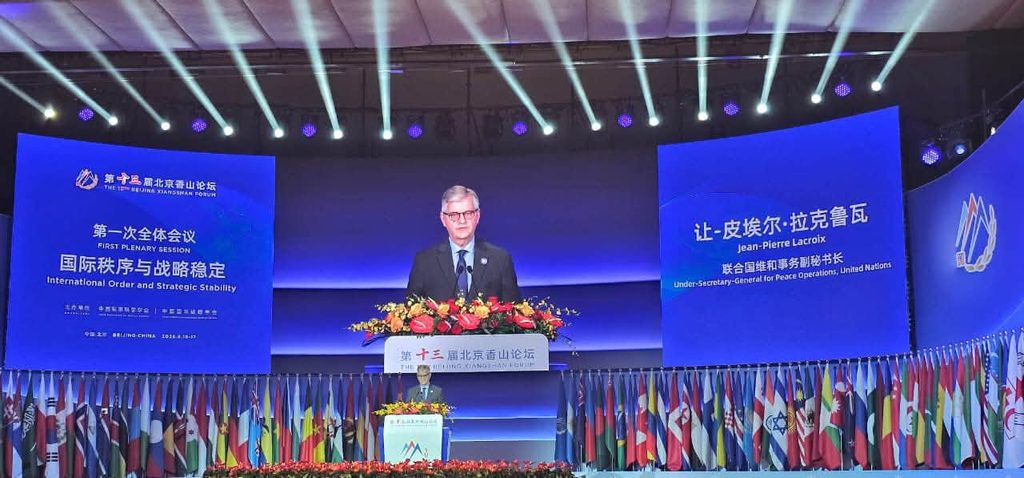
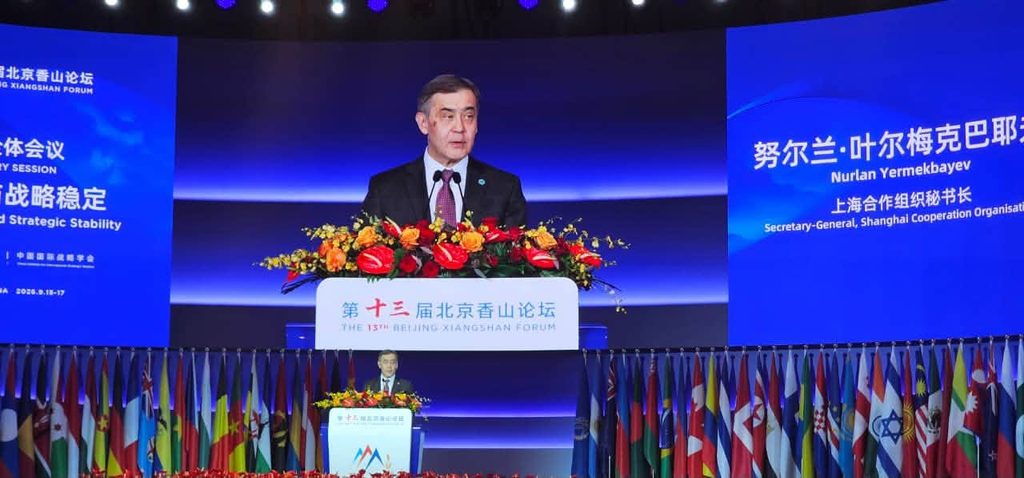
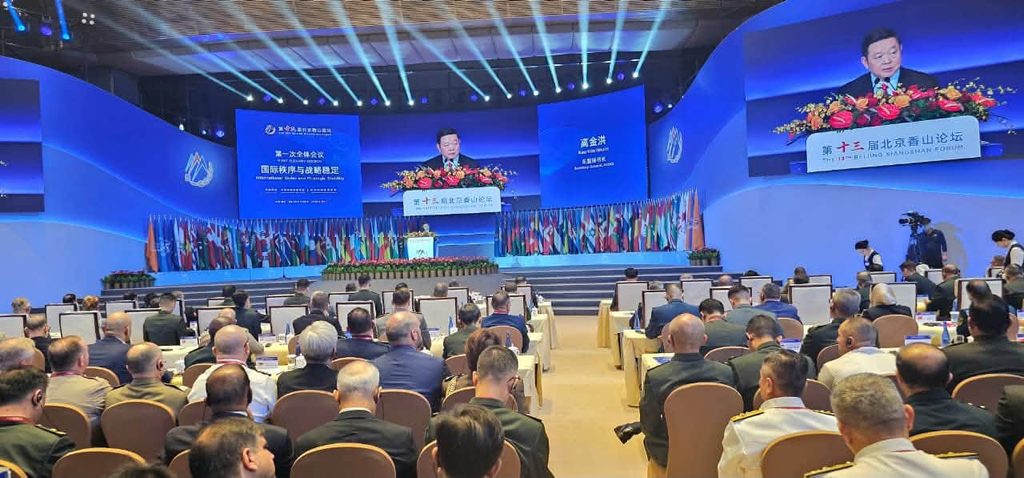
]]>China’s premier annual defence and security gathering opened in Beijing this week, drawing official delegations from nearly 100 countries, regions, and international organizations to the Beijing International Convention Center. The 13th Beijing Xiangshan Forum, running from September 15 to 17, carries added weight this year as it marks the two-decade anniversary of a platform that has grown from a modest academic exchange into one of Asia’s most closely watched security dialogues.
Scale and Participation
Organizers confirmed that this year’s forum has attracted more than 60 ministerial-level representatives and military chiefs, alongside scholars, former officials, and defence analysts. Notably, Western participation remained substantial, with delegates from New Zealand, Australia, and Canada among those attending — a point Chinese officials have highlighted as evidence of what they describe as the forum’s spirit of openness and inclusiveness.
The three-day programme is structured around four plenary sessions and eight parallel thematic discussions, held under the theme “Build Consensus on Stability, Advance Security Governance Together.” In a move aimed at maximizing resource sharing and aligning outcomes, the forum ran alongside the fourth China-Africa Peace and Security Forum, linking two of Beijing’s key security diplomacy tracks in a single window.
The Agenda: From Regional Flashpoints to AI Safety
Discussions this year have ranged widely, from persistent regional tensions across the Indo-Pacific to newer challenges around the governance of artificial intelligence in military and security contexts — a topic that has climbed rapidly up the agenda at defence forums worldwide.
Former Japanese Prime Minister Yukio Hatoyama, a regular participant in regional dialogue initiatives, described the forum as a valuable platform for frank exchanges at a moment of rising tensions. Several experts in attendance pressed for stronger international cooperation on AI governance, arguing that the pace of technological development is outstripping the frameworks meant to regulate its military application, and called for expanded dialogue as a confidence-building measure.
Among the more pointed interventions came from British scholar Jean Christophe Baron von Pfetten, who held up China’s Global Governance Initiative Concept Paper — released in 2025 — and told attendees: “This is the key of the future in this world. This is promoted by China, not for China, but for the world.” In an earlier interview, he argued that “governance is the most critical factor,” adding that without multilateralism, security problems proliferate and the United Nations operates under constraints. He went further still, describing China as “currently the ‘engine’ of world peace.”
It’s worth noting that such characterizations reflect the views of individual participants at a forum hosted and shaped by Beijing, and they sit within a broader international debate in which many governments assess China’s regional security role quite differently.
Backgrounder: Two Decades of the Xiangshan Forum
Launched in 2006, the Beijing Xiangshan Forum began as a relatively low-key track-two dialogue convened by Chinese think tanks. Over the years it has been progressively elevated, expanding to include serving defence ministers and military chiefs, and is now widely regarded as China’s answer to the Shangri-La Dialogue in Singapore — the long-established security summit that has traditionally been shaped by Western and allied perspectives.
The forum’s growth mirrors the broader arc of Chinese defence diplomacy: a shift from participation in security conversations designed elsewhere toward hosting and framing those conversations directly. For Beijing, the platform serves several purposes at once — projecting an image of openness, offering a venue to articulate its own security concepts, and providing a setting for bilateral military-to-military contacts on the sidelines, including with the United States, whose relationship with China remains the single most consequential variable in Asian security.
A Wider Institutional Push
The forum does not exist in isolation. Beijing has been steadily reinforcing a network of regional institutions through which it channels security and economic cooperation. In August, Shanghai Cooperation Organisation Secretary-General Nurlan Yermekbayev attended an event at the ASEAN-China Centre in Beijing marking anniversary milestones in China-ASEAN cooperation and the transition to new Secretary-General Zhang Lizhong, succeeding Shi Zhongjun. Yermekbayev used the occasion to acknowledge the Centre’s role in fostering interaction between ASEAN, the SCO Secretariat, and other regional partners — a reminder of how China’s various multilateral tracks increasingly interlock.
Way Forward: Governance, Competition, and the Question of Trust
The central proposition advanced at this year’s forum — that stability requires collective security governance rather than bloc-based arrangements — lands at a moment of genuine international uncertainty. Whether that proposition gains traction will depend less on the quality of the argument than on the durability of trust between major powers.
For China, the strategic logic is clear enough. Positioning itself as a convener of inclusive security dialogue offers a counterweight to alliance structures it views as containment-oriented, while the Global Governance Initiative provides a conceptual framework for its broader diplomatic ambitions. The presence of Western delegations suggests that even amid strategic competition, few governments are willing to forgo the channels of communication such forums provide.
The harder test lies ahead. Dialogue platforms are valuable precisely because they keep lines open during periods of friction — but they are not substitutes for the concrete mechanisms, crisis hotlines, and verifiable agreements that prevent miscalculation from escalating. As AI governance, maritime disputes, and US-China military competition all intensify simultaneously, the Xiangshan Forum’s second decade will likely be judged not by how many delegations it attracts, but by whether the consensus it seeks to build translates into arrangements that hold when tested.
]]>BRICS Summit in India: Xi Jinping Set to Attend as Bloc Doubles Down on Global South Vision
New Delhi: India has stepped into the spotlight as host of the latest BRICS Summit, a gathering that has drawn attention worldwide not least because of the confirmed presence of Chinese President Xi Jinping — a visit being closely watched given the complex trajectory of India-China relations in recent years. As New Delhi assumes its chairship of the bloc, the summit arrives at a pivotal moment for an organization that has grown from its original four founding members into a sprawling coalition representing a significant share of the world’s population and economic output.

A Summit Under India’s Chairship
Hosting BRICS gives India a rare diplomatic showcase: a chance to position itself as a bridge between the developed and developing world, while advancing its own ambitions as a leading voice for the Global South. Indian officials have framed the summit’s agenda around inclusive growth, reformed multilateralism, and deeper economic integration among member states — themes that resonate strongly with the government’s broader foreign policy narrative of representing the interests of developing nations on the world stage.
For India, the optics of the summit matter as much as the substance. Welcoming Xi Jinping to Indian soil, alongside other heads of state, offers an opportunity to demonstrate that bilateral tensions — including unresolved border disputes and years of strained trade relations — can coexist with functional multilateral engagement. Analysts note that such high-level visits often serve as pressure valves, allowing two rival powers to manage friction through structured, multilateral settings rather than direct bilateral confrontation alone.

Who Else Is Attending
Beyond China and host nation India, the summit is expected to draw leaders and senior representatives from the other founding BRICS members — Brazil, Russia, and South Africa — along with delegations from the bloc’s expanded membership, which in recent years has grown to include countries such as Egypt, Ethiopia, Iran, and the United Arab Emirates, reflecting BRICS’ deliberate push to widen its footprint across Africa, the Middle East, and Latin America. Several other nations that have expressed interest in joining or partnering with the bloc are also anticipated to send observer delegations, underscoring the growing appeal of BRICS as an alternative platform to Western-led institutions.
Core Goals of the Summit
Officials have signaled that this year’s agenda centers on a handful of priorities:
- Reforming global governance institutions, particularly calls for a greater voice for developing nations within bodies like the United Nations Security Council, the IMF, and the World Bank.
- Expanding local-currency trade among member states to reduce dependency on the US dollar in cross-border transactions.
- Strengthening the New Development Bank (NDB), the bloc’s flagship financial institution, to fund infrastructure and development projects across emerging economies.
- Technology and digital cooperation, including discussions on artificial intelligence governance, digital public infrastructure, and cybersecurity frameworks tailored to developing-country needs.
- Climate finance and energy transition, with member states pushing for more equitable funding mechanisms that don’t place a disproportionate burden on lower-income nations.
The Vision for the Global South
At the heart of this summit is a broader narrative that BRICS leaders have increasingly leaned into: positioning the bloc as the institutional voice of the Global South. This framing goes beyond economics, touching on questions of sovereignty, historical grievances tied to colonialism, and a desire among member states to chart development paths free from conditions historically attached to Western aid and lending.
India, in particular, has used its chairship to amplify this vision, drawing on its own experience straddling both the developing and increasingly influential economic tiers. The message from New Delhi has been consistent: the Global South is no longer content to be a passive recipient of global rule-making crafted elsewhere, but wants a seat — and a vote — at the table.

Impact on South-South Cooperation
Perhaps the most consequential outcome of the summit, beyond any single agreement, is what it signals for South-South cooperation more broadly. BRICS has increasingly functioned as a laboratory for deeper ties between developing nations — trade corridors that bypass traditional Western intermediaries, technology-sharing partnerships, and joint infrastructure financing through vehicles like the New Development Bank.
If the summit produces concrete commitments on local-currency settlement or expanded NDB lending, it could accelerate a broader trend already underway: developing economies trading and investing more with one another, and less through traditional dollar-denominated, Western-centered channels. That shift carries real implications for global trade patterns, currency markets, and the balance of economic power over the coming decade.
At the same time, skeptics caution that BRICS remains a coalition of countries with sharply divergent interests — India and China chief among them — and that summit rhetoric on unity often outpaces the bloc’s ability to act cohesively on contentious issues. Whether this summit marks a genuine turning point for South-South cooperation, or simply another chapter in BRICS’ long-running effort to define its own identity, will likely become clearer only in the months following the leaders’ departure from New Delhi.
]]>OIC Delegation’s visit to Aims to Strengthen Dialogue and Cooperation in Cultural, Technology, Health and Development sectors
A high-level delegation representing 20 Organisation of Islamic Cooperation (OIC) Member States and the OIC General Secretariat is undertaking an official visit to the People’s Republic of China from September 3 to 8, 2026, at the invitation of China’s Ministry of Foreign Affairs. The visit forms part of what both sides describe as a constructive and ongoing dialogue between the OIC and China.
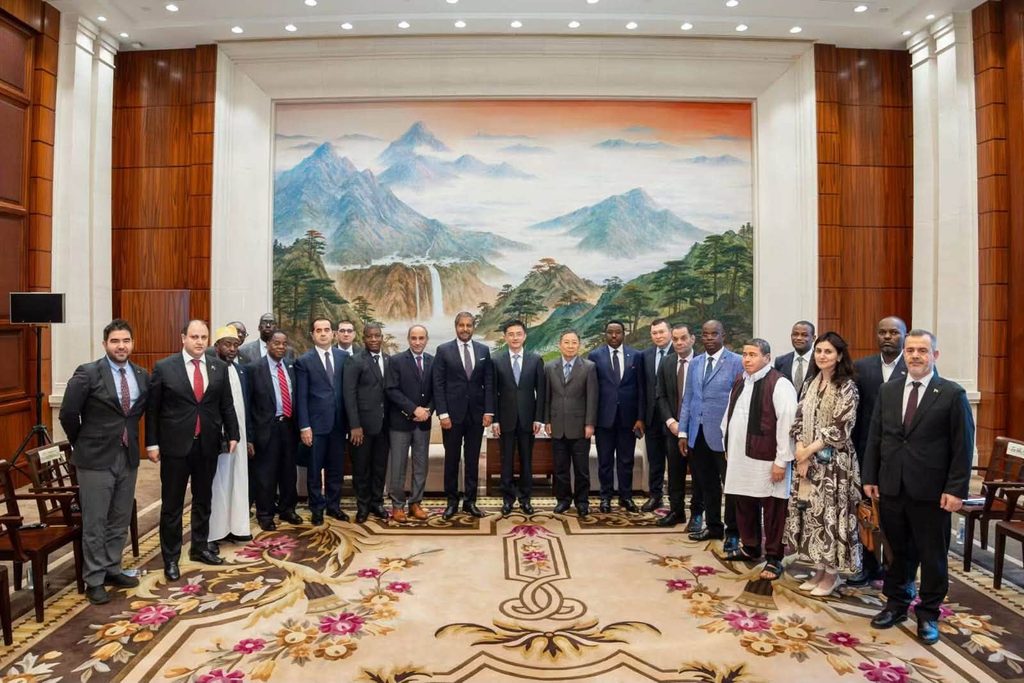
China Hosts A high-level OIC delegation representing 20 Member States to strengthen dialogue on political, economic, and cultural cooperation.
A Delegation Spanning Three Geographical Groups
The visiting delegation brings together ambassadors, delegates and representatives from across the OIC’s diverse membership, reflecting the organization’s three geographical groups. Among the senior figures leading the delegation is His Excellency Ambassador Dya-Eddine Said Bamakhrama, Ambassador of the Republic of Djibouti and Dean of the Diplomatic Corps in the Kingdom of Saudi Arabia, whose presence lends additional diplomatic weight to the mission. He is joined by a number of other delegates and representatives drawn from OIC Member States across the organization’s regional groupings.
The OIC General Secretariat itself is represented by His Excellency Mr. Yousef bin Mohammed Al-Dobeay, Assistant Secretary-General for Political Affairs, whose involvement signals the institutional importance the OIC has attached to the visit. His participation places the trip within the broader context of the OIC’s political engagement strategy, rather than treating it as a purely ceremonial or symbolic exercise.
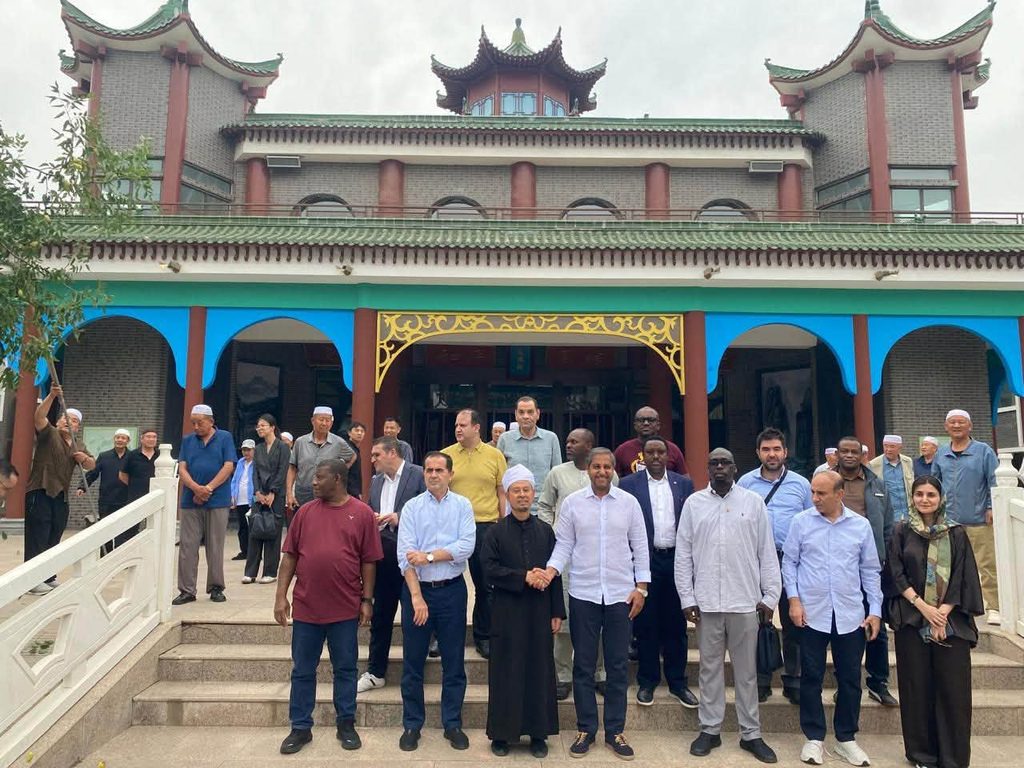
China Hosts A high-level OIC delegation representing 20 Member States to strengthen dialogue on political, economic, and cultural cooperation.
From Shanghai to Ningxia: A Multi-City Itinerary
The delegation’s visit began on Thursday, September 3, 2026, in Shanghai, one of China’s principal commercial and diplomatic hubs. There, delegates met with a number of high-ranking Chinese officials and visited several sites of particular significance to the visit’s themes, including the historic Shanghai Mosque — a landmark reflecting the long history of Muslim communities in China — as well as leading Chinese companies operating in the technology, health, and development sectors.
The itinerary is set to continue in the days following the Shanghai leg, taking the delegation to several cities in China’s Ningxia Hui Autonomous Region, an area home to a substantial Muslim population. According to details of the visit, this leg of the trip is intended to allow delegates to assess conditions faced by the Muslim community in Ningxia directly, alongside holding official meetings with representatives of China’s Ministry of Foreign Affairs and regional authorities. Officials have indicated that this stage of the visit is meant to help strengthen constructive dialogue and communication between the OIC and China across a range of fields.
Technology, Health and Development on the Agenda
The choice to include visits to Chinese companies in the technology, health, and development sectors during the Shanghai leg points to an agenda that extends beyond traditional diplomatic and religious-affairs discussions. By exposing delegates to Chinese firms operating in these fields, the visit appears designed to explore potential areas of practical cooperation between OIC Member States and China — areas that could feed into future economic, scientific, or development partnerships between Beijing and the Muslim-majority world.
This dimension of the visit reflects a broader pattern in China’s engagement with international partners in recent years, in which cultural and diplomatic exchanges are frequently paired with exposure to China’s commercial and technological sectors, positioning Chinese companies as potential partners for cooperation alongside government-to-government dialogue, and cultural connectivity for better understanding.
Assessing Conditions of Muslim Communities in China
A notable feature of the visit’s itinerary is the planned assessment of conditions faced by the Muslim population in Ningxia. This component of the trip suggests that the visit is intended, at least in part, to provide OIC representatives with a firsthand, on-the-ground perspective on the situation of Muslim communities in China — a subject that has drawn significant international attention and scrutiny in recent years, particularly concerning Muslim minority populations in other regions of the country. The inclusion of Ningxia, rather than other regions, focuses the delegation’s direct observations on a Hui Muslim community with a long-established presence in Chinese society.
Backgrounder: China and the Islamic World in a New Era
The OIC delegation’s visit comes against the backdrop of an increasingly active relationship between China and the broader Islamic world. Over the past decade, China has significantly deepened its engagement with Muslim-majority countries, driven in large part by the Belt and Road Initiative, which has drawn extensive Chinese investment into infrastructure, energy, and trade projects across the Middle East, Central Asia, South Asia, and parts of Africa — regions home to many OIC Member States.
Beyond economic ties, China has periodically sought to position itself as a partner for dialogue with the Islamic world on political and cultural matters, including through periodic high-level exchanges with the OIC itself, an organization that represents 57 member states and serves as the collective voice of the Muslim world on the international stage. Such engagements have typically sought to balance discussion of economic cooperation with attention to cultural and religious dimensions of the relationship, including the standing of China’s own Muslim population, which includes both the Hui community — concentrated in regions such as Ningxia — and other Muslim ethnic groups elsewhere in the country.
This visit, bringing together representatives from 20 OIC Member States alongside senior OIC leadership, represents one of the more substantial recent efforts to formalize and expand this dialogue, combining diplomatic meetings, exposure to China’s commercial and technological sectors, and direct engagement with Muslim communities within China itself.
Conclusion
The week-long visit by the OIC high-level delegation — spanning meetings in Shanghai and an extended itinerary in Ningxia — reflects a deliberate effort by both the OIC and China to broaden their dialogue beyond purely diplomatic exchanges into economic, technological, and community-level engagement. With senior representation from both the OIC General Secretariat and a wide cross-section of Member States, the visit signals continued momentum in China’s outreach to the Islamic world, even as questions about the treatment of Muslim communities in China remain part of the broader international conversation. The outcomes of the delegation’s meetings with Chinese officials in the coming days are likely to shape the next phase of OIC-China dialogue on political, economic, and cultural cooperation.
This article is based on the official details of the delegation’s visit as provided. The backgrounder section draws on general, publicly known context regarding China’s relations with OIC Member States and the Belt and Road Initiative; I was not able to independently verify additional specifics through web search, as browsing is not currently enabled in this conversation.
]]>Ambassador Highlights Historical Ties and Investment Opportunities
PTDC Highlights Growing Cooperation and Regional Connectivity
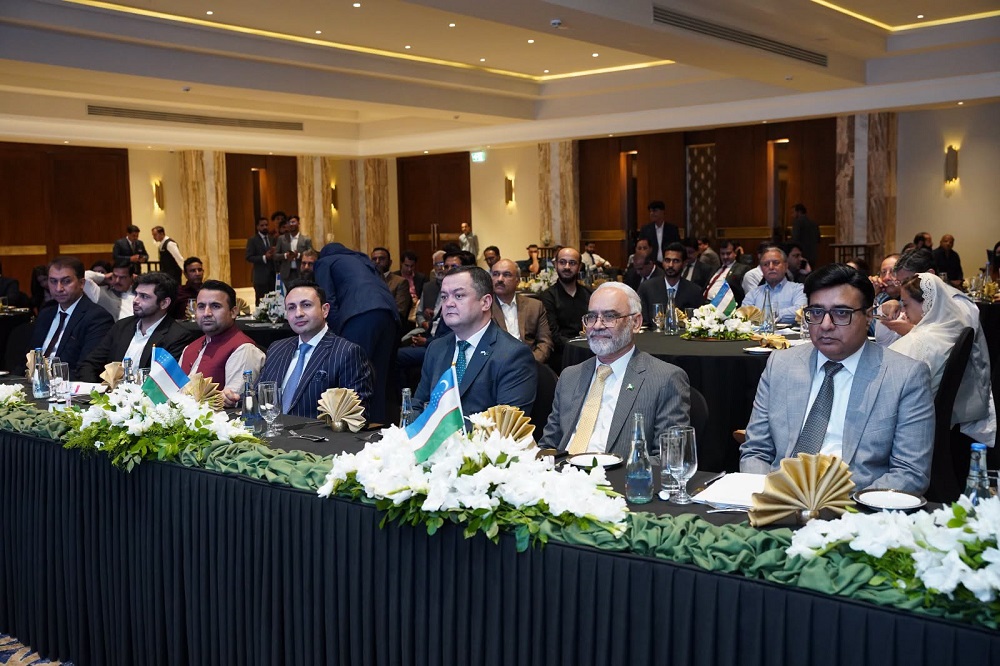
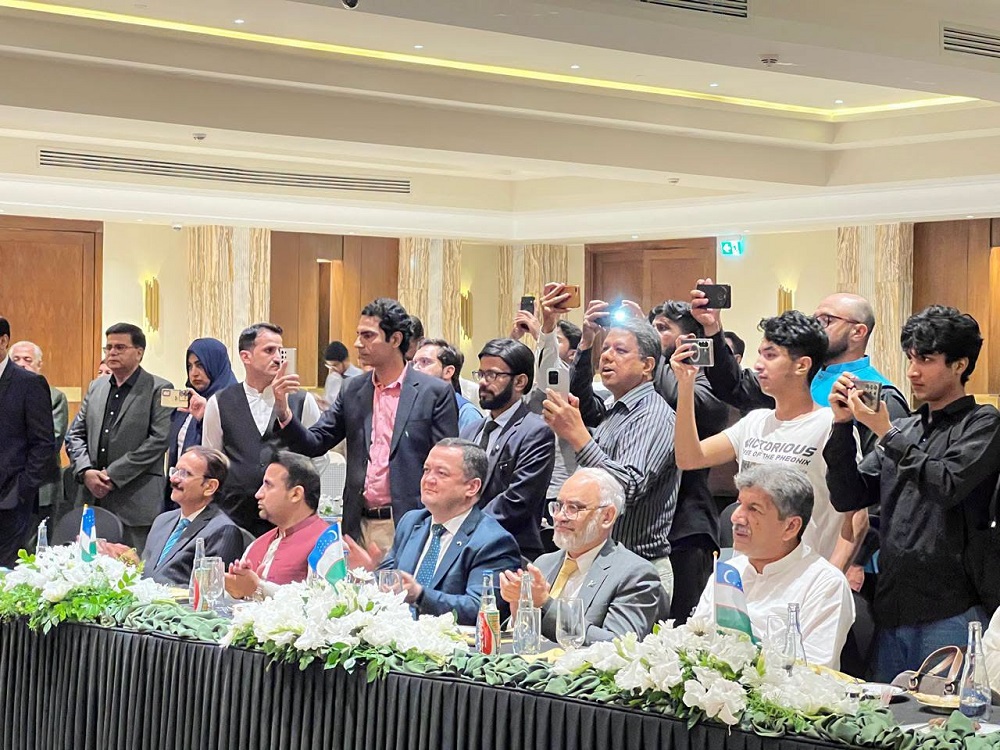
The Uzbekistan Tourism Road Show & Tourism Excellence Awards 2026, organized by the Embassy of Uzbekistan in Pakistan as part of Uzbekistan Tourism Days in Pakistan, brought together senior government officials, travel industry leaders, and key stakeholders to celebrate the steadily expanding partnership between the two countries.
The event served as a platform to recognize outstanding contributions to bilateral travel and leisure romotion while showcasing country’s tourism potential to Pakistani travellers, tour operators, and investors.
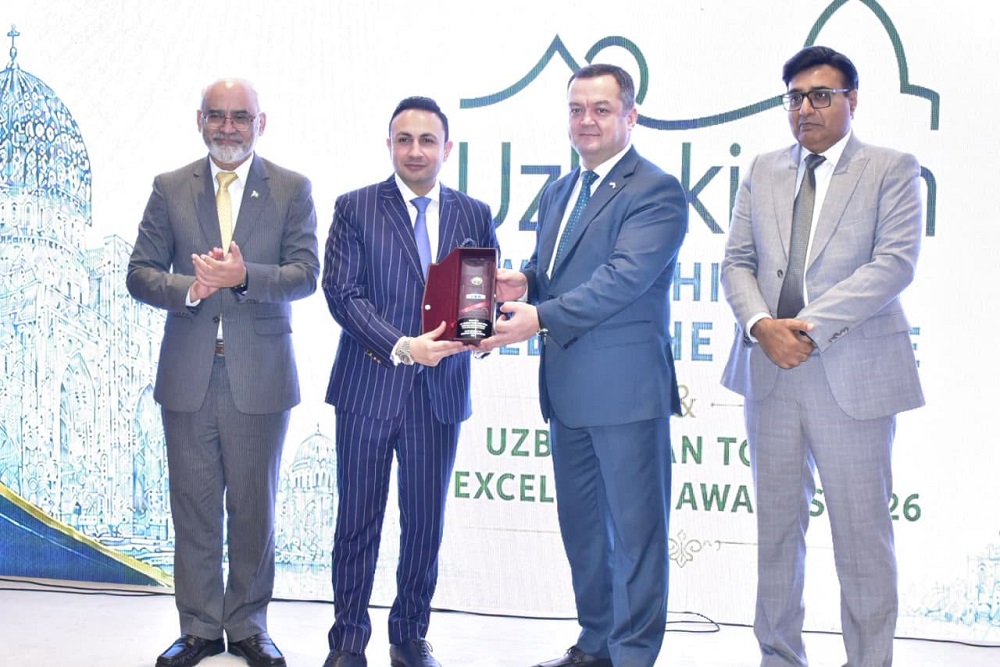
Tourism Excellence Awards Recognize Key Contributors
During the ceremony, His Excellency the Ambassador of Uzbekistan to Pakistan presented the Travel Excellence Awards to a number of individuals and institutions recognized for their role in strengthening travel and mobility ties between the two nations. Award recipients included:
- Sardar Yasir Ilyas Khan, National Coordinator to the Prime Minister on Tourism
- Mr. Aftab-ur-Rehman Rana, Managing Director, PTDC
- Other prominent mobility stakeholders who have contributed to promoting bilateral tourism between Pakistan and Uzbekistan
The awards underscored the growing institutional commitment on both sides to elevate traveling as a pillar of the broader bilateral relationship.
Ambassador Highlights Historical Ties and Investment Opportunities
Addressing the gathering, the Ambassador of Uzbekistan spoke about the deep historical and cultural connections shared by Pakistan and Uzbekistan — ties rooted in centuries of trade, culture, and people-to-people exchange along the historic Silk Road. He outlined emerging opportunities for travel investment in Uzbekistan and reaffirmed a shared vision for expanding cooperation in the years ahead, positioning mobility as a natural extension of the two countries’ longstanding friendship.
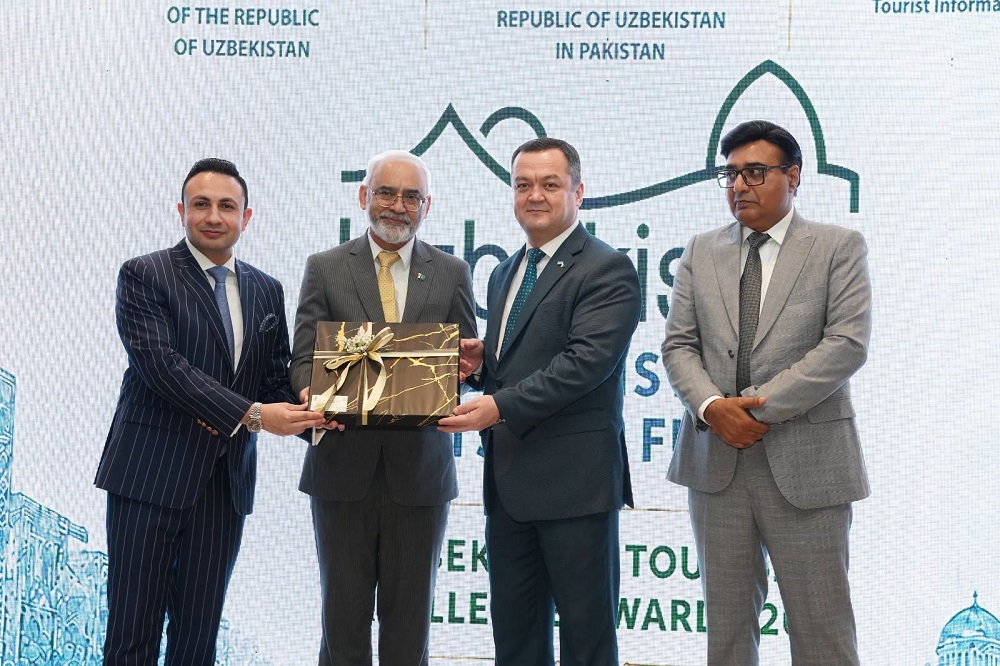
PTDC Highlights Growing Cooperation and Regional Connectivity
Speaking at the event, Mr. Aftab-ur-Rehman Rana, Managing Director PTDC, appreciated the Embassy’s efforts in organizing the Road Show and highlighted the steadily growing traveling cooperation partnership between Pakistan and Uzbekistan. He shared details of several ongoing initiatives designed to enhance travel exchanges between the two countries, including:
- Cooperation in travel education and training
- Building stronger linkages between tour operators on both sides
- Working toward improved air connectivity to facilitate easier travel
- Exploring opportunities for greater regional cooperation through upcoming ECO (Economic Cooperation Organization) and SCO (Shanghai Cooperation Organization) tourism engagements planned in Lahore
Mr. Rana’s remarks reflected PTDC’s broader strategy of using multilateral platforms to position Pakistan as a connected and accessible destination within the Central and South Asian travel corridor.
Government Reaffirms Commitment to Mobility Facilitation
Speaking as Chief Guest, Sardar Yasir Ilyas Khan, National Coordinator to the Prime Minister on Tourism, highlighted the immense travel and investment potential present in both Pakistan and Uzbekistan. He reaffirmed the Government of Pakistan’s commitment to facilitating travel between the two countries, encouraging greater travel exchanges, and strengthening people-to-people connections as a foundation for long-term bilateral cooperation.
Backgrounder: A Growing Pakistan–Uzbekistan Mobility Partnership
Pakistan and Uzbekistan have, in recent years, steadily expanded cooperation across trade, connectivity, culture, and traveling, building on historical and civilizational links dating back to the Silk Road era. The Uzbekistan Tourism Days in Pakistan initiative reflects a deliberate diplomatic and economic push by both governments to translate these historical ties into tangible tourism and economic outcomes.
Both countries have worked toward easing visa processes, expanding air links, and encouraging direct engagement between tour operators, hoteliers, and tourism boards. Uzbekistan, home to iconic Silk Road cities such as Samarkand, Bukhara, and Khiva, has been actively promoting itself as a premier heritage and cultural traveling destination for South Asian travellers, while Pakistan — with its diverse landscapes, from the northern mountains to rich cultural heritage sites — offers reciprocal appeal to Central Asian visitors.
The Tourism Excellence Awards 2026 mark a continuation of this momentum, formally recognizing individuals and institutions driving bilateral traveling forward, and signaling that traveling has become a strategic pillar — alongside trade and connectivity — in the broader Pakistan–Uzbekistan relationship.
Conclusion: Building Regional Bridges Through Mobility
The travel show 2026 highlighted not only the achievements of individuals and institutions driving bilateral tourism, but also the strategic importance of sustained promotion of Pakistan–Uzbekistan cooperation going forward. Strengthening this partnership will require continued focus on connectivity — particularly improved air links, streamlined travel facilitation, and closer coordination between tour operators and tourism boards on both sides.
Looking ahead, the planned ECO and SCO tourism engagements in Lahore present a significant opportunity to elevate this bilateral momentum into a broader regional tourism agenda, positioning both countries as key nodes in an increasingly connected Central and South Asian travel corridor. As both governments continue to prioritize traveling facilitation and people-to-people exchange, Pakistan looks forward to welcoming more travellers from Uzbekistan and across Central Asia, while building stronger, lasting traveling bridges across the wider region.
]]>
Push for a Chinese Universities Education Expo in Pakistan
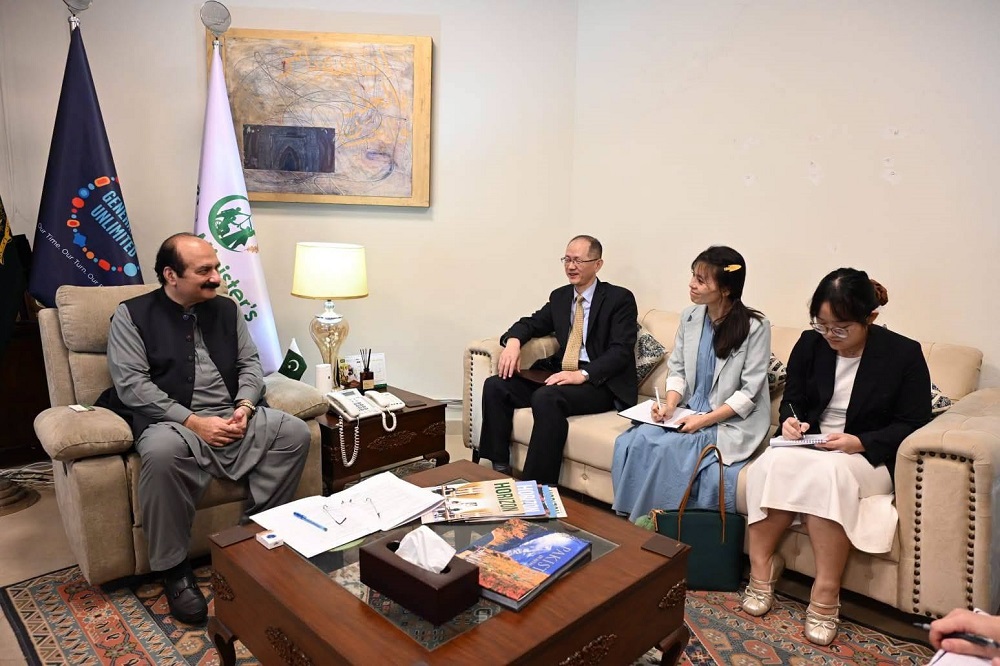
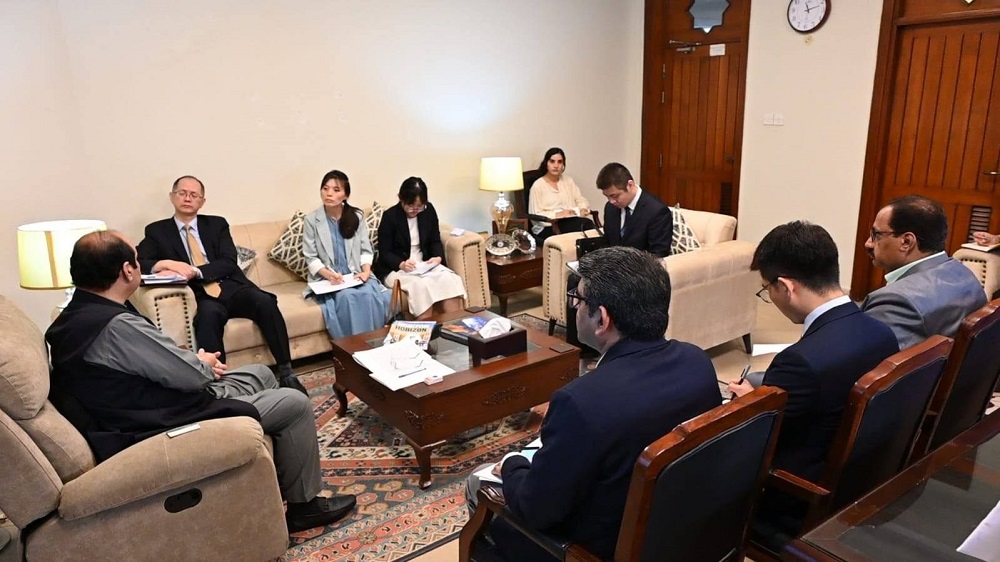
Islamabad: A high-level meeting was held at the Prime Minister’s Office between Chairman of the Prime Minister’s Youth Programme (PMYP), Rana Mashhood Ahmed Khan, and Shi Yuanqiang, Charge d’Affaires of the Embassy of the People’s Republic of China, to discuss avenues for strengthening Pakistan–China cooperation in youth development, education, skills, employment, technology, innovation, research and youth exchanges.
Chairman Rana Mashhood Ahmed Khan extended a warm welcome to Shi Yuanqiang and the accompanying Chinese delegation. The meeting was also attended by PMYP Joint Secretary Dr. Muhammad Ali Malik, along with other senior officers from the Programme.
Push for a Chinese Universities Education Expo in Pakistan
Opening the discussion, Chairman Rana Mashhood Ahmed Khan highlighted the strong and growing interest among Pakistani youth in pursuing higher education at Chinese universities. He proposed the organization of a dedicated Chinese Universities Education Expo in Pakistan, where leading Chinese institutions could directly engage with Pakistani students, showcase academic programmes and scholarships, and provide first-hand information on admission pathways.
He described the initiative as an education-focused platform functioning much like a job fair — bringing universities and prospective students together under one roof to simplify access to information and opportunity.
Reinforcing the “Iron Brother” Relationship Through Youth Engagement
The Chairman reaffirmed Pakistan’s commitment to deepening the longstanding Pakistan–China “iron brother” relationship, placing particular emphasis on people-to-people and youth-to-youth engagement. He stressed the importance of expanding exchanges in culture, technology, research, education and skills development to create meaningful, forward-looking opportunities for young people in both countries.
Rana Mashhood Ahmed Khan also revealed that PMYP Secretariats have already been established in China, a development he described as reflective of the growing institutional engagement between the two countries in the youth sector.
He expressed appreciation to the Government and people of China for their continued support to Pakistan, acknowledging the role of China’s advanced technology and capabilities in strengthening bilateral cooperation. Highlighting progress in the space sector, he noted that Pakistan’s first astronaut is expected to join China’s space station by the end of this year — a milestone he called a significant marker of Pakistan–China cooperation in science, technology and space exploration.
China Praises Digital Youth Hub, Seeks Wider Collaboration
Speaking at the meeting, Shi Yuanqiang emphasized the unique and enduring nature of Pakistan–China relations, reiterating the characterization of the two nations as “iron brothers.” He underlined the importance of expanding youth exchanges in culture, technology and research to promote greater interaction, mutual understanding and long-term collaboration between the younger generations of both countries.
The Chinese envoy specifically praised the Digital Youth Hub (DYH), a flagship initiative of the Prime Minister’s Youth Programme, describing it as an innovative and centralized platform that connects young people with diverse opportunities in one place. He commended PMYP for developing a mechanism that effectively engages, connects and empowers youth across the country.
Shi Yuanqiang further expressed China’s interest in exploring greater involvement of Chinese universities, companies, development organizations and private-sector partners with the Digital Youth Hub — a step that could significantly expand the range of opportunities available to Pakistani youth.
PMYP’s 4Es Framework and National Youth Employment Policy
Chairman Rana Mashhood Ahmed Khan briefed the Chinese delegation on PMYP’s flagship initiatives operating under its 4Es Framework — Education, Employment, Engagement and Environment. These include the Prime Minister’s Youth Skills Development Programme, Prime Minister’s Youth Laptop Scheme, Prime Minister’s Youth Business & Agriculture Loan Scheme, Prime Minister’s National Innovation Award, Prime Minister’s National Volunteer Corps, the Digital Youth Hub, Talent Hunt & Youth Sports League, and the Green Youth Movement.
He underscored the importance of collaboration on Pakistan’s National Youth Employment Policy, particularly in expanding employment, skills development, entrepreneurship and international opportunities for Pakistani youth. To this end, he proposed a structured mechanism with the Chinese Embassy to identify relevant opportunities through Chinese institutions, universities, companies and development organizations.
Joint Secretary PMYP Dr. Muhammad Ali Malik added that the Programme would work closely with the Chinese government on the National Youth Employment Policy, exploring areas of cooperation that could directly contribute to employment generation, skills development and professional opportunities for young Pakistanis.
Way Forward: Focal Persons and a Formal Cooperation Framework
As a concrete way forward, both sides agreed to designate focal persons to maintain regular communication, facilitate coordination and identify actionable areas of collaboration. It was further proposed that the two sides work towards developing a formal framework of cooperation with the Embassy of China, covering the National Youth Employment Policy and broader youth employment opportunities.
The meeting concluded on a note of shared commitment to deepen Pakistan–China cooperation in the youth sector, with both sides expressing optimism about translating the two countries’ longstanding friendship into practical, meaningful opportunities for young people.
Conclusion
The discussions between the Pakistan Prime Minister’s Youth Programme and the Chinese Embassy mark another step forward in institutionalizing Pakistan–China cooperation beyond traditional economic and strategic domains. As both nations look to equip their youth for an increasingly technology-driven future, sustained collaboration in education, skills development, employment generation, research and innovation will be essential. Initiatives such as the proposed Chinese Universities Education Expo, the Digital Youth Hub and a structured youth employment framework represent tangible pathways for turning the “iron brother” relationship into lasting opportunities for the younger generations of both countries. Continued high-level engagement, backed by clear implementation mechanisms and dedicated focal persons, will be key to ensuring that this momentum translates into measurable outcomes — reinforcing Pakistan–China friendship as a partnership that actively invests in the future of its youth.
]]>PM Shehbaz Sharif unveils action plan themed “Turning Vision into Action, Connectivity, Innovation and Shared Prosperity” as Islamabad takes the helm at the Bishkek summit
Pakistan’s Contribution to Eurasia’s Peaceful Development
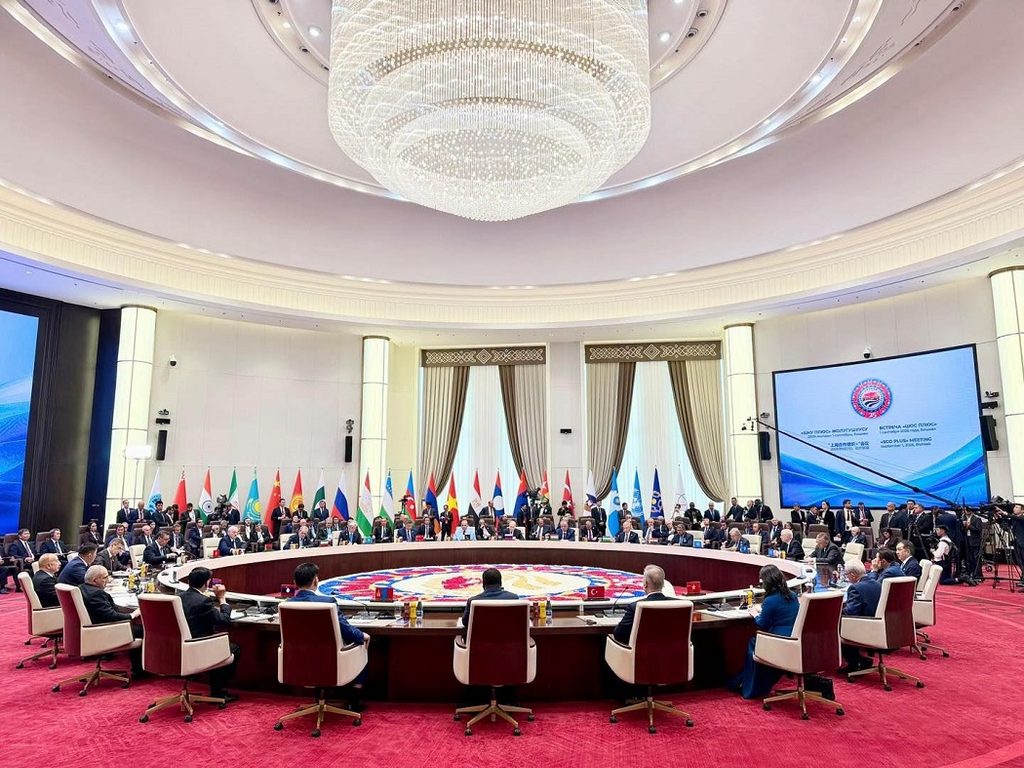
Bishkek/Kyrgyzstan : Pakistan has formally assumed the chairmanship of the SCO Plus, taking over the mantle at the Council of Heads of State Summit in Bishkek, Kyrgyzstan. Prime Minister Muhammad Shehbaz Sharif, addressing the summit, said Pakistan takes on the role “with a clear resolve to advance regional peace, prosperity and cooperation, uphold the UN Charter, support reform of the UN, protect shared water resources, combat terrorism, and prioritize IT and AI, energy development, poverty reduction, disaster management, health, culture and sports.”
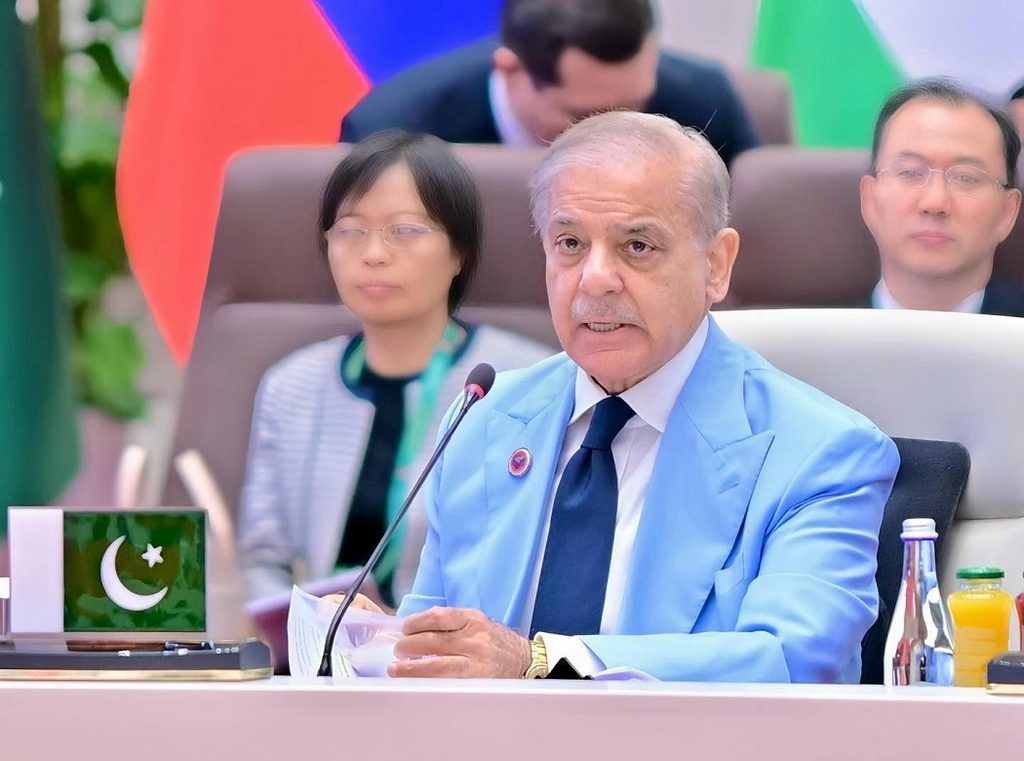
The handover positions Islamabad to steer the SCO’s agenda over the coming year, marking one of Pakistan’s most prominent turns on the multilateral stage since it joined the organization as a full member in 2017.
Pakistan’s Role as Host and Chair of the SCO
Outlining the priorities of Pakistan’s tenure, PM Shehbaz Sharif told the summit: “As Pakistan assumes the chairmanship of the SCO, we are proposing an action plan that shall prioritize key sectors including IT and AI, energy development, poverty reduction, disaster management, health, culture and sports. Pakistan’s SCO chairmanship shall be pursued under the theme ‘Turning Vision into Action, Connectivity, Innovation and Shared Prosperity.’ We undertake this responsibility with humility, hope and abiding faith that connectivity will bring our peoples closer, innovation will open new doors of opportunity and shared prosperity will reach every home.”
As chair, Pakistan takes on responsibility for coordinating the SCO’s ministerial meetings, working groups, and preparatory sessions over the coming year, while steering the thematic priorities laid out in Islamabad’s action plan. Chairing nations typically use the position to spotlight issues of particular national and regional interest, and Pakistan has signaled it will emphasize counterterrorism cooperation, regional connectivity, and expanded trade and economic integration across South and Central Asia.
The chairmanship places Pakistan at the center of high-level Eurasian diplomacy, working alongside heads of state from across the SCO’s ten-member bloc — including China, Russia, India, Kazakhstan, Kyrgyzstan, Tajikistan, Uzbekistan, Iran, and Belarus — a grouping that spans South Asia, Central Asia, the Middle East, and Eastern Europe.
Speaking separately at the SCO Plus Meeting 2026 in Bishkek, PM Shehbaz Sharif underscored connectivity as central to his government’s regional vision: “For years, I have strongly advocated regional connectivity as the key to our prosperity. Today, connectivity is no longer a choice. It is a strategic imperative. The recent crisis has also proven that diversified transport networks, secure energy corridors and resilient supply chains are indispensable to our collective security. The China-Pakistan Economic Corridor continues to serve as a gateway linking the regional economies to the Arabian Sea.” He added that “as the permanent chair of the Special Working Group of the SCO on poverty reduction, Pakistan will continue to strengthen social protection and promote inclusive and sustainable development across the SCO region.”
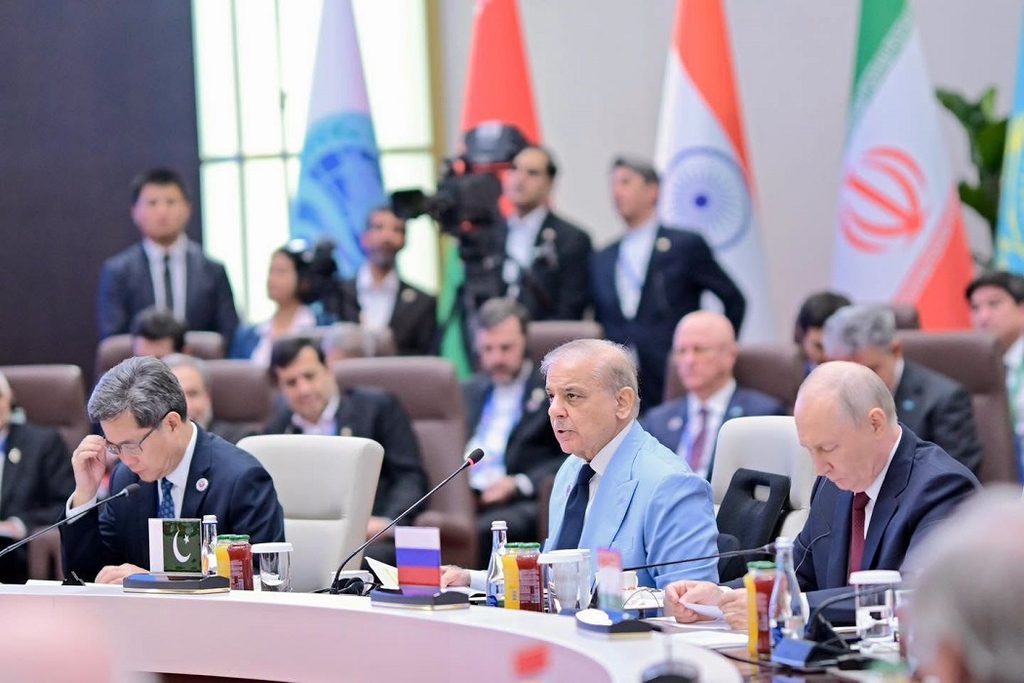
For Pakistan, the chairmanship carries both opportunity and complexity. It offers a platform to reinforce ties with key partners like China, while also managing the SCO’s characteristic dynamic of bringing together member states with unresolved bilateral tensions — most notably its own relationship with fellow SCO member India — under one cooperative framework. Analysts note that Pakistan’s tenure will be watched closely for how it balances national priorities with the consensus-driven, non-confrontational diplomatic style the SCO has cultivated among its members.
Pakistan’s assumption of the chair also comes with practical responsibilities: convening senior officials’ meetings, foreign ministers’ councils, and sectoral dialogues on security, trade, and cultural cooperation throughout the year, building toward the transfer of the chairmanship at the next summit.
Pakistan’s Contribution to Eurasia’s Peaceful Development
Beyond the ceremonial weight of the chairmanship, Pakistan has increasingly positioned itself as a contributor to Eurasia’s broader connectivity and stability agenda — a role it is expected to lean into during its tenure at the SCO’s helm. Central to this is the China-Pakistan Economic Corridor (CPEC), the flagship project of China’s Belt and Road Initiative (BRI), which links Pakistan’s deep-water port at Gwadar to western China through a network of highways, energy projects, and industrial zones. Islamabad has consistently framed CPEC not merely as a bilateral undertaking but as a node in a wider Eurasian connectivity architecture, one that ties South Asia into overland trade routes stretching toward Central Asia, the Middle East, and beyond.
Digital connectivity has emerged as another pillar of Pakistan’s regional contribution. Investments in fiber-optic infrastructure, cross-border data corridors, and e-commerce facilitation are increasingly framed by Islamabad as extensions of the same connectivity logic underpinning CPEC and the BRI — efforts to knit Eurasia together not just through physical trade routes but through digital trade and communication links as well. Pakistani officials have pointed to these initiatives as part of a broader push to position the country as a transit and digital hub bridging South Asia with Central Asian and Chinese markets.
Pakistan has also cast itself as a stakeholder in regional peace and stability, arguing that its own security cooperation — including counterterrorism coordination through SCO mechanisms — supports the broader stability needed for Eurasian connectivity projects to succeed. Officials in Islamabad frequently note that sustained economic corridors like CPEC depend on a secure operating environment, and that Pakistan’s engagement on counterterrorism and border security within the SCO framework is therefore inseparable from its economic connectivity ambitions. As chair, Pakistan is expected to use this framing to advocate for closer coordination between the SCO’s security and economic tracks, presenting connectivity and stability as mutually reinforcing goals for the wider region.
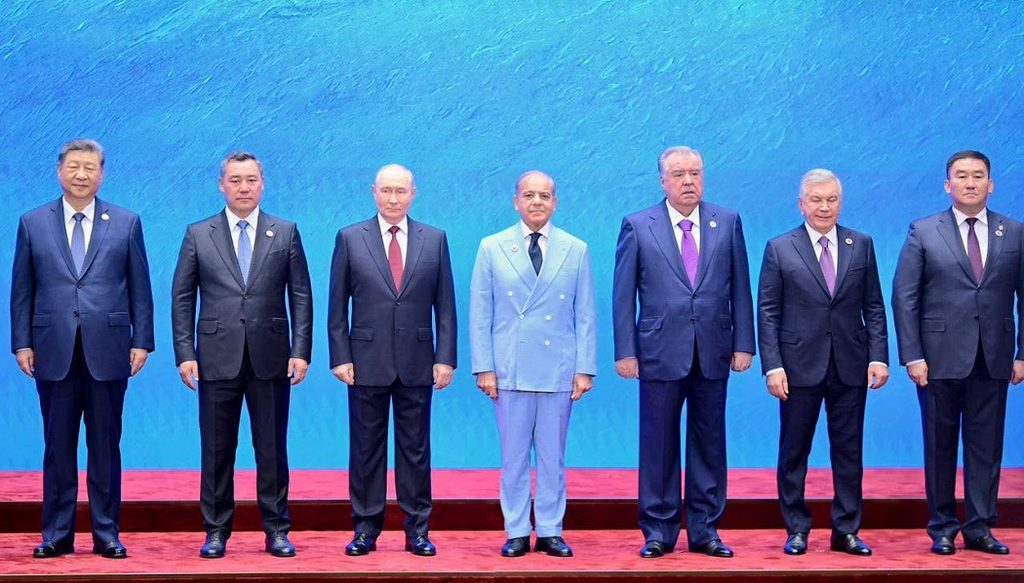
News Backgrounder: The Shanghai Cooperation Organization
The SCO was formally established in 2001, evolving out of the “Shanghai Five” mechanism created in the 1990s by China, Russia, Kazakhstan, Kyrgyzstan, and Tajikistan to resolve border disputes and ease military tensions among post-Soviet neighbors. Since then, it has grown from a narrow security arrangement into a ten-member bloc spanning South Asia, Central Asia, the Middle East, and Eastern Europe.
Membership now includes China, Russia, Kazakhstan, Kyrgyzstan, Tajikistan, Uzbekistan, India, Pakistan, Iran, and Belarus — with India and Pakistan admitted in 2017, Iran in 2023, and Belarus in 2024.
Mandate: The organization’s scope has broadened considerably beyond its original security focus to encompass:
- Security cooperation, including coordinated counterterrorism efforts and confidence-building measures among member states
- Economic cooperation, including trade facilitation, regional connectivity projects, and discussions around a proposed SCO development bank
- Cultural cooperation, including exchange programs and joint cultural initiatives across the region
The chairmanship of the SCO rotates annually among member states, with the chairing country responsible for hosting that year’s Council of Heads of State Summit and setting priorities for the organization’s work throughout its term.
Conclusion
Pakistan’s assumption of the SCO Plus chairmanship, under the theme “Turning Vision into Action, Connectivity, Innovation and Shared Prosperity,” marks a significant milestone in its engagement with the organization, positioning Islamabad to shape the bloc’s priorities in the year ahead. As PM Shehbaz Sharif told the Bishkek summit, Pakistan takes on the role with “humility, hope and abiding faith that connectivity will bring our peoples closer, innovation will open new doors of opportunity and shared prosperity will reach every home.” As the SCO continues to grow in both membership and mandate, Pakistan’s tenure at the helm offers a test of the organization’s core premise — that dialogue across security, economic, and cultural lines can hold together a diverse group of states, including some with longstanding bilateral tensions. For Pakistan, and for the wider region, the chairmanship underscores the SCO’s continuing role as a driver of Eurasian regional connectivity and cooperation, linking South Asia, Central Asia, and beyond within a single cooperative framework.
Pakistan’s Role as Host of SCO 2027
As chair, Pakistan takes on responsibility for coordinating the SCO’s ministerial meetings, working groups, and preparatory sessions in the lead-up to the 2027 summit, while also setting thematic priorities for the year ahead. Chairing nations typically use the position to spotlight issues of particular national and regional interest, and Pakistan is expected to emphasize themes central to its own foreign policy agenda — including counterterrorism cooperation, regional connectivity, and expanded trade and economic integration across South and Central Asia.
Hosting the 2027 summit will place Pakistan at the center of high-level Eurasian diplomacy, welcoming heads of state from across the SCO’s ten-member bloc — including China, Russia, India, Kazakhstan, Kyrgyzstan, Tajikistan, Uzbekistan, Iran, and Belarus — to Islamabad or another host city for a gathering that brings together countries spanning South Asia, Central Asia, the Middle East, and Eastern Europe.
For Pakistan, the chairmanship carries both opportunity and complexity. It offers a platform to reinforce ties with key partners like China, while also managing the SCO’s characteristic dynamic of bringing together member states with unresolved bilateral tensions — most notably its own relationship with fellow SCO member India — under one cooperative framework. Analysts note that Pakistan’s tenure will be watched closely for how it balances national priorities with the consensus-driven, non-confrontational diplomatic style the SCO has cultivated among its members.
Pakistan’s assumption of the chair also comes with practical responsibilities: convening senior officials’ meetings, foreign ministers’ councils, and sectoral dialogues on security, trade, and cultural cooperation throughout the year, all building toward the transfer of the chairmanship at the 2027 summit itself.
News Backgrounder: The Shanghai Cooperation Organization
The SCO was formally established in 2001, evolving out of the “Shanghai Five” mechanism created in the 1990s by China, Russia, Kazakhstan, Kyrgyzstan, and Tajikistan to resolve border disputes and ease military tensions among post-Soviet neighbors. Since then, it has grown from a narrow security arrangement into a ten-member bloc spanning South Asia, Central Asia, the Middle East, and Eastern Europe.
Membership now includes China, Russia, Kazakhstan, Kyrgyzstan, Tajikistan, Uzbekistan, India, Pakistan, Iran, and Belarus — with India and Pakistan admitted in 2017, Iran in 2023, and Belarus in 2024.
Mandate: The organization’s scope has broadened considerably beyond its original security focus to encompass:
- Security cooperation, including coordinated counterterrorism efforts and confidence-building measures among member states
- Economic cooperation, including trade facilitation, regional connectivity projects, and discussions around a proposed SCO development bank
- Cultural cooperation, including exchange programs and joint cultural initiatives across the region
The chairmanship of the SCO rotates annually among member states, with the chairing country responsible for hosting that year’s Council of Heads of State Summit and setting priorities for the organization’s work throughout its term.
Conclusion
Pakistan’s assumption of the SCO chairmanship marks a significant milestone in its engagement with the organization, positioning Islamabad to shape the bloc’s priorities in the run-up to the 2027 summit. As the SCO continues to grow in both membership and mandate, Pakistan’s tenure at the helm offers a test of the organization’s core premise — that dialogue across security, economic, and cultural lines can hold together a diverse group of states, including some with longstanding bilateral tensions. For Pakistan, and for the wider region, the chairmanship underscores the SCO’s continuing role as a driver of Eurasian regional connectivity and cooperation, linking South Asia, Central Asia, and beyond within a single cooperative framework.
]]>BISHKEK — Kyrgyzstan and China have taken a landmark step in their bilateral relationship, with President Sadyr Japarov and Chinese President Xi Jinping signing a Treaty on Everlasting Good-Neighborliness, Friendship, and Cooperation between the two nations. The historic signing ceremony took place in Bishkek following extensive bilateral talks between the two leaders, marking a new chapter in Kyrgyz-Chinese relations.
The agreement comes as Bishkek hosts a series of high-level discussions on pressing international issues, with the talks unfolding on the sidelines of the Shanghai Cooperation Organisation (SCO) Summit — one of the most significant multilateral gatherings of the year.
A Foundation for Deeper Strategic Partnership
Speaking ahead of the signing, President Sadyr Japarov emphasized the treaty’s long-term significance, noting that the document will “lay a solid foundation for the further qualitative development of the comprehensive strategic partnership” between Kyrgyzstan and China. The treaty formalizes decades of growing cooperation between the two neighboring nations and signals a deepened commitment to mutual trust, regional stability, and economic collaboration.
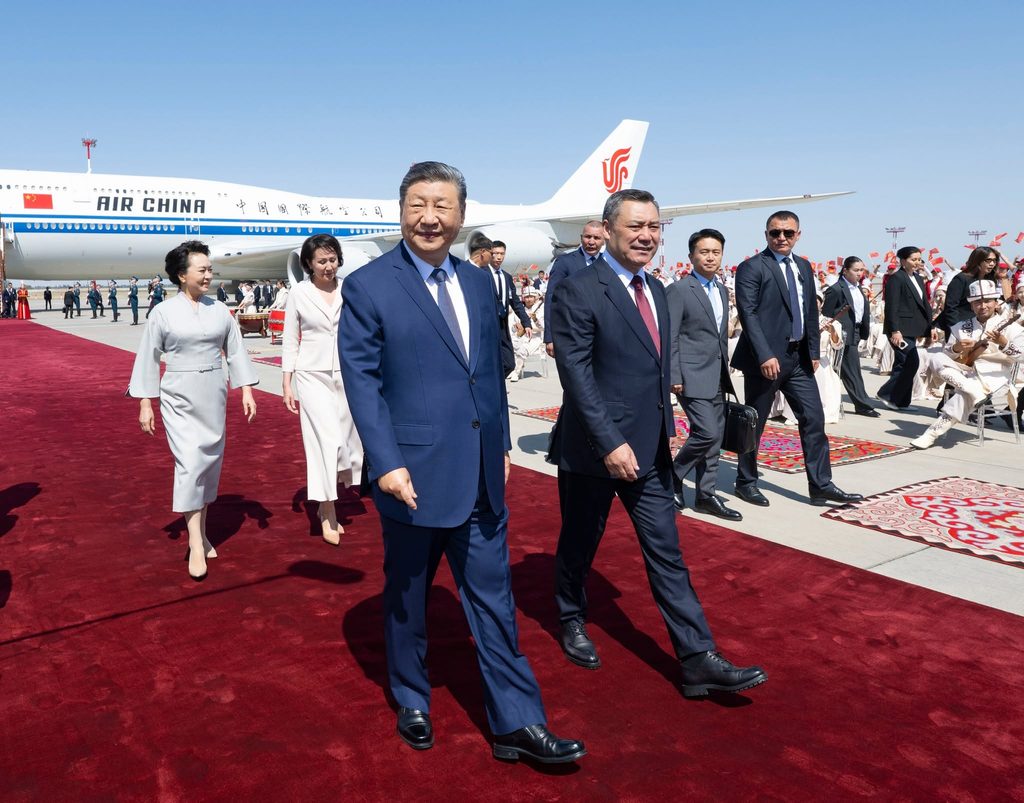
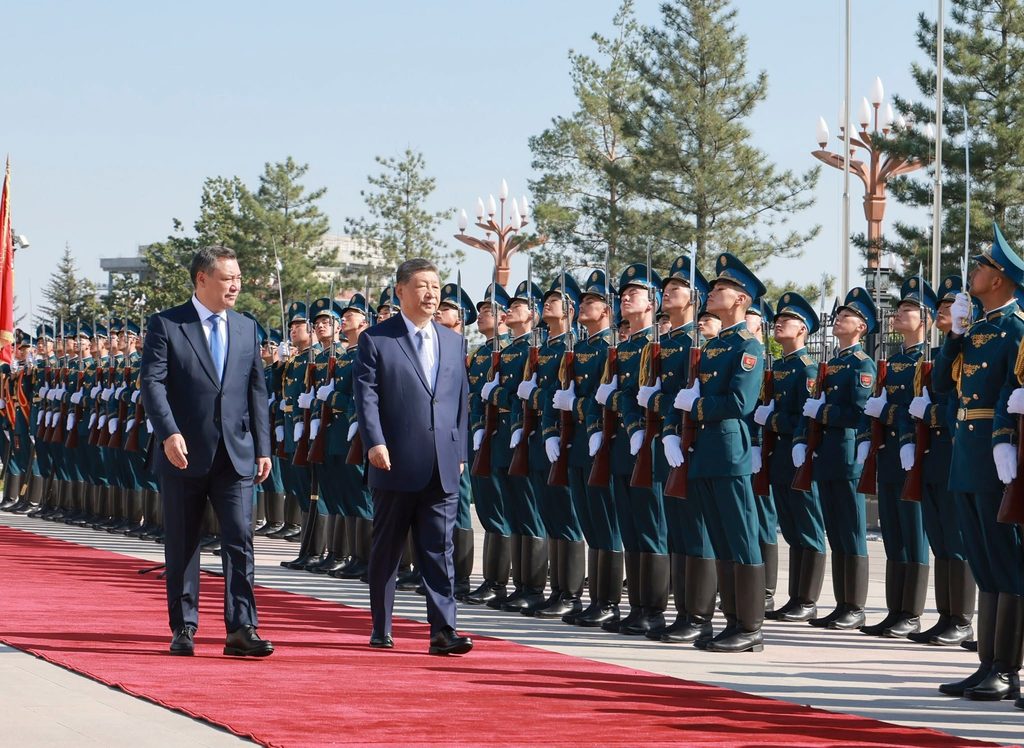
Chinese President Xi Jinping arrived in Bishkek to attend the Shanghai Cooperation Organization Summit 2026 and pay a state visit to Kyrgyzstan.
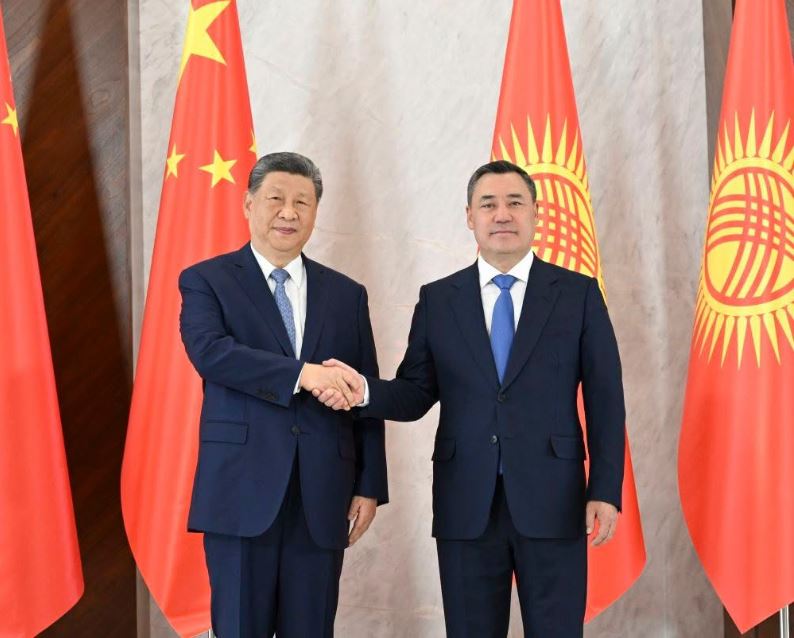
In total, 32 documents were signed during the talks between the two delegations. Beyond the central friendship treaty, the remaining agreements span a wide array of sectors, reflecting the breadth of cooperation between the two governments. These include accords at the Cabinet of Ministers and departmental levels covering:
- Border management and security
- Operations at the Bedel checkpoint
- Trade and economic cooperation
- Transport and infrastructure connectivity
- Agriculture
- Science and technology
- Education
- Culture
- Media and information exchange
The breadth of these agreements underscores the scale of the strategic relationship Kyrgyzstan and China are building, extending far beyond diplomatic symbolism into concrete, actionable cooperation across nearly every sector of governance and public life.
Xi Jinping’s State Visit and SCO Participation
Chinese President Xi Jinping is currently in Kyrgyzstan on an official state visit, one that coincides with his participation in two major multilateral events: the SCO Council of Heads of State meeting and the SCO Plus summit. His presence in Bishkek highlights the growing importance Beijing places on Central Asia as a strategic and economic partner, particularly amid shifting global geopolitical dynamics.
The two-day Shanghai Cooperation Organization summit officially began in Bishkek on Monday, August 31, drawing a high-profile roster of world leaders. Alongside Xi Jinping, Russian President Vladimir Putin and more than a dozen other heads of state and government are taking part in the summit, making it one of the largest diplomatic gatherings hosted by Kyrgyzstan in recent memory.
The SCO, which brings together major Eurasian powers to coordinate on security, economic, and political matters, has increasingly become a platform for countries seeking alternatives to Western-led international frameworks. Bishkek’s role as host this year places Kyrgyzstan firmly at the center of regional diplomacy.
Xi Jinping Highlights “Community With a Shared Future”
During his meeting with President Japarov, Xi Jinping outlined China’s vision for the future of bilateral relations, stating that Beijing is ready to work with Kyrgyzstan to “better align development strategies, deepen exchanges of experience in governance, deliver more tangible and accessible outcomes of practical cooperation, and make substantive progress in building a China-Kyrgyzstan community with a shared future.”
Xi noted that under the joint guidance of the two leaders, bilateral relations have “made a leap forward,” with cooperation flourishing across all areas in recent years. This language echoes China’s broader foreign policy framework of building “communities with a shared future” with partner nations — a diplomatic concept Beijing has increasingly applied to its relationships across Central Asia and beyond.
Major Infrastructure Projects Advance
Among the concrete achievements Xi pointed to was the steady progress of major cooperation projects, most notably the China-Kyrgyzstan-Uzbekistan railway — a long-anticipated infrastructure initiative that has been a cornerstone of regional connectivity ambitions for years. Xi said the railway and other joint projects have “provided effective support for the development of both countries,” while also benefiting local populations and contributing to peace, stability, and prosperity across the wider region.
The China-Kyrgyzstan-Uzbekistan railway, once completed, is expected to significantly reshape trade routes across Central Asia, offering China a more direct land corridor to markets in Central and South Asia while giving Kyrgyzstan and Uzbekistan enhanced access to Chinese and international trade networks. Analysts have long viewed the project as a flagship initiative under China’s Belt and Road framework, with implications for regional economic integration well beyond the three countries directly involved.
Regional and Global Significance
The signing of the Everlasting Friendship Treaty, paired with the broader SCO Summit proceedings, reflects Kyrgyzstan’s growing diplomatic profile on the world stage. Hosting leaders such as Xi Jinping and Vladimir Putin simultaneously — alongside more than a dozen other heads of state — positions Bishkek as a temporary nerve center for Eurasian geopolitics.
For Kyrgyzstan, the treaty offers reassurance of long-term Chinese investment and partnership, particularly important for a country seeking to diversify its economic ties and strengthen its infrastructure, trade, and governance capacity. For China, the agreement reinforces its strategic foothold in Central Asia, a region increasingly central to its Belt and Road Initiative and broader geopolitical ambitions.
As the SCO Summit continues in Bishkek over the coming day, further bilateral and multilateral discussions are expected, with officials likely to address regional security cooperation, economic integration, and coordinated responses to global challenges. The Kyrgyzstan-China treaty signed on the summit’s sidelines may well set the tone for how deeper bilateral partnerships are formalized among SCO member states going forward.
The full implications of the 32 signed agreements — spanning security, trade, culture, and infrastructure — are expected to unfold in the months ahead as both governments begin implementing the frameworks established during this historic visit.
]]>