Digital Infrastructure and E-Commerce as Connective Tissues linking China with ASEAN under Silk Road Spirit
## AI Takes Center Stage: A Marketplace Built for Matchmaking
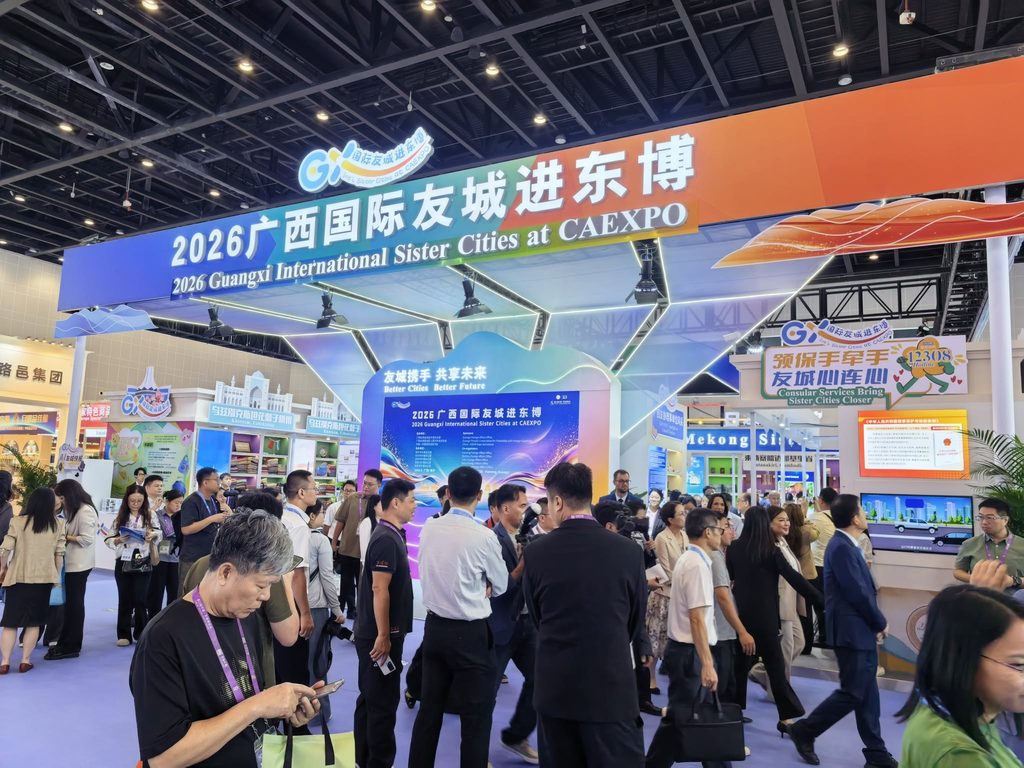
The most striking evidence of this shift is the expo’s first-of-its-kind AI marketplace, featuring more than 500 AI products organized across a dedicated main venue and sub-venue, each with a distinct focus. Rather than functioning as a general technology showcase, the marketplace has been deliberately structured as a matchmaking mechanism, designed to connect specific Chinese AI solutions directly with identified ASEAN needs.
This approach marks a meaningful evolution from earlier trade-fair models. Instead of leaving digital cooperation to develop organically through general business networking, organizers have built infrastructure — quite literally — to pair supply with demand at scale. A new exhibition area introduced this year reinforces the point, spotlighting specific ASEAN country demand for projects and applications across transport, smart logistics, AI, urban management, and industrial park development, effectively turning the expo floor into a live demand-mapping exercise for the region’s digital transformation.
## Digital Infrastructure and E-Commerce as Connective Tissue
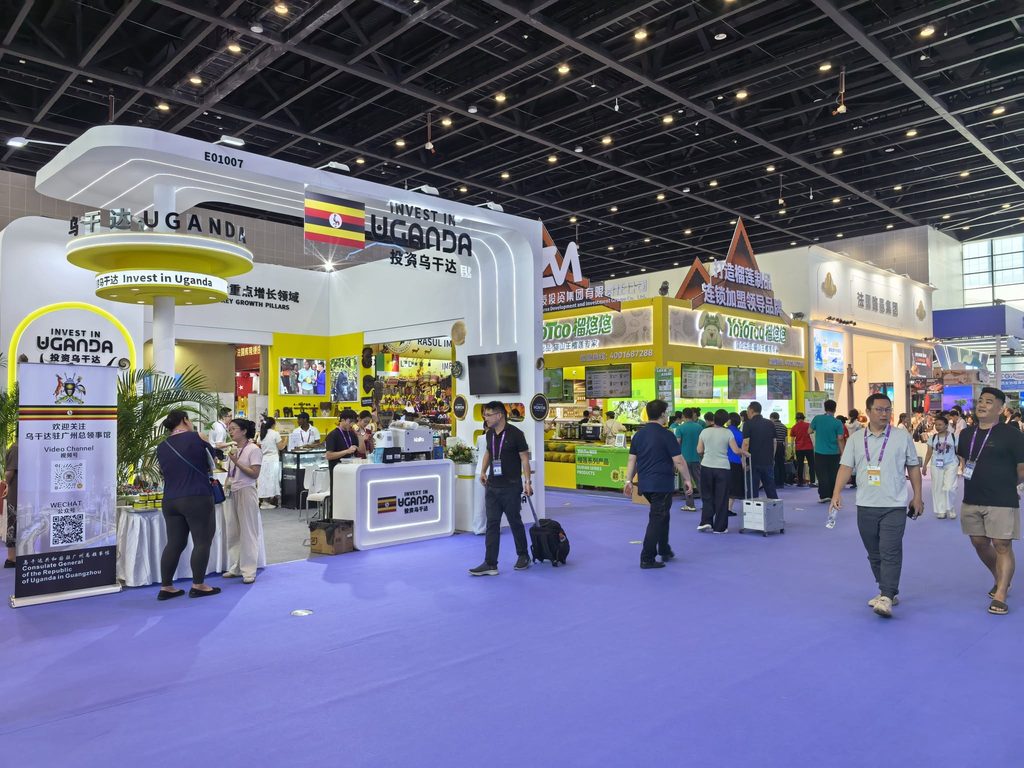
Beyond AI specifically, this year’s expo has placed sustained emphasis on the broader digital infrastructure and e-commerce architecture needed to knit China and ASEAN economies together. The event’s roughly 170,000 square meters of exhibition space includes dedicated sections on digital communications alongside AI and green development, reflecting an understanding among organizers that artificial intelligence adoption cannot be separated from the underlying connectivity — networks, logistics platforms, and cross-border digital payment and trade systems — that allows it to scale regionally.
E-commerce, in particular, has become one of the more tangible expressions of China-ASEAN digital integration in recent years, with cross-border online retail platforms increasingly serving as an accessible entry point for small and medium enterprises on both sides to reach new markets without the capital investment traditionally required for physical trade infrastructure. The expo’s more than 50 trade and investment promotion activities held throughout the week provide structured venues for exactly this kind of enterprise-level deal-making, layered underneath the broader diplomatic and policy programming.
## Green Development as a Parallel Track
Running alongside the digital and AI focus is a dedicated green development track, underscoring that China-ASEAN cooperation under CAFTA 3.0 is not treated as a single-issue agenda. The pairing is a deliberate one: digital infrastructure and green industry are increasingly discussed together in regional economic planning, given that data centers, AI computing, and digital logistics all carry significant energy demands — and both China and ASEAN economies face pressure to scale these technologies without abandoning climate and sustainability commitments.
## CAFTA 3.0: The Framework Behind the Push
This year’s theme, “CAFTA 3.0 Opportunities, Better Life,” makes explicit what the expo’s programming implies: that the latest upgrade to the China-ASEAN Free Trade Area is intended to formally expand coverage into exactly these digital-era sectors, alongside more traditional goods trade. The AI marketplace, the digital communications section, and the e-commerce-oriented promotional activities are best understood as an early, applied expression of what a CAFTA 3.0 framework is meant to enable — moving the trade relationship’s center of gravity toward services, data, and technology alongside physical goods.
## Guangxi’s Expanding Role as a Digital Gateway
The choice of Guangxi as host continues to carry strategic logic in this new digital context. During the expo, ASEAN Secretary-General Dr. Kao Kim Hourn met with Guangxi Governor H.E. Wei Tao, discussing cooperation spanning trade and investment, connectivity, tourism, and people-to-people exchanges. Dr. Kao specifically described Guangxi’s role as a gateway connecting China and ASEAN, encouraging deeper collaboration under the ASEAN-China Comprehensive Strategic Partnership.
That “gateway” framing, historically tied to Guangxi’s physical geography and border proximity to Vietnam, is increasingly being extended to the digital domain as well — positioning the region not just as a logistics corridor for goods, but as a coordination hub for the platforms, standards, and partnerships needed to scale AI and e-commerce cooperation across a diverse set of ASEAN economies at very different stages of digital development.
Timor-Leste’s debut as co-host this year adds a further dimension to this expanding footprint, bringing one of ASEAN’s newer and still-developing economies directly into an event increasingly oriented around next-generation digital and green industries — a signal that the digital cooperation agenda is meant to be inclusive of ASEAN’s full range of members, not concentrated only among its most digitally advanced.
## Conclusion: Connectivity for the AI Age
For two decades, the China-ASEAN Expo’s core narrative was one of physical connectivity — roads, ports, and cross-border trade volumes echoing the ancient Silk Road’s caravan routes. This year’s edition suggests that narrative is being rewritten for a different kind of terrain. The routes now being built run through data infrastructure, AI marketplaces, and e-commerce platforms as much as through highways and shipping lanes, and the “gateway” that Guangxi represents is increasingly digital as well as geographic.
Whether this Digital Silk Road matures into deep, mutually beneficial integration will depend on questions that go well beyond any single expo: how ASEAN’s diverse economies absorb and adapt AI technologies developed elsewhere, how e-commerce and digital infrastructure investment translate into local capacity rather than dependency, and how green development commitments keep pace with the energy demands of the digital systems being built. What is clear from Nanning this year is the direction of travel — a Silk Road Spirit of openness and mutual benefit now being explicitly extended into servers and algorithms, with the region’s next chapter of connectivity being written as much in code as in concrete.
AI Takes Center Stage at the 23rd China-ASEAN Expo held in Nanning, south China’s Guangxi Zhuang Autonomous Region,China
Nearly a quarter-century after China and ASEAN first launched their annual the 23rd China-ASEAN Expo as a platform for goods trade, this year’s 23rd edition in Nanning, Guangxi Zhuang Autonomous Region, signals a distinctly different kind of connectivity taking shape. Running from September 17 to 21 and drawing more than 3,400 companies from over 70 countries and regions, the expo’s headline moments this year center less on shipping containers and more on servers, algorithms, and digital supply chains — a shift that organizers and officials alike are framing as an extension of the Silk Road Spirit into the digital and AI era.


Push for a Chinese Universities Education Expo in Pakistan
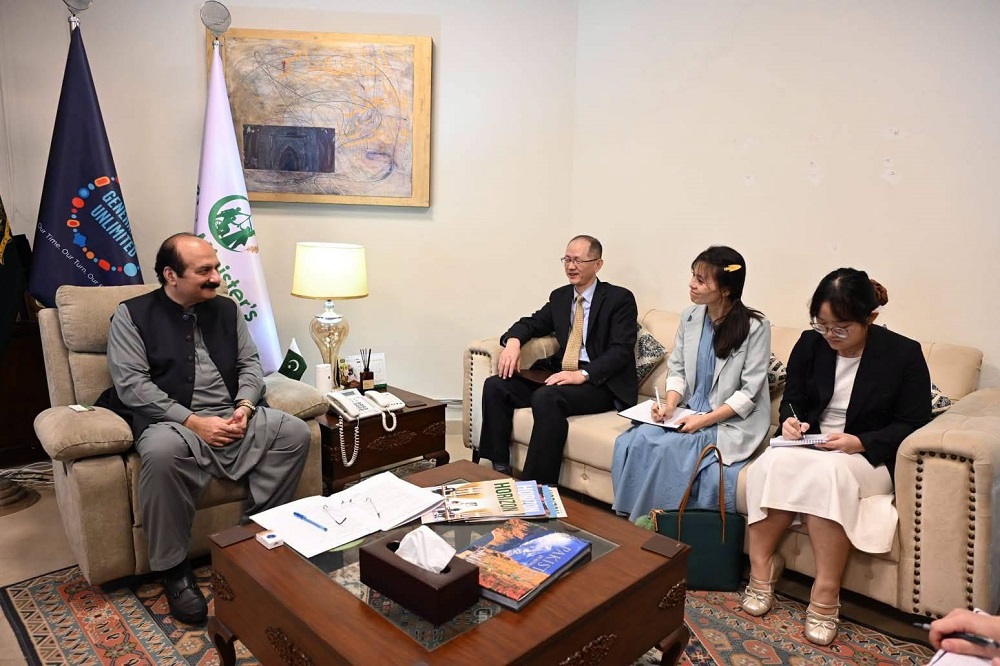
Islamabad: A high-level meeting was held at the Prime Minister’s Office between Chairman of the Prime Minister’s Youth Programme (PMYP), Rana Mashhood Ahmed Khan, and Shi Yuanqiang, Charge d’Affaires of the Embassy of the People’s Republic of China, to discuss avenues for strengthening Pakistan–China cooperation in youth development, education, skills, employment, technology, innovation, research and youth exchanges.
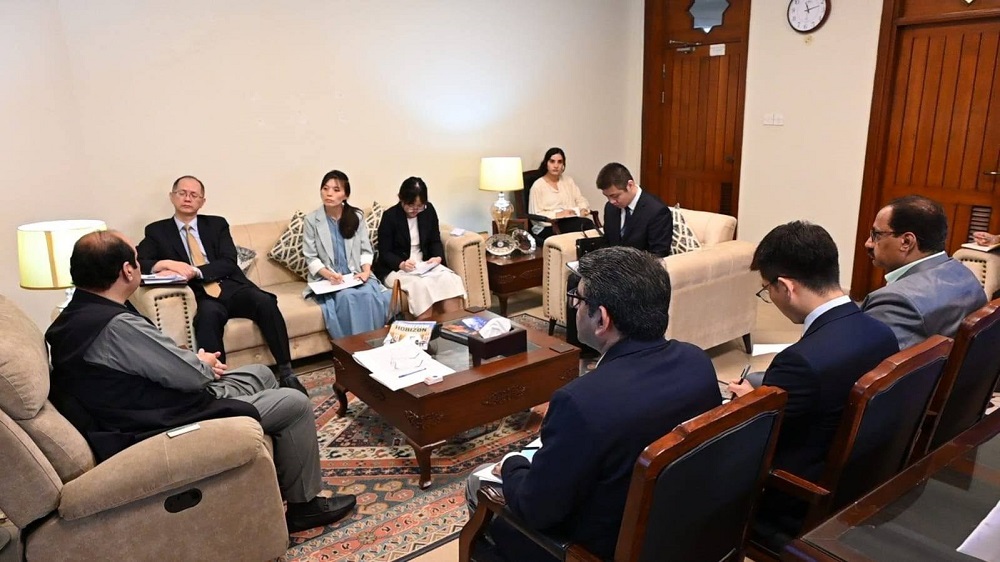
Chairman Rana Mashhood Ahmed Khan extended a warm welcome to Shi Yuanqiang and the accompanying Chinese delegation. The meeting was also attended by PMYP Joint Secretary Dr. Muhammad Ali Malik, along with other senior officers from the Programme.
Push for a Chinese Universities Education Expo in Pakistan
Opening the discussion, Chairman Rana Mashhood Ahmed Khan highlighted the strong and growing interest among Pakistani youth in pursuing higher education at Chinese universities. He proposed the organization of a dedicated Chinese Universities Education Expo in Pakistan, where leading Chinese institutions could directly engage with Pakistani students, showcase academic programmes and scholarships, and provide first-hand information on admission pathways.
He described the initiative as an education-focused platform functioning much like a job fair — bringing universities and prospective students together under one roof to simplify access to information and opportunity.
Reinforcing the “Iron Brother” Relationship Through Youth Engagement
The Chairman reaffirmed Pakistan’s commitment to deepening the longstanding Pakistan–China “iron brother” relationship, placing particular emphasis on people-to-people and youth-to-youth engagement. He stressed the importance of expanding exchanges in culture, technology, research, education and skills development to create meaningful, forward-looking opportunities for young people in both countries.
Rana Mashhood Ahmed Khan also revealed that PMYP Secretariats have already been established in China, a development he described as reflective of the growing institutional engagement between the two countries in the youth sector.
He expressed appreciation to the Government and people of China for their continued support to Pakistan, acknowledging the role of China’s advanced technology and capabilities in strengthening bilateral cooperation. Highlighting progress in the space sector, he noted that Pakistan’s first astronaut is expected to join China’s space station by the end of this year — a milestone he called a significant marker of Pakistan–China cooperation in science, technology and space exploration.
China Praises Digital Youth Hub, Seeks Wider Collaboration
Speaking at the meeting, Shi Yuanqiang emphasized the unique and enduring nature of Pakistan–China relations, reiterating the characterization of the two nations as “iron brothers.” He underlined the importance of expanding youth exchanges in culture, technology and research to promote greater interaction, mutual understanding and long-term collaboration between the younger generations of both countries.
The Chinese envoy specifically praised the Digital Youth Hub (DYH), a flagship initiative of the Prime Minister’s Youth Programme, describing it as an innovative and centralized platform that connects young people with diverse opportunities in one place. He commended PMYP for developing a mechanism that effectively engages, connects and empowers youth across the country.
Shi Yuanqiang further expressed China’s interest in exploring greater involvement of Chinese universities, companies, development organizations and private-sector partners with the Digital Youth Hub — a step that could significantly expand the range of opportunities available to Pakistani youth.
PMYP’s 4Es Framework and National Youth Employment Policy
Chairman Rana Mashhood Ahmed Khan briefed the Chinese delegation on PMYP’s flagship initiatives operating under its 4Es Framework — Education, Employment, Engagement and Environment. These include the Prime Minister’s Youth Skills Development Programme, Prime Minister’s Youth Laptop Scheme, Prime Minister’s Youth Business & Agriculture Loan Scheme, Prime Minister’s National Innovation Award, Prime Minister’s National Volunteer Corps, the Digital Youth Hub, Talent Hunt & Youth Sports League, and the Green Youth Movement.
He underscored the importance of collaboration on Pakistan’s National Youth Employment Policy, particularly in expanding employment, skills development, entrepreneurship and international opportunities for Pakistani youth. To this end, he proposed a structured mechanism with the Chinese Embassy to identify relevant opportunities through Chinese institutions, universities, companies and development organizations.
Joint Secretary PMYP Dr. Muhammad Ali Malik added that the Programme would work closely with the Chinese government on the National Youth Employment Policy, exploring areas of cooperation that could directly contribute to employment generation, skills development and professional opportunities for young Pakistanis.
Way Forward: Focal Persons and a Formal Cooperation Framework
As a concrete way forward, both sides agreed to designate focal persons to maintain regular communication, facilitate coordination and identify actionable areas of collaboration. It was further proposed that the two sides work towards developing a formal framework of cooperation with the Embassy of China, covering the National Youth Employment Policy and broader youth employment opportunities.
The meeting concluded on a note of shared commitment to deepen Pakistan–China cooperation in the youth sector, with both sides expressing optimism about translating the two countries’ longstanding friendship into practical, meaningful opportunities for young people.
Conclusion
The discussions between the Pakistan Prime Minister’s Youth Programme and the Chinese Embassy mark another step forward in institutionalizing Pakistan–China cooperation beyond traditional economic and strategic domains. As both nations look to equip their youth for an increasingly technology-driven future, sustained collaboration in education, skills development, employment generation, research and innovation will be essential. Initiatives such as the proposed Chinese Universities Education Expo, the Digital Youth Hub and a structured youth employment framework represent tangible pathways for turning the “iron brother” relationship into lasting opportunities for the younger generations of both countries. Continued high-level engagement, backed by clear implementation mechanisms and dedicated focal persons, will be key to ensuring that this momentum translates into measurable outcomes — reinforcing Pakistan–China friendship as a partnership that actively invests in the future of its youth.
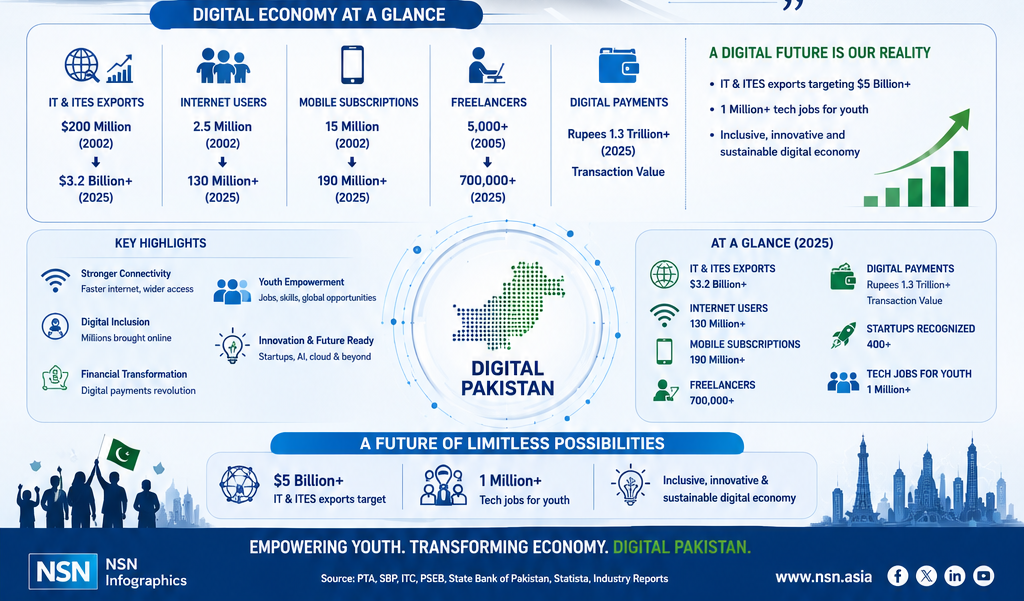
]]>Two decades ago, getting online in Pakistan meant a screeching dial-up modem, a handful of internet cafés, and a mobile phone that only the privileged few could afford. Today, the country is home to over 100 million mobile broadband users, a fintech ecosystem processing billions of rupees in instant payments, and one of the world’s fastest-growing freelance workforces.
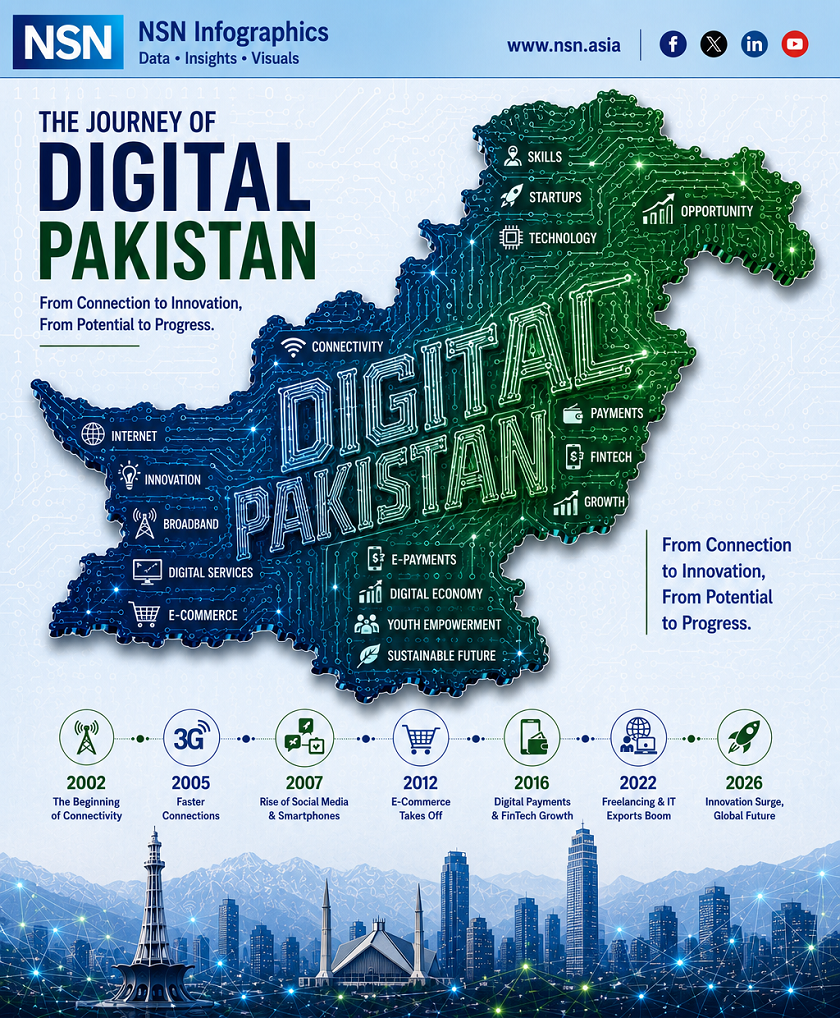
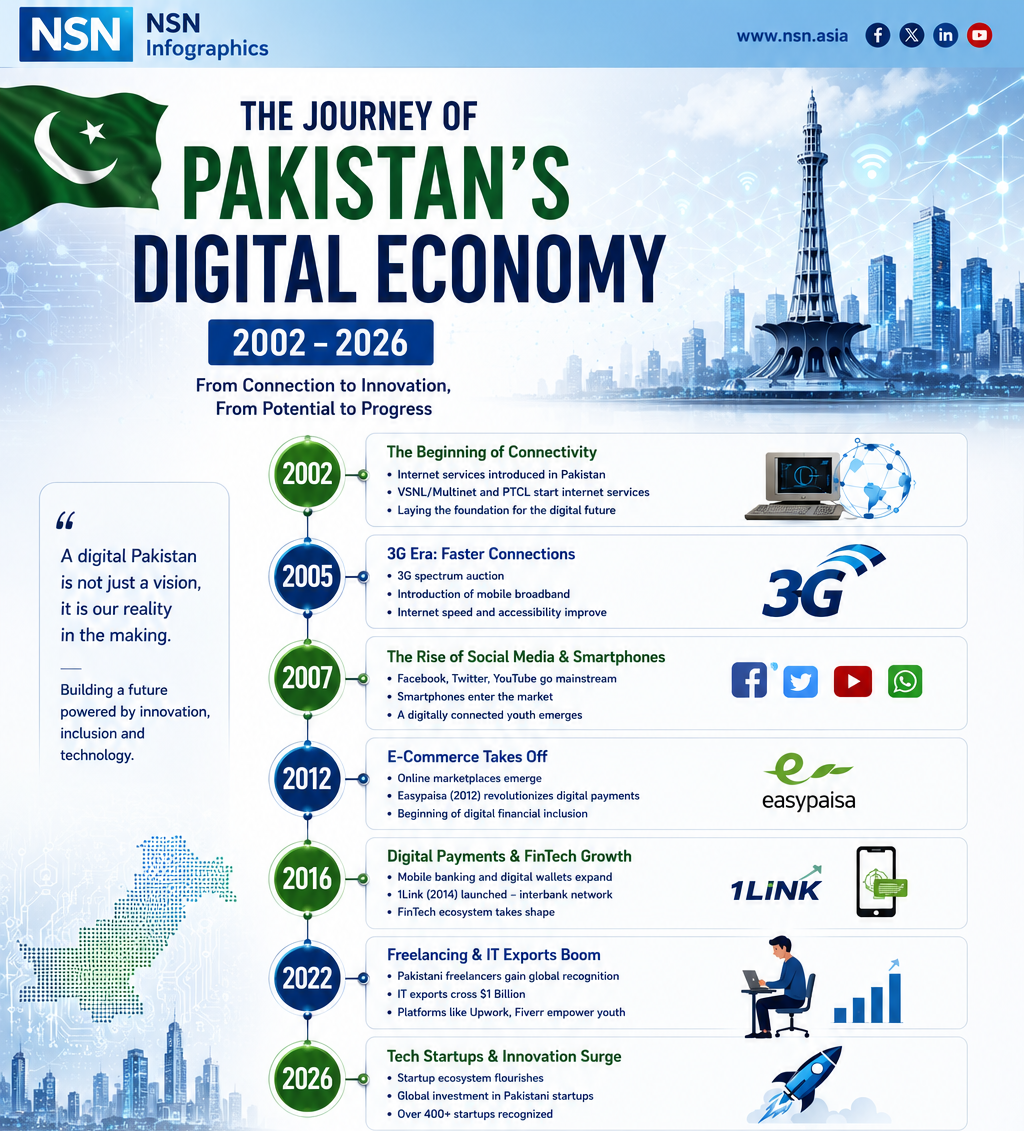
The transformation didn’t happen overnight. It was built policy by policy, auction by auction, and startup by startup — starting with a bold telecom deregulation move in 2002 that set the stage for everything that followed. This article traces the journey of Pakistan’s digital economy from 2002 to 2026, examining the milestones, the numbers, and what lies ahead for one of South Asia’s most dynamic tech markets.
Why Pakistan’s Digital Economy Story Matters
Pakistan is the world’s fifth most populous country, with a median age under 21. That demographic weight, combined with rapidly falling smartphone and data costs, has turned the country into a genuine testing ground for digital-first growth. Understanding how Pakistan got here — and where the gaps remain — offers lessons for other emerging markets navigating the same path from connectivity to a full-fledged digital economy.
2002–2007: The Telecom Deregulation That Started It All
Pakistan’s digital story begins not with an app or a startup, but with a policy decision. In 2002 and 2003, the government deregulated the telecom sector, ending PTCL’s monopoly and opening the mobile market to competition. Companies like Mobilink and Ufone expanded aggressively, and for the first time, owning a mobile phone became realistic for middle-class households rather than a luxury reserved for the elite.
The Pakistan Telecommunication Authority (PTA), empowered during this period, became the regulatory backbone for what would become a rapidly expanding sector. Between 2002 and 2007, mobile teledensity rocketed from roughly 2% to nearly 50% of the population — one of the fastest telecom growth curves in the region at the time.
Internet access during this era was still limited mostly to dial-up and early DSL connections, concentrated in urban centers. But the groundwork — regulatory reform, foreign investment in telecom infrastructure, and a rapidly growing mobile user base — had been laid.
2008–2013: Mobile Broadband and the First Wave of E-Commerce
The next five years were about deepening connectivity. Broadband subscriptions crossed the one-million mark, and internet cafés slowly gave way to home and office connections. Discussions around a 3G/4G spectrum auction began as early as 2008, though political and regulatory delays pushed the actual rollout years down the road.
This period also saw the seeds of Pakistan’s e-commerce sector. Daraz.pk launched in 2012, introducing organized online retail to a market that had largely relied on informal classifieds and word-of-mouth commerce. Meanwhile, banks began experimenting with early digital and branchless banking products, setting up the infrastructure that mobile wallets would later scale dramatically.
2014–2017: The 3G/4G Revolution
If there’s a single inflection point in Pakistan’s digital economy timeline, it’s 2014. That year, the government held its long-awaited 3G/4G spectrum auction, and mobile broadband went live nationwide almost immediately afterward. The effect was immediate and dramatic — smartphone adoption surged as data became affordable and accessible outside major cities for the first time.
This period supercharged two sectors in particular:
- Mobile financial services: Easypaisa and JazzCash scaled rapidly, giving millions of previously unbanked Pakistanis access to digital payments, mobile top-ups, and bill payments through branchless banking agents.
- Freelancing: With reliable mobile internet reaching smaller cities and towns, Pakistani freelancers began tapping into global platforms for software development, design, writing, and virtual assistance work — a trend that would make Pakistan one of the top freelance-exporting countries within a decade.
2018–2020: The Digital Pakistan Policy Era
By 2018, it was clear that ad hoc growth needed a coordinated national strategy. The government launched the “Digital Pakistan” vision, followed by the National Digital Pakistan Policy later that year. The policy framework focused on five pillars: access and connectivity, digital infrastructure, e-government, digital skilling, and innovation and entrepreneurship.
Around the same time, organizations like Ignite (formerly the National ICT R&D Fund) and the Pakistan Software Export Board (PSEB) ramped up support for startups and IT exporters. Fintech licensing reforms from the State Bank of Pakistan (SBP) opened the door for Electronic Money Institutions (EMIs), paving the way for digital-first financial products beyond traditional banking.
By 2019, independent research — including data cited by Payoneer and the Oxford Internet Institute — ranked Pakistan among the top four countries globally for freelance revenue growth, a remarkable outcome for a market that barely had reliable mobile broadband five years earlier.
2020–2022: The Pandemic-Driven Digital Leap
COVID-19 did to Pakistan’s digital economy what years of policy alone could not: it forced rapid, mass adoption. E-commerce platforms saw order volumes spike as lockdowns pushed consumers online. EdTech platforms scaled to keep students learning remotely. Telemedicine, previously a niche offering, became a mainstream necessity almost overnight.
The most consequential infrastructure milestone of this period came in January 2021, when the State Bank of Pakistan launched Raast, the country’s first instant payment system. Raast allowed real-time, low-cost transfers between banks and digital wallets — a foundational piece of infrastructure that fintech companies, e-commerce platforms, and government disbursement programs continue to build on today.
Investor confidence followed the momentum. 2021 became a record-breaking year for Pakistani startups, with venture capital funding crossing roughly $350 million — an unprecedented figure for the local ecosystem, driven by fintech, e-commerce, and logistics startups attracting both regional and global investors.
2022–2024: Fintech Maturity Amid a Global Funding Winter
The global startup funding slowdown that hit markets worldwide in 2022 didn’t spare Pakistan. Venture capital investment cooled significantly compared to the 2021 peak, and several high-profile startups scaled back operations or shut down entirely amid currency devaluation, inflation, and tighter global capital.
But the slowdown in funding didn’t mean a slowdown in usage. Fintech adoption continued to mature, with digital wallets, QR-code payments, and buy-now-pay-later products gaining ground in urban and semi-urban markets. B2B e-commerce — connecting retailers and wholesalers digitally — emerged as a resilient niche even as consumer-facing e-commerce cooled.
On the policy side, the Digital Nation Pakistan Act was passed in 2023, aiming to create a unified digital ID and service delivery framework linked to NADRA’s existing infrastructure. Despite macroeconomic headwinds, IT and IT-enabled services (ITeS) exports continued climbing, underscoring the sector’s relative resilience compared to other parts of the economy.
2024–2026 and Beyond: Scaling and Global Integration
Looking at the current phase, Pakistan’s digital economy is shifting focus from raw connectivity growth toward deeper integration and global competitiveness. Key themes shaping this period include:
- 5G groundwork: Trials and spectrum planning discussions are underway, though full commercial rollout timelines continue to be debated against infrastructure and investment constraints.
- AI policy development: A national AI policy framework has been drafted, aiming to position Pakistan for AI-driven services and workforce development.
- IT export ambitions: Industry bodies and government targets point toward significantly higher IT and ITeS export revenue, building on the sector’s status as one of Pakistan’s more reliable sources of foreign exchange.
- Digital and financial inclusion: Continued expansion of Raast, mobile wallet adoption, and government-to-person digital disbursements aim to bring more of the unbanked population into the formal digital economy.
- Regional connectivity: Pakistan is positioning itself as a digital and outsourcing bridge between South Asia, the Gulf, and Central Asia, leveraging its freelance talent pool and growing tech services sector.
The Numbers That Define the Journey
A few statistics capture just how far Pakistan’s digital economy has traveled since 2002:
- Mobile teledensity rose from roughly 2% in 2002 to near-universal penetration today.
- Mobile broadband subscribers now number in the tens of millions, following the 2014 3G/4G rollout.
- Pakistan consistently ranks among the top freelance-earning countries globally, according to multiple industry reports.
- Raast, launched in 2021, has become a core piece of national payments infrastructure.
- Startup funding peaked at roughly $350 million in 2021, before cooling amid the global venture capital slowdown.
Challenges That Still Need Solving
No growth story is without friction, and Pakistan’s digital economy faces real structural challenges:
- The digital gender gap remains significant, with women’s mobile and internet access still trailing men’s in many regions.
- Currency volatility and inflation have made it harder for startups to raise and deploy capital efficiently.
- Cybersecurity and data protection frameworks are still catching up to the pace of digital adoption.
- Rural connectivity gaps persist, meaning the benefits of the digital economy remain unevenly distributed between urban centers and smaller towns.
- Policy consistency across changing governments has occasionally slowed the implementation of otherwise well-designed digital strategies.
What This Means for Businesses and Investors
For businesses, Pakistan’s digital economy represents a market that has moved past the early-adopter phase into genuine mass-market digital behavior — particularly in payments, e-commerce, and remote services. For investors, the story is one of a large, young, increasingly connected population with proven demand for digital financial services, even as near-term capital markets remain cautious.
Freelancers and IT service providers, meanwhile, have arguably been the most consistent beneficiaries of this two-decade transformation, turning Pakistan into a genuine export hub for digital labor even during periods of broader economic uncertainty.
Conclusion: From Connectivity to a Digital Economy
Pakistan’s digital economy didn’t emerge from a single breakthrough — it was built in stages: deregulation opened the door in 2002, mobile broadband widened it in 2014, policy frameworks structured it from 2018 onward, and the pandemic forced mass adoption between 2020 and 2022. Each phase built on the last, and each came with its own set of winners, setbacks, and lessons.
As Pakistan moves through 2026 and beyond, the focus is shifting from simply getting people online to building the deeper infrastructure — 5G, AI policy, digital ID systems, and export-oriented IT growth — that will determine whether the country’s digital economy can scale from a regional success story into a genuinely global one.
]]>A delegation from the Maijishan Grottoes Art Research Institute of the Dunhuang Academy of China shares its expertise in grotto temple conservation and World Heritage site management.International Dunhuang & Its Link with the Silk Road
Dunhuang—a historic oasis city on the edge of the Gobi Desert—served as a vital gateway along the ancient Silk Road, linking China with Central Asia, the Middle East, and Europe. For centuries, it functioned as a cultural and commercial crossroads where goods, religions, art, and ideas converged.
Today, “International Dunhuang” represents China’s effort to revive this legacy under modern connectivity initiatives like the Belt and Road Initiative. The city has been repositioned as a hub for cultural diplomacy, tourism, and academic exchange.
A central symbol of this transformation is the Silk Road (Dunhuang) International Cultural Expo, which brings together countries across Eurasia to promote shared heritage, economic cooperation, and people-to-people ties. The event highlights Dunhuang’s historical role as a meeting point of civilizations and reinforces its relevance in today’s geopolitical and economic landscape.
Moreover, landmarks like the Mogao Caves—a UNESCO World Heritage site—reflect the deep cultural exchanges fostered by the Silk Road, with influences from Indian, Persian, and Central Asian traditions visible in Buddhist art and manuscripts.
In essence, International Dunhuang serves as both a symbolic and practical bridge between the ancient Silk Road spirit and modern Eurasian connectivity—blending heritage with diplomacy, and history with future-oriented cooperation.
Ambassador Faisal Niaz Tirmizi received Pakistan’s Kyokushinkan team—comprising athletes Irfan Khan, Raza Abid, and Ali Rehman, led by coach Aslam Noor—following their success at the NATIONS CUP 2026, where they secured 2nd and 3rd place prizes.


The NATIONS CUP 2026 International Kyokushinkan Competitions were held in Moscow from February 28 to March 1, 2026, organized with the support of the Ministry of Sports of the Russian Federation.
Congratulations to the Pakistani athletes on this remarkable achievement

 to
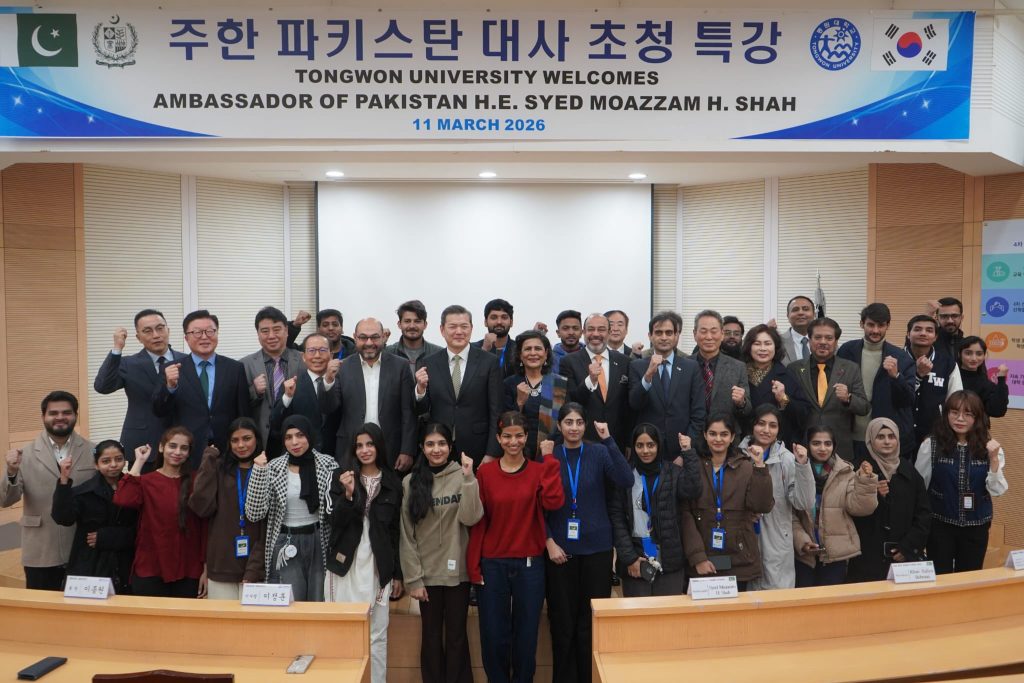
to  , warmly welcomed a group of 22 Pakistani students (including 15 female students) to Tongwon University, a leading institution for skill development.
Under the Embassy led initiative to secure scholarship opportunities for Pakistani students, these students will undertake a two-year skill development program along with a one-year Korean language course at Tongwon University, further strengthening educational cooperation between Pakistan and the Republic of Korea.