[ad_1]
-
RCCI President Usman Shaukat calls for expanding bilateral trade and building stronger business-to-business linkages between between Pakistan and China.
By: Muhammad Arif, Editor NSN.Asia
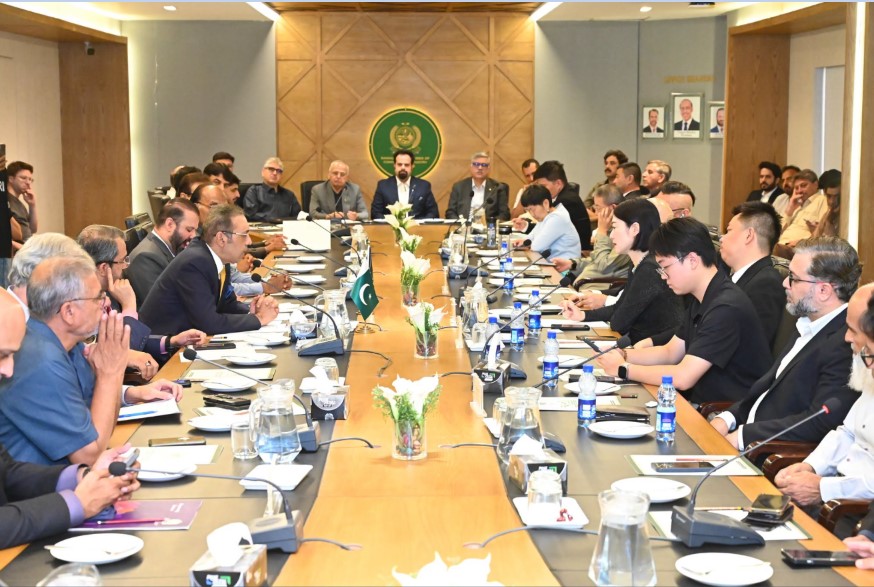
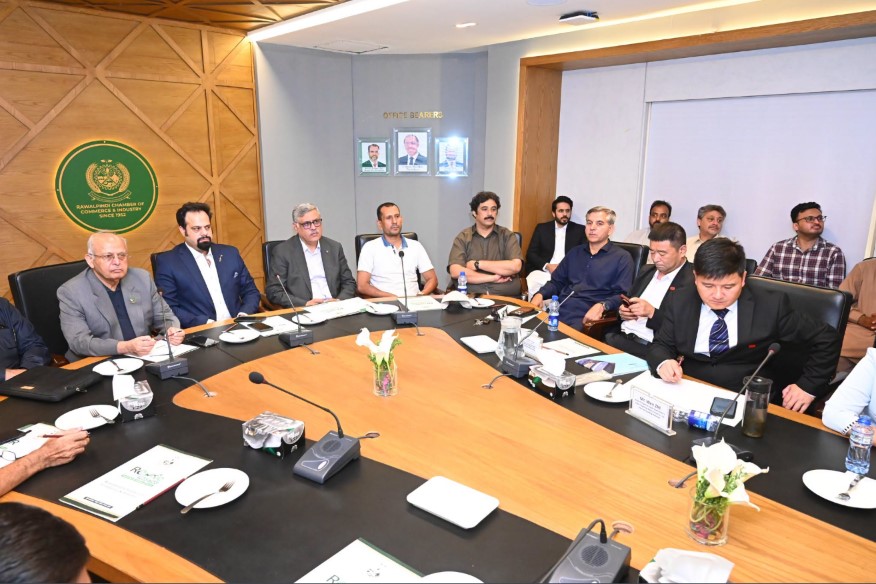
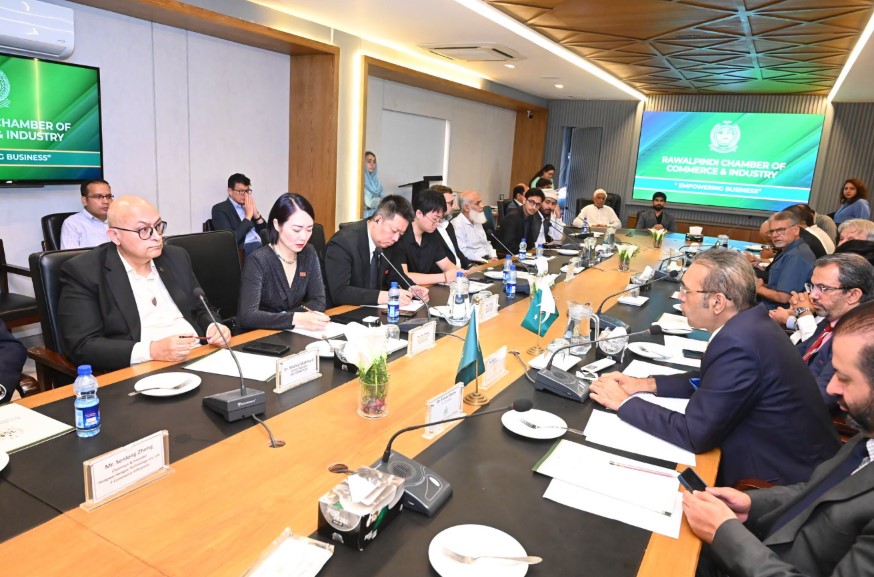
Rawalpindi — The Rawalpindi Chamber of Commerce & Industry (RCCI) hosted a high-level Chinese business delegation at Chamber House for a business-to-business (B2B) collaboration meeting aimed at deepening trade and investment ties between Pakistan and China.
The session was chaired by RCCI President Usman Shaukat, who welcomed the visiting delegation and stressed the importance of expanding bilateral trade and building stronger business-to-business linkages between the two countries.
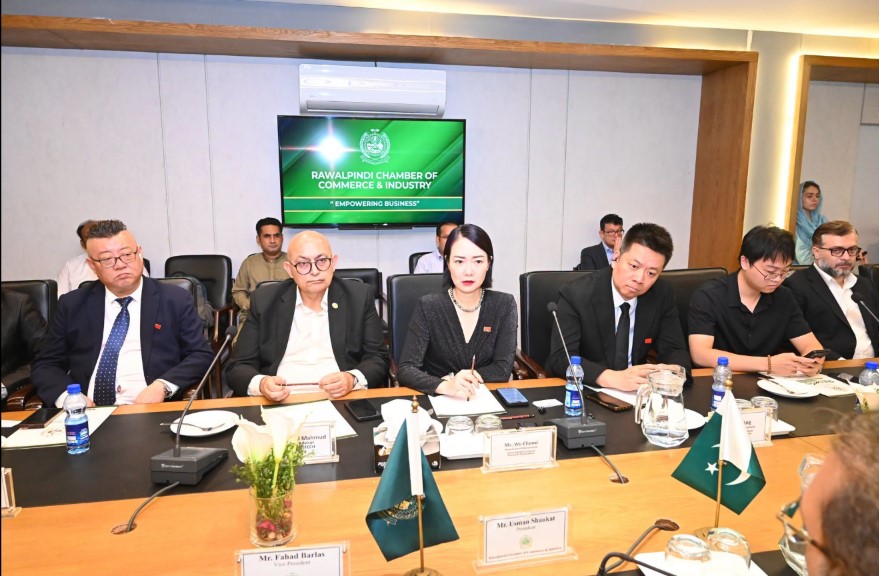
He was joined by RCCI Senior Vice President Khalid Farooq Qazi, Vice President Fahad Barlas, members of the Executive Committee, and representatives from a cross-section of local business sectors.
Chinese Delegation Spans Ten Industries
The visiting delegation was led by Li Ang, Deputy Secretary-General of the China Business Culture Research Association, and included business leaders and experts drawn from a wide range of industries: steel and building materials, renewable energy, electric vehicles, new energy solutions, aviation and the low-altitude economy, agriculture technology, financial services, investment advisory, cultural exchange, and industrial manufacturing.
That breadth of sectors reflects the direction China–Pakistan economic cooperation has been taking over the past year, moving beyond the large-scale infrastructure projects associated with the corridor’s first phase toward technology, industry and private-sector-led investment.
Trade, Investment and Technology on the Agenda
According to RCCI, the meeting served as a platform for exploring trade opportunities, investment partnerships and technology transfer, alongside broader discussion on strengthening economic cooperation between the two countries. Participants from both sides used the session to identify potential areas of collaboration across the sectors represented by the Chinese delegation, from renewable energy and EVs to agri-tech and financial services.
RCCI leadership framed the meeting as part of the chamber’s ongoing effort to connect Rawalpindi’s business community with international partners and attract investment into the region.
Backgrounder: What Is CPEC 2.0?
The meeting comes as Pakistan and China continue rolling out the second phase of the China-Pakistan Economic Corridor (CPEC), widely referred to as CPEC 2.0. CPEC is the roughly $62 billion flagship project of China’s Belt and Road Initiative, designed to connect Pakistan’s Gwadar and Karachi ports to China’s Xinjiang region.
CPEC’s first phase, launched in 2013, was concentrated on large-scale infrastructure: energy projects, roads and port construction aimed at addressing Pakistan’s core infrastructure gaps. That phase formally gave way to CPEC 2.0 at the 14th Joint Cooperation Committee meeting held in Beijing in September 2025, marking a shift toward people-centric development, technological collaboration and regional economic integration.
Officials on both sides describe the new phase as a move from infrastructure toward industrialization. Pakistani officials have said CPEC 2.0 is centered on high-quality development, with expanded cooperation in industrialization, agriculture, mining and minerals, information technology and human resource development, and that the effort is aligned with Pakistan’s broader “5E” development framework covering exports, digital government, climate, energy and equity.
The revamped corridor is also organized around a wider set of priorities. The updated framework is built around five broad corridors — growth, innovation, green development, livelihood and regional connectivity — with the push gaining political momentum around the 75th anniversary of Pakistan-China diplomatic relations. On the investment side, Pakistan has expanded its roster of approved special economic zones from seven to as many as 44, including 37 newly notified zones, through the Board of Investment.
Chinese officials have echoed the shift in emphasis. The Chinese Ambassador to Pakistan has said cooperation under the upgraded second phase of CPEC is expanding into new areas such as agriculture, mining and social development, alongside growing private-sector involvement in exports, value-added industry and human capital development.
Analysts note the transition is still a work in progress. Some commentary frames 2026 as a pivotal year for CPEC’s ability to move from corridor-building to genuine economy-building, describing early results as “optimistically hesitant.” Security and financing pressures remain part of the picture as well, with some infrastructure components, including sections of the ML-1 railway upgrade, reportedly being explored for alternative funding sources such as the Asian Development Bank.
Engagements like this week’s RCCI-hosted B2B meeting reflect how CPEC 2.0’s broader, multi-sector agenda — spanning renewable energy, EVs, agri-tech and manufacturing — is increasingly playing out at the level of chamber-to-chamber and company-to-company contacts, rather than only through government-to-government infrastructure deals.
Why It Matters
For Rawalpindi’s business community, direct engagement with Chinese delegations offers a channel to sectors — renewable energy, electric vehicles, agri-tech, financial services — that are central to where CPEC’s next phase is headed. RCCI’s leadership indicated the chamber intends to keep building on the connections made during the visit as part of its broader push to expand the city’s trade and investment links with China.
[ad_2]
-
Pakistan’s Forward Sports, China’s Zhongzi Huaxin Group signs technical and investment cooperation agreement
By: Muhammad Arif, Editor NSN.Asia
Islamabad — In a fresh sign of expanding Pakistan-China economic and technology cooperation under the second phase of the China-Pakistan Economic Corridor (CPEC 2.0), the Special Investment Facilitation Council (SIFC) on Thursday facilitated the signing of a technical and investment cooperation agreement between Pakistan’s Forward Sports and China’s Zhongzi Huaxin Group.
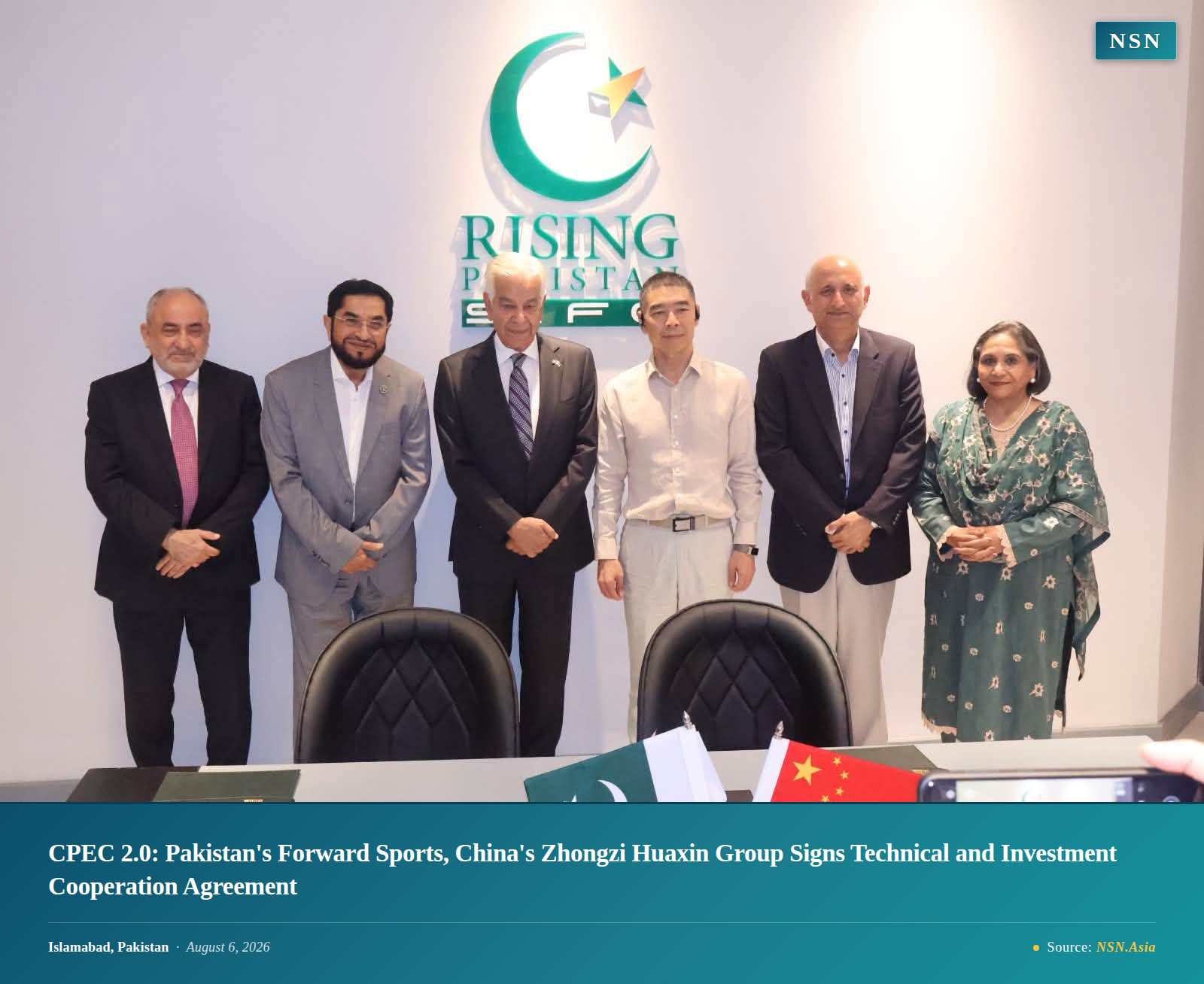
The agreement paves the way for the joint production of world-class sports footwear in Pakistan, combining Pakistani manufacturing capability with Chinese capital and industrial expertise — a partnership model increasingly central to CPEC 2.0’s shift from infrastructure to industrial cooperation, technology transfer, and export-led growth.
About the Partners
Forward Sports is widely recognised as Pakistan’s leading sports goods manufacturer. The company is best known for producing high-quality footballs used at FIFA World Cup tournaments, and it also manufactures sports bags, apparel, and lifestyle footwear for international markets.
Zhongzi Huaxin Group is a diversified Chinese investment and asset management group with established expertise in industrial development, footwear and apparel industrial parks, and regional economic cooperation projects across partner countries.
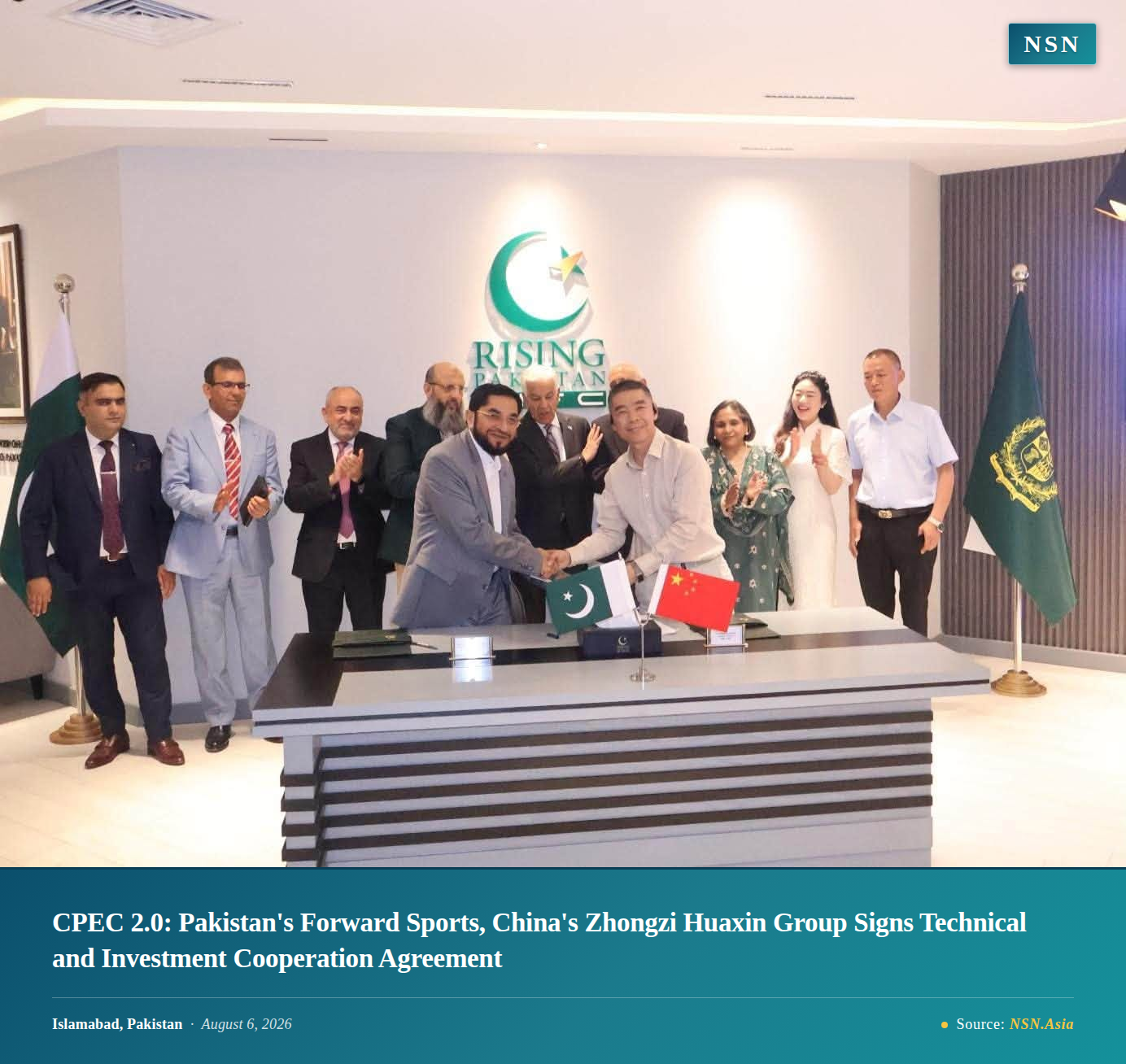
Signing Ceremony at SIFC
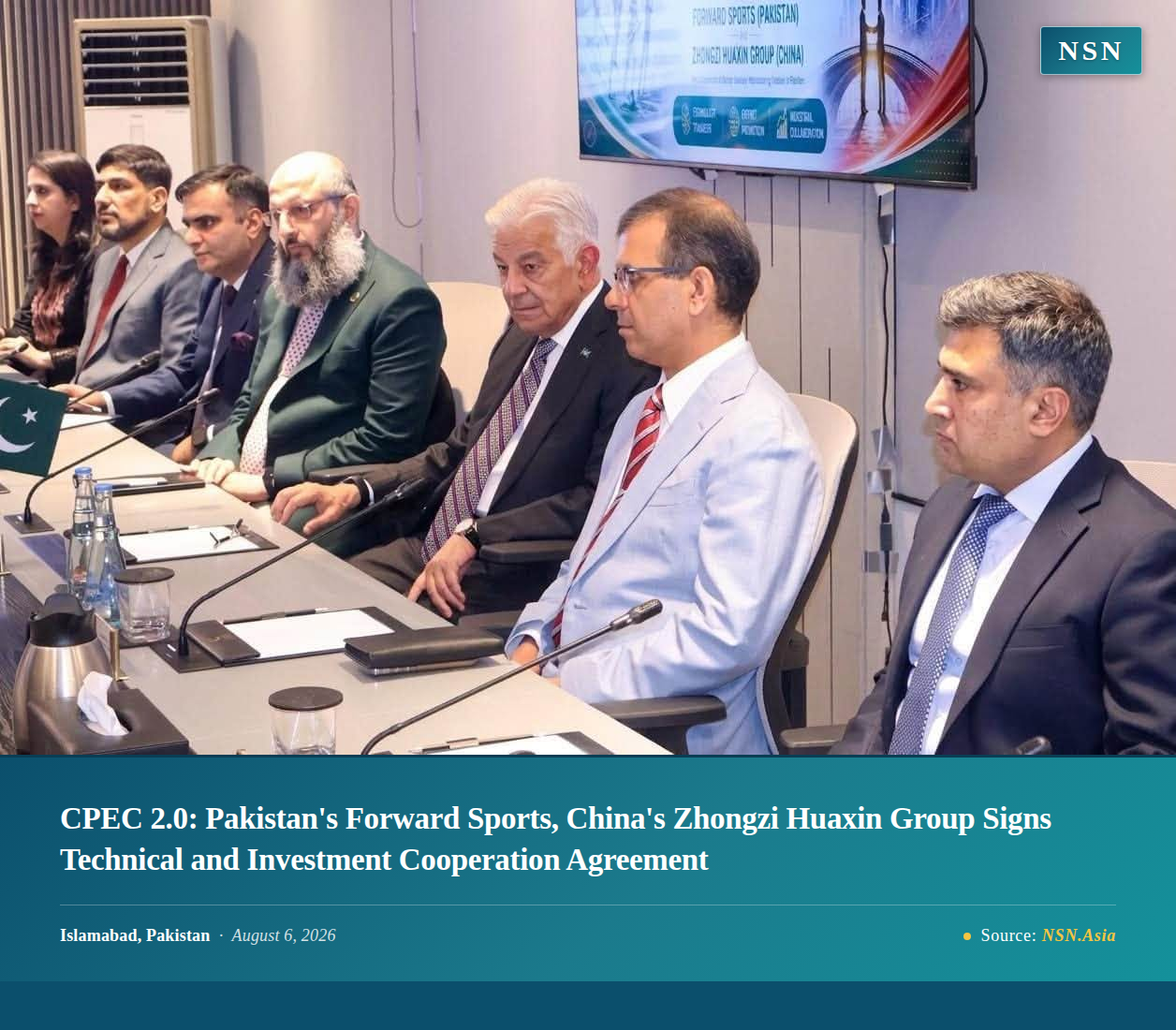
The signing ceremony, held at the SIFC, was attended by senior Pakistani and Chinese stakeholders, including:
- The Minister for Defence
- The Director General, SIFC
- The Chairman, Pakistan Regional Economic Forum
- The Chief Executive Officer, Zhongzi Huaxin Group
- The Chief Executive Officer, Forward Sports
Their presence underscores the strategic weight both governments are placing on private-sector-led industrial cooperation as a pillar of the evolving Pakistan-China economic relationship.
What This Means for CPEC 2.0 and Pakistan’s Economy
Officials say the agreement is expected to deliver benefits across several key areas:
- Technology transfer from Chinese industrial and manufacturing expertise to Pakistan’s footwear sector
- Industrial development, supporting the growth of footwear and apparel manufacturing capacity within Pakistan
- Employment generation, creating jobs across production, supply chain, and export-oriented roles
- Export diversification, helping Pakistan move beyond traditional exports into higher-value manufactured goods
- Greater market share for Pakistan in the growing global footwear industry
By pairing Forward Sports’ manufacturing track record with Zhongzi Huaxin Group’s investment and industrial park experience, the deal reflects the broader CPEC 2.0 strategy of attracting Chinese capital into Pakistan’s special economic zones and export-oriented industries, rather than large-scale infrastructure alone.
Why It Matters
The agreement adds to a growing list of SIFC-facilitated deals aimed at unlocking foreign direct investment in Pakistan’s manufacturing and export sectors. As Pakistan looks to stabilise its economy and boost foreign exchange earnings, partnerships that bring in technology, capital, and access to global supply chains — such as this footwear venture — are being positioned by officials as a template for future Pakistan-China industrial collaboration under CPEC’s next phase.
Backgrounder: What Is CPEC 2.0, and How Does It Fit Into the Belt and Road Initiative?
The China-Pakistan Economic Corridor was launched in 2013 as a flagship project of China’s global Belt and Road Initiative (BRI), envisioned as a network linking China’s Xinjiang region to Pakistan’s Gwadar and Karachi ports on the Arabian Sea. Its first phase concentrated on foundational infrastructure — power plants, highways, and transport links — work credited with easing Pakistan’s chronic energy shortages and improving connectivity between provinces and commercial hubs.
CPEC entered a new phase, widely referred to as CPEC 2.0, following high-level talks between Islamabad and Beijing. The upgraded framework was formally agreed during the seventh round of the Pakistan-China Foreign Ministers’ Strategic Dialogue in Beijing in early January 2026, and it builds on groundwork laid at the 14th Joint Cooperation Committee (JCC) meeting in late 2025. Rather than large-scale infrastructure, CPEC 2.0 shifts the corridor’s focus toward:
- Industrialisation and Special Economic Zones (SEZs) to attract manufacturing investment and boost exports
- Agriculture modernisation, including improved seed varieties, irrigation, and farming technology
- Mining and mineral development
- Information technology, science and technology, and cybersecurity cooperation
- Technical and vocational training
- Continued development of Gwadar Port as a regional trade hub, and the Main Line-1 (ML-1) railway upgrade
- For the first time, an openness to third-country participation in CPEC projects under terms agreed by both Islamabad and Beijing
Officials on both sides describe CPEC 2.0 as a move from “connectivity” to “value addition” — prioritising industrial and technology partnerships, of the kind reflected in the Forward Sports-Zhongzi Huaxin Group agreement, over new roads and power plants. Since CPEC’s inception, Chinese officials cite more than $25 billion in direct investment delivered through the corridor, alongside hundreds of thousands of jobs and thousands of megawatts of added power generation capacity — figures Beijing points to as evidence of the corridor’s role as a model for Belt and Road cooperation more broadly.
The recalibration also comes as 2026 marks the 75th anniversary of Pakistan-China diplomatic relations, with both governments describing themselves as “all-weather strategic cooperative partners” and announcing a year of commemorative engagements alongside the CPEC 2.0 rollout.
Conclusion: A Deepening Economic Partnership
The SIFC-facilitated agreement between Forward Sports and Zhongzi Huaxin Group is a small but telling example of where Pakistan-China relations are headed. As CPEC moves past its infrastructure-heavy first decade, the emphasis is increasingly on industrial partnerships, technology transfer, and export capacity — sectors where private Chinese and Pakistani firms, rather than state-to-state megaprojects alone, are expected to drive growth.
For Pakistan, deals of this kind offer a pathway to diversify exports, create jobs, and attract the kind of foreign investment needed to stabilise a economy still facing inflationary pressure and external debt challenges. For China, they extend the reach of the Belt and Road Initiative into higher-value manufacturing and reinforce Pakistan’s position as a key BRI partner in South Asia.
With CPEC 2.0 still in its early stages and more agreements expected to follow, the footwear venture is likely to be one of several similar announcements in the coming months — each adding to a broader narrative of a Pakistan-China partnership that is expanding beyond roads and power plants into industry, technology, and trade.
[ad_2]
]]>- Asad Gillani is a veteran diplomat with nearly 30 years of service, he takes charge in Beijing,China, at a time when Islamabad and China are further deepening strategic ties ahead of the SCO summit in Bishkek
-
Syed Ali Asad Gillani replaces Ambassador Khalil Hashmi, who has completes his three-year tenure in Beijing,China.
By: Muhammad Arif, Editor NSN.Asia
ISLAMABAD, JUL 26 /NSN/ — Pakistan has appointed seasoned diplomat Ambassador Syed Ali Asad Gillani as its new envoy to China, a move that comes at a pivotal moment as Islamabad and Beijing work to deepen strategic cooperation across diplomacy, defence, trade and regional connectivity.

Pakistan names Syed Ali Asad Gillani as an Envoy To China NSN Asia 2026The appointment places Gillani at the helm of one of Pakistan’s most consequential diplomatic postings, replacing Ambassador Khalil Hashmi, who is expected to return to the Ministry of Foreign Affairs in Islamabad after completing his three-year tenure in Beijing.
-
A Career Diplomat with Deep China Experience
Gillani brings nearly three decades of diplomatic service to the role. He joined Pakistan’s Foreign Service in the 1990s and has since built an extensive career spanning postings across Asia, Europe and the Middle East. Notably, his relationship with China is not new — it stretches back more than twenty years to when he served as Third Secretary at the Pakistani Embassy in Beijing, giving him firsthand familiarity with the bilateral relationship he will now help steer at the ambassadorial level.
Most recently, Gillani held senior leadership positions at the Ministry of Foreign Affairs, serving as Additional Secretary with oversight of key regional diplomatic affairs. He simultaneously served as Director General of the Foreign Service Academy, Pakistan’s premier institution for training career diplomats — a dual role that underscores his standing within the foreign policy establishment.
His academic credentials complement his field experience. Gillani holds a PhD in International Relations from the Middle East Technical University (METU) in Ankara, Türkiye, giving him a scholarly grounding in the discipline alongside decades of practical diplomatic work.
-
A Wide-Ranging Diplomatic Career
Over nearly 30 years in the Foreign Service, Gillani has held a series of high-profile overseas and domestic assignments. His overseas postings include:
- Beijing — Third Secretary
- Geneva — First Secretary
- Tokyo — Counsellor
- Ankara — Minister and Deputy Head of Mission
- Uzbekistan — Pakistan’s Ambassador
During his tenure as Ambassador to Uzbekistan, Gillani played an active role in strengthening bilateral relations, promoting trade and regional connectivity, engaging with the Pakistani diaspora, and participating in Shanghai Cooperation Organisation (SCO) activities — experience that is likely to prove valuable given the SCO’s growing role in regional diplomacy.
At the Foreign Office headquarters in Islamabad, Gillani has also held a range of important positions, including Section Officer, Deputy Director, Director, and Deputy Chief of Protocol, along with senior roles covering political affairs, human resources and multilateral diplomacy.
-
Taking Charge at a Critical Moment for Pakistan-China Ties
Gillani steps into his new role in Beijing at what officials describe as a crucial juncture for bilateral relations. China remains Pakistan’s largest strategic partner, with cooperation extending well beyond traditional diplomacy into defence collaboration, infrastructure development, energy projects, trade, technology, investment and regional security.
The appointment comes as Pakistan and China continue to expand collaboration under the China-Pakistan Economic Corridor (CPEC), the flagship connectivity and infrastructure initiative that has anchored bilateral economic ties for over a decade. Both countries have also been working to strengthen defence cooperation and coordinate closely on regional and global issues amid a rapidly shifting geopolitical landscape.
Gillani’s tenure begins ahead of the upcoming meeting of the Council of Heads of State of the Shanghai Cooperation Organisation (SCO) member states, scheduled to take place in Bishkek on September 1, 2026 — a summit that will bring together SCO leaders, including from China and Pakistan, to discuss regional security, economic cooperation and connectivity issues. Given Gillani’s prior direct engagement with SCO activities during his posting in Uzbekistan, his appointment is seen as well-timed for a period in which multilateral platforms like the SCO are expected to feature prominently in Pakistan-China engagement.
Ambassador Khalil Hashmi assumed his responsibilities as Pakistan’s envoy to the People’s Republic of China on November 11, 2023. Prior to that appointment, he served as Permanent Representative of Pakistan to the United Nations and other International Organizations, as well as to the Conference on Disarmament in Geneva, from November 2019 to November 2023.
Hashmi’s earlier career includes service as Director General for the United Nations, the European Region, and Arms Control, as well as Director for Disarmament Affairs covering India and the South Asian region at the Ministry of Foreign Affairs.
His diplomatic postings have taken him to Pakistan’s embassies in Copenhagen (1999–2002) and Beijing (2008–2010). He also served twice at the Pakistan Mission to the United Nations in New York, first from 2004 to 2007 and again from 2012 to 2016, including a stint as Deputy Permanent Representative.
Hashmi joined the Foreign Service of Pakistan in 1994. Over his career, he has worked extensively on arms control, counter-terrorism, human rights and climate change issues, and has attended numerous international conferences, chaired multilateral meetings, and taken part in a wide range of bilateral and multilateral negotiations. He is expected to take up a new assignment at the Ministry of Foreign Affairs headquarters in Islamabad following his return from Beijing.
-
What the Appointment Signals
Analysts of Pakistan-China relations note that ambassadorial appointments to Beijing are typically closely watched, given the depth and sensitivity of the relationship. Gillani’s combination of early-career China experience, senior policy oversight roles, academic credentials and multilateral exposure through the SCO positions him to manage an increasingly complex bilateral agenda — one that spans economic corridor development, security cooperation, and coordination on regional diplomacy in forums such as the SCO.
With the Bishkek summit approaching in September 2026, Gillani’s early months in Beijing are likely to be shaped in part by preparations for that meeting, alongside the ongoing work of deepening CPEC-related cooperation and managing the broader strategic partnership between the two countries.

This report is based on official statements regarding the appointment. — NSN.Asia
[ad_2]
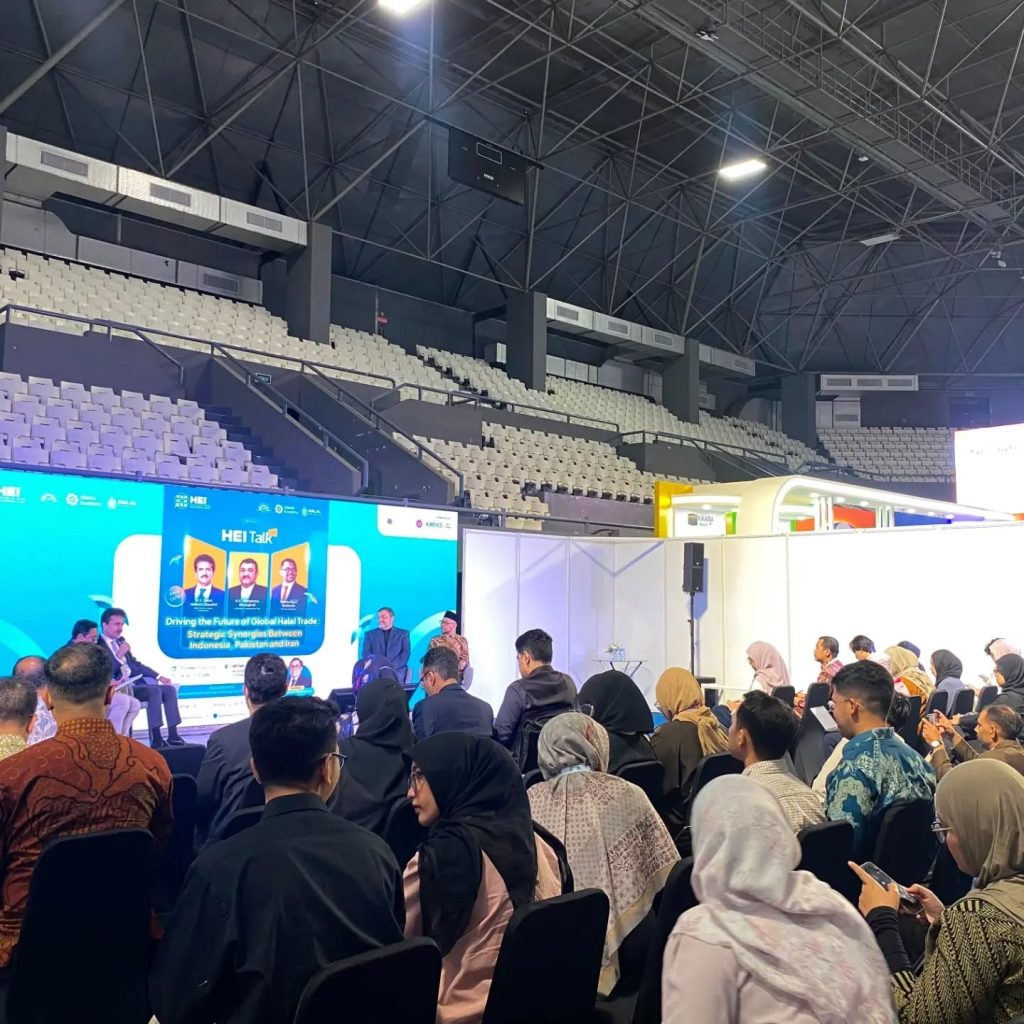
]]>Speaking as a featured panelist during the D-8 Halal Expo Indonesia, Pakistan’s Ambassador to Indonesia, H.E. Zahid Hafeez Chaudhri, highlighted the enormous commercial potential of the international halal market, emphasizing that Pakistan is rapidly transforming into an emerging hub for halal manufacturing, agriculture, food processing, pharmaceuticals, Islamic finance, and value-added exports.
“The global halal economy has evolved into one of the fastest-growing sectors of international commerce, creating unprecedented opportunities for investment, innovation, and cross-border partnerships,” the Ambassador said.
He stressed that Pakistan offers significant untapped potential for international investors seeking access to expanding halal markets across South Asia, the Middle East, Central Asia, Africa, and beyond.
A US$7 Trillion Opportunity
The halal economy has grown far beyond its traditional association with food products.
Today, it encompasses an integrated economic ecosystem covering:
- Halal food and beverages
- Pharmaceuticals
- Cosmetics and personal care
- Islamic finance
- Fashion and textiles
- Tourism and hospitality
- Healthcare
- Logistics and cold-chain services
- Digital commerce
- Halal certification
- Biotechnology
- Food processing technologies
With the global Muslim population expected to approach three billion by 2060, demand for halal-certified products and services is projected to continue rising across both Muslim-majority and non-Muslim markets.
Consumers increasingly associate halal certification with quality assurance, food safety, ethical production, sustainability, and supply-chain transparency, making halal products attractive well beyond Islamic markets.
Pakistan’s Emerging Role in the Global Halal Industry
Ambassador Zahid Hafeez Chaudhri emphasized that Pakistan possesses many of the ingredients necessary to become a leading halal production and export hub.
Pakistan enjoys several strategic advantages:
- One of the world’s largest livestock populations
- A strong agricultural base
- Competitive food-processing industries
- Globally recognized pharmaceutical manufacturing
- Modern textile and leather sectors
- Expanding information technology capabilities
Strategic geographic location connecting South Asia, Central Asia, China, and the Middle East
Combined with improving halal certification systems and export-oriented industrial policies, these strengths position Pakistan to become a major supplier of halal products to international markets.
The country’s halal sector also aligns closely with national priorities of export diversification, industrial modernization, job creation, and attracting foreign direct investment.
Indonesia: The World’s Largest Halal Consumer Market
Indonesia occupies a unique position in the global halal landscape.
As the world’s largest Muslim-majority nation and Southeast Asia’s largest economy, Indonesia has developed an increasingly sophisticated halal ecosystem encompassing manufacturing, certification, Islamic finance, food processing, tourism, and digital innovation.
The Indonesian government’s commitment to becoming a global halal hub has accelerated investment in halal industrial parks, research institutions, certification infrastructure, and export promotion.
Its vast domestic market, combined with strong ASEAN connectivity, makes Indonesia an indispensable partner for countries seeking greater participation in the halal economy.
Pakistan and Indonesia: Natural Strategic Partners
Rather than competing, Pakistan and Indonesia possess highly complementary economic strengths.
Pakistan offers abundant agricultural resources, livestock, textiles, pharmaceuticals, surgical instruments, and food-processing capacity, while Indonesia contributes advanced halal certification systems, manufacturing expertise, consumer markets, logistics networks, and strong integration with ASEAN supply chains.
Together, they can establish one of the Islamic world’s most dynamic halal partnerships.
This cooperation can create integrated halal value chains extending from farms and factories to supermarkets and international consumers.
Building South Asia-ASEAN Halal Value Chains
During the D-8 Halal Expo Indonesia, Ambassador Chaudhri highlighted the importance of connecting South Asia with ASEAN markets through stronger commercial partnerships.
The Expo served as an important platform bringing together governments, investors, exporters, certification agencies, logistics providers, manufacturers, and technology companies.
For Pakistan, greater engagement with ASEAN represents an opportunity to diversify exports beyond traditional destinations while accessing one of the world’s fastest-growing consumer regions.
Indonesia can serve as Pakistan’s gateway into ASEAN’s more than 670 million consumers, while Pakistan provides Indonesia improved commercial access toward South Asia, Central Asia, and western China.
Expanding Bilateral Trade Through Halal Industries
Current Pakistan-Indonesia trade remains concentrated in palm oil, textiles, rice, chemicals, and manufactured goods.
The halal economy opens entirely new avenues for bilateral commerce.
Priority sectors include:
- Processed halal foods
- Meat exports
- Dairy products
- Rice and grains
- Pharmaceuticals
- Nutraceuticals
- Cosmetics
- Leather goods
- Islamic financial services
- Halal tourism
- E-commerce
These industries offer high-value export opportunities capable of significantly increasing bilateral trade over the coming decade.
Investment Opportunities
The halal economy is increasingly attracting international investors seeking stable, high-growth industries.
Pakistan offers investment opportunities in:
- Halal food processing
- Cold-chain logistics
- Agricultural technology
- Livestock development
- Pharmaceutical manufacturing
- Packaging industries
- Digital traceability systems
- Research and development
Indonesian companies can benefit from Pakistan’s competitive production costs and strategic geographic location, while Pakistani firms can leverage Indonesia’s established halal ecosystem and ASEAN market access.
Technology Driving the Halal Economy
Modern halal trade increasingly depends upon technology.
Emerging innovations include:
- Blockchain-based halal traceability
- Artificial intelligence for food quality monitoring
- Smart logistics
- Digital certification platforms
- QR-code verification systems
- E-commerce marketplaces
- Supply-chain analytics
Pakistan’s growing digital economy and Indonesia’s vibrant technology ecosystem provide fertile ground for collaborative innovation.
Joint ventures between technology companies can strengthen halal transparency and consumer confidence worldwide.

Harmonizing Halal Standards
One of the biggest challenges facing global halal commerce is the lack of harmonized certification standards.
Pakistan and Indonesia can play a leadership role by promoting:
- Mutual recognition of halal certificates
- Standardized regulatory frameworks
- Scientific testing laboratories
- Joint accreditation mechanisms
- Training programs for halal auditors
Greater standardization would reduce trade barriers while increasing international market confidence.
D-8: A Platform for Collective Leadership
The D-8 Organization for Economic Cooperation brings together eight major Muslim-majority developing economies whose combined population exceeds one billion people.
The D-8 Halal Expo demonstrates how member countries can collaborate to expand intra-D-8 trade, strengthen industrial partnerships, and develop integrated halal supply chains.
Pakistan and Indonesia, as influential D-8 members, are well positioned to lead initiatives that transform the organization into a major driver of the global halal economy.
Way Forward
To fully capitalize on the opportunities presented by the US$7 trillion halal economy, Pakistan and Indonesia should pursue a strategic roadmap:
- Upgrade bilateral trade cooperation with dedicated halal trade facilitation mechanisms.
- Establish a Pakistan-Indonesia Halal Business Council connecting exporters, investors, certification bodies, and chambers of commerce.
- Promote joint investment in halal industrial parks and food-processing zones.
- Develop integrated South Asia-ASEAN halal logistics corridors.
- Harmonize halal certification standards and pursue mutual recognition agreements.
- Encourage university partnerships focused on halal science, food technology, biotechnology, and Islamic economics.
- Expand cooperation in digital commerce, fintech, and blockchain-enabled halal supply chains.
- Organize annual Pakistan-Indonesia Halal Investment Forums under the D-8 framework.
- Launch joint branding initiatives to promote halal products in the Middle East, Africa, Europe, and Central Asia.
Conclusion
The global halal economy has evolved into a strategic engine of international trade, innovation, and sustainable development. Valued at more than US$7 trillion, it offers unprecedented opportunities for countries capable of building integrated production networks, trusted certification systems, and resilient supply chains.
The participation of Pakistan’s Ambassador, H.E. Zahid Hafeez Chaudhri, at the D-8 Halal Expo Indonesia reflects Islamabad’s determination to position Pakistan as an emerging halal production and investment hub. Equally, Indonesia’s globally recognized halal ecosystem and leadership within ASEAN make it an indispensable partner for realizing this vision.
By combining Pakistan’s agricultural strength, industrial capacity, and strategic location with Indonesia’s advanced halal infrastructure, large consumer market, and regional influence, the two nations can create a powerful South Asia–ASEAN halal corridor. Such a partnership would not only expand bilateral trade and attract investment but also strengthen food security, technological innovation, and economic resilience across the Islamic world.
As global demand for halal products and services continues to rise, Pakistan and Indonesia have a historic opportunity to move beyond traditional trade relations and jointly shape the future of the international halal economy—transforming shared values into shared prosperity.
]]>Pakistan brings together around 180 delegates representing nearly 160 Chinese pharmaceutical and healthcare companies.
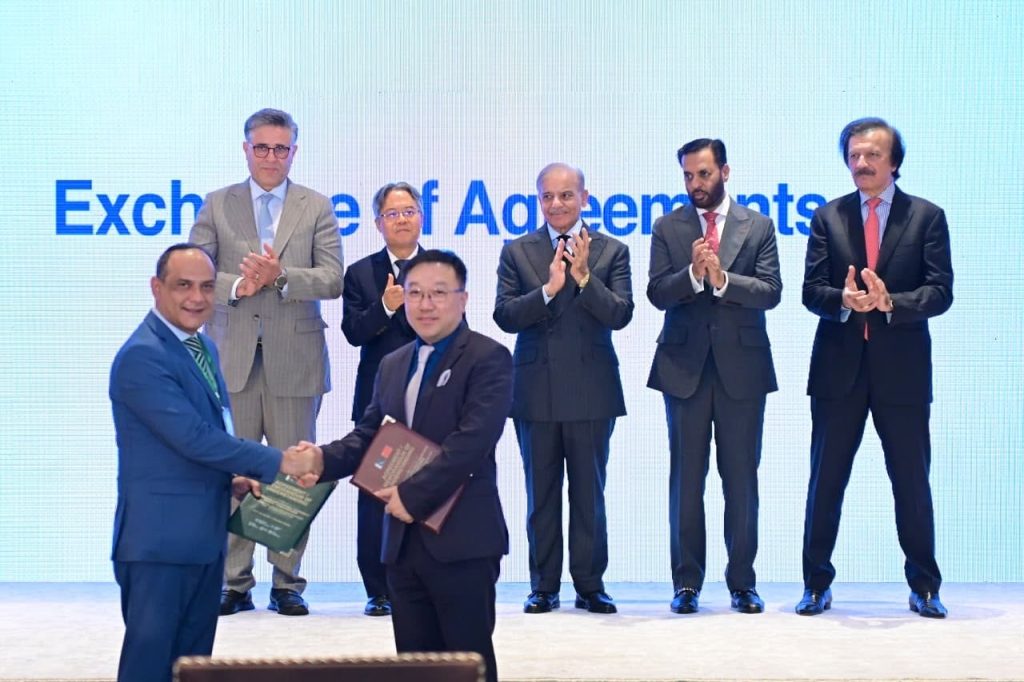
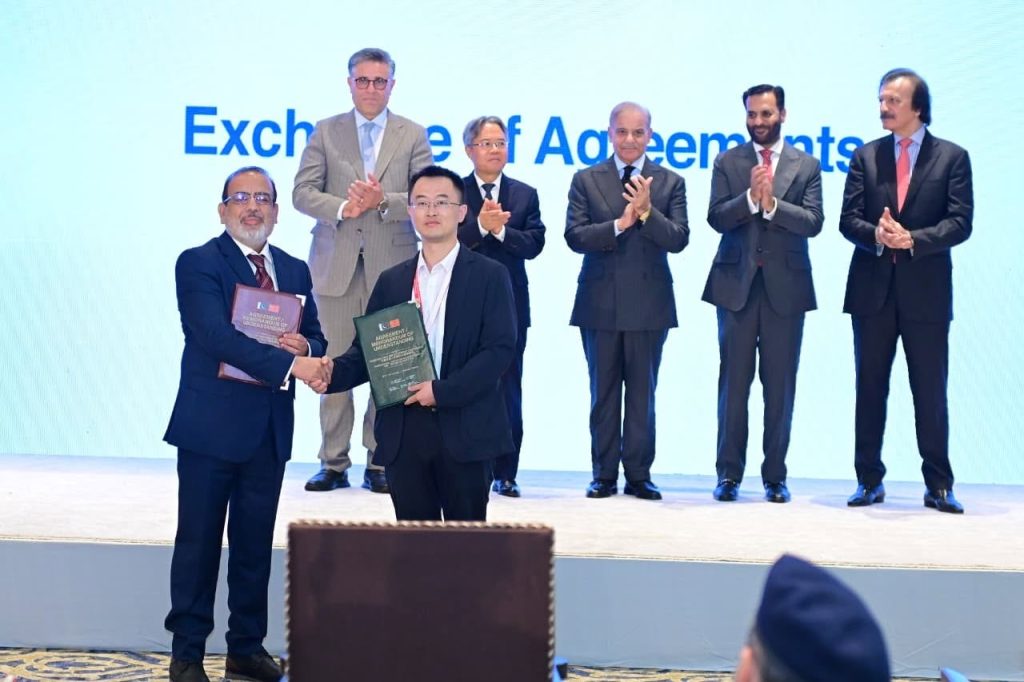
ISLAMABAD: Pakistan and China have opened a new chapter in their strategic partnership as the Pakistan–China Pharmaceutical & Healthcare B2B Investment Conference 2026 concluded in Islamabad with landmark investment commitments, business agreements, and a shared vision to transform Pakistan into a regional pharmaceutical and healthcare manufacturing hub.
The conference marked one of the largest bilateral healthcare investment events ever held between the two countries, bringing together around 180 delegates representing nearly 160 Chinese pharmaceutical and healthcare companies alongside more than 340 Pakistani enterprises from the pharmaceutical, biotechnology, medical devices, diagnostics, and healthcare sectors.
The event concluded with 16 commercial agreements, approximately 80 Memorandums of Understanding (MoUs), and investment commitments valued at around US$850 million, signaling growing confidence among Chinese investors in Pakistan’s healthcare industry and highlighting healthcare as a strategic pillar of China–Pakistan Economic Corridor (CPEC) Phase II.
A New Phase of Pakistan–China Cooperation
For more than a decade, CPEC has transformed Pakistan’s infrastructure through highways, energy projects, Gwadar Port development, and industrial connectivity. The outcomes of the 2026 Pharmaceutical & Healthcare B2B Investment Conference demonstrate that bilateral cooperation is now entering a more knowledge-intensive and technology-driven phase.
Pakistani participants included pharmaceutical manufacturers, biotechnology companies, hospitals, research institutions, investors, exporters, distributors, and healthcare innovators.
The extensive participation reflected growing confidence in Pakistan’s pharmaceutical sector and its long-term investment potential.
Key Outcomes of the Conference
Among the most significant achievements were:
• 16 commercial agreements signed
• Around 80 MoUs concluded
• Approximately US$850 million in expected investment
• New pharmaceutical manufacturing partnerships
• API production projects
• Vaccine manufacturing cooperation
• Medical device production initiatives
• Joint biotechnology ventures
• Research collaborations
• Technology transfer agreements
• Market access cooperation
• Export partnerships
Industry representatives indicated that several investment projects could begin implementation within the next two years, subject to regulatory approvals.
Healthcare: The New Frontier of CPEC 2.0
The conference clearly demonstrated that healthcare is becoming one of the defining sectors of CPEC Phase II.
While the first phase of CPEC concentrated on physical infrastructure, the second phase emphasizes industrial cooperation, innovation, advanced manufacturing, agriculture, digital economy, green development, and healthcare.
Healthcare cooperation under CPEC 2.0 is expected to include:
• Local pharmaceutical manufacturing
• API localization
• Vaccine production
• Biotechnology research
• Medical device manufacturing
• AI-powered healthcare
• Telemedicine
• Smart hospitals
• Clinical research
• Regulatory cooperation
• Human resource development
• Pharmaceutical exports
Together, these initiatives align with China’s broader vision of the Health Silk Road, which promotes international collaboration in public health, medical innovation, and healthcare resilience.
Why API Manufacturing Matters
Pakistan currently produces the majority of its finished medicines domestically but remains heavily dependent on imported Active Pharmaceutical Ingredients (APIs).
This dependence increases production costs and exposes the healthcare sector to global supply-chain disruptions.
Chinese investment in API manufacturing can help:
• Reduce import dependence
• Improve medicine affordability
• Enhance pharmaceutical security
• Strengthen industrial competitiveness
• Increase export capacity
• Create skilled employment
Localization of API production is widely regarded as one of Pakistan’s most important industrial priorities.
Technology Transfer and Innovation
Beyond investment, one of the conference’s greatest long-term benefits lies in technology transfer.
Chinese pharmaceutical companies possess advanced expertise in:
• Biotechnology
• Vaccine development
• Precision manufacturing
• Pharmaceutical automation
• Quality assurance
• Medical equipment
• AI-assisted drug discovery
• Digital health systems
Partnerships with Pakistani companies can accelerate modernization of the country’s pharmaceutical industry while enhancing international competitiveness.
Opportunities for Pakistani Companies
The conference created significant opportunities for Pakistani businesses.
Potential benefits include:
• Joint ventures with Chinese manufacturers
• Access to modern production technologies
• Entry into Chinese markets
• Export diversification
• Research collaboration
• Workforce training
• Improved regulatory compliance
• Increased foreign direct investment
These developments can strengthen Pakistan’s pharmaceutical ecosystem while improving integration into regional value chains.
Supporting Pakistan’s Healthcare Security
The COVID-19 pandemic demonstrated the importance of resilient domestic pharmaceutical and vaccine production.
The new Pakistan–China healthcare partnership supports national health security by promoting local production of:
• Essential medicines
• Vaccines
• Diagnostic products
• Medical devices
• Emergency healthcare supplies
Greater domestic manufacturing capacity will help Pakistan respond more effectively to future public health emergencies.
Employment and Industrial Growth
Investment commitments announced during the conference are expected to generate thousands of skilled employment opportunities.
Growth areas include:
• Pharmaceutical engineering
• Biomedical sciences
• Biotechnology
• Research laboratories
• Clinical trials
• Manufacturing
• Quality assurance
• Healthcare logistics
• Medical technology
• Regulatory affairs
Gateway to Regional Markets
Pakistan’s strategic geographic location offers Chinese investors an attractive manufacturing base serving multiple regions.
Products manufactured through Pakistan–China joint ventures could potentially reach markets across:
• South Asia
• Central Asia
• West Asia
• The Middle East
• Africa
Combined with preferential trade arrangements and improving logistics infrastructure under CPEC, Pakistan could become an important regional pharmaceutical export platform.
Strengthening the Health Silk Road
Healthcare cooperation also contributes to the broader vision of the Health Silk Road, an important component of Belt and Road cooperation focused on:
• Public health collaboration
• Medical innovation
• Healthcare infrastructure
• Disease prevention
• Pharmaceutical cooperation
• Medical education
• Digital health
• Emergency preparedness
Pakistan’s growing role within this framework could position the country as a leading healthcare partner for the Global South.
Challenges Ahead
While the conference achieved significant progress, successful implementation will require continued efforts to:
• Streamline regulatory approvals.
• Improve ease of doing business.
• Strengthen intellectual property protection.
• Expand industrial infrastructure.
• Enhance pharmaceutical quality standards.
• Develop specialized human resources.
• Ensure consistent policy support.
• Facilitate financing for industrial projects.
Effective coordination between government agencies and the private sector will be essential to convert signed agreements into operational investments.
Strategic Significance
The conference represents far more than a business networking event.
It signals a strategic evolution of Pakistan–China cooperation from infrastructure-led development toward innovation-driven industrial partnerships.
Healthcare has emerged as one of the most promising sectors capable of delivering economic growth, technological advancement, healthcare resilience, export expansion, and sustainable development.
As CPEC enters its second phase, pharmaceuticals and healthcare are poised to become flagship sectors alongside digital economy, green energy, agriculture, and advanced manufacturing.
Looking Ahead
The Pakistan–China Pharmaceutical & Healthcare B2B Investment Conference 2026 has laid a strong foundation for long-term cooperation in one of the world’s fastest-growing industries.
If the announced investments are implemented successfully, Pakistan could significantly reduce dependence on imported pharmaceutical raw materials, attract advanced manufacturing technologies, expand exports, strengthen healthcare security, and create thousands of high-value jobs.
More importantly, the conference demonstrates that healthcare is becoming a new frontier of cooperation under CPEC 2.0, reflecting the evolving priorities of both nations as they work together to build resilient industries, promote innovation, and improve the well-being of their peoples.
With investment commitments, technology partnerships, research collaboration, and expanding market access, the conference may well be remembered as the moment when Pakistan and China began shaping the next generation of their strategic partnership—one centered not only on connectivity and infrastructure, but also on health, innovation, and shared prosperity.
The expansion of these industries will also encourage collaboration between universities, research institutes, and the private sector.
Healthcare, pharmaceuticals, biotechnology, vaccines, medical devices, artificial intelligence in healthcare, and biomedical research are emerging as new engines of economic cooperation.
This transition reflects both countries’ commitment to industrial modernization, supply chain resilience, innovation, and sustainable development while strengthening healthcare security across the region.
Prime Minister Shehbaz Sharif: CPEC 2.0 Expands into Healthcare
Addressing the conference, Prime Minister Shehbaz Sharif described the event as another milestone in the Pakistan–China All-Weather Strategic Cooperative Partnership and emphasized that healthcare and pharmaceutical manufacturing have become priority sectors under CPEC 2.0.
The Prime Minister welcomed the strong participation of Chinese enterprises and said the agreements signed during the conference would promote industrial cooperation, technology transfer, pharmaceutical manufacturing, vaccine production, and research partnerships.
He noted that Pakistan possesses enormous potential to become a regional center for pharmaceutical production and stressed that collaboration with Chinese companies would strengthen local manufacturing capabilities, improve healthcare services, and expand exports.
The Prime Minister also reaffirmed Pakistan’s unwavering commitment to protecting Chinese nationals working in the country, stating that their security remains a top national priority.
Chinese Ambassador Jiang Zaidong: Expanding Industrial Partnership
Chinese Ambassador Jiang Zaidong reaffirmed China’s commitment to expanding bilateral investment and industrial cooperation.
He said the Chinese Embassy would continue facilitating partnerships between enterprises from both countries and expressed confidence that business collaboration in pharmaceuticals and healthcare would inject new momentum into bilateral economic relations.
Ambassador Jiang highlighted China’s growing openness to Pakistani pharmaceutical products, noting that dozens of Pakistani medicines have already entered the Chinese market. He encouraged Pakistani manufacturers to further improve quality standards and expand exports to China and other Belt and Road partner countries.
Record Business Participation
The conference demonstrated unprecedented private-sector engagement.
Chinese companies represented sectors including:
• Pharmaceutical manufacturing
• Active Pharmaceutical Ingredients (APIs)
• Biotechnology
• Vaccines
• Medical equipment
• Hospital technologies
• Digital healthcare
• Diagnostics
• Research and development
• Healthcare logistics
During the visit, H.E. Sun Yan highlighted the new opportunities under CPEC 2.0 in industry, agriculture, and minerals, and emphasized the importance of learning Chinese for future trade and investment.
LCCI President Mr. Faheem Ur Rehman Saigol stressed the need to increase Pakistani exports to China and highlighted the potential in agriculture, IT, textiles, leather, surgical instruments, renewable energy, and electric vehicles.
Vice President Mr. Khurram Lodhi appreciated the Chinese language courses for opening new avenues in trade and joint ventures. This year marks 75 years of diplomatic relations between Pakistan and China, reflecting a partnership based on mutual respect, cooperation, and shared growth.

Ambassador Faisal Niaz Tirmizi received Pakistan’s Kyokushinkan team—comprising athletes Irfan Khan, Raza Abid, and Ali Rehman, led by coach Aslam Noor—following their success at the NATIONS CUP 2026, where they secured 2nd and 3rd place prizes.


The NATIONS CUP 2026 International Kyokushinkan Competitions were held in Moscow from February 28 to March 1, 2026, organized with the support of the Ministry of Sports of the Russian Federation.
Congratulations to the Pakistani athletes on this remarkable achievement

 to
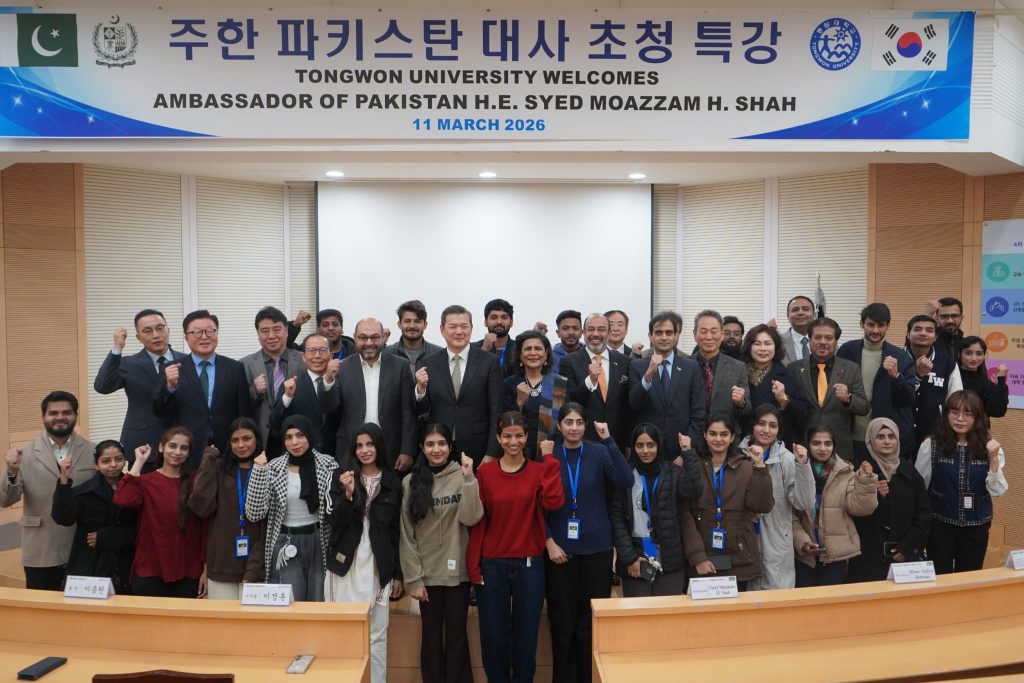
 , warmly welcomed a group of 22 Pakistani students (including 15 female students) to Tongwon University, a leading institution for skill development.
Under the Embassy led initiative to secure scholarship opportunities for Pakistani students, these students will undertake a two-year skill development program along with a one-year Korean language course at Tongwon University, further strengthening educational cooperation between Pakistan and the Republic of Korea.